Gallery
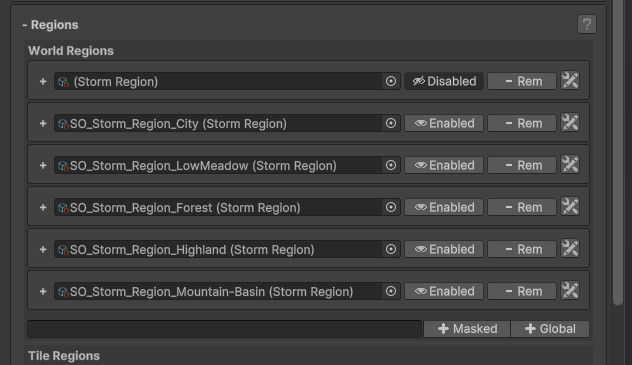
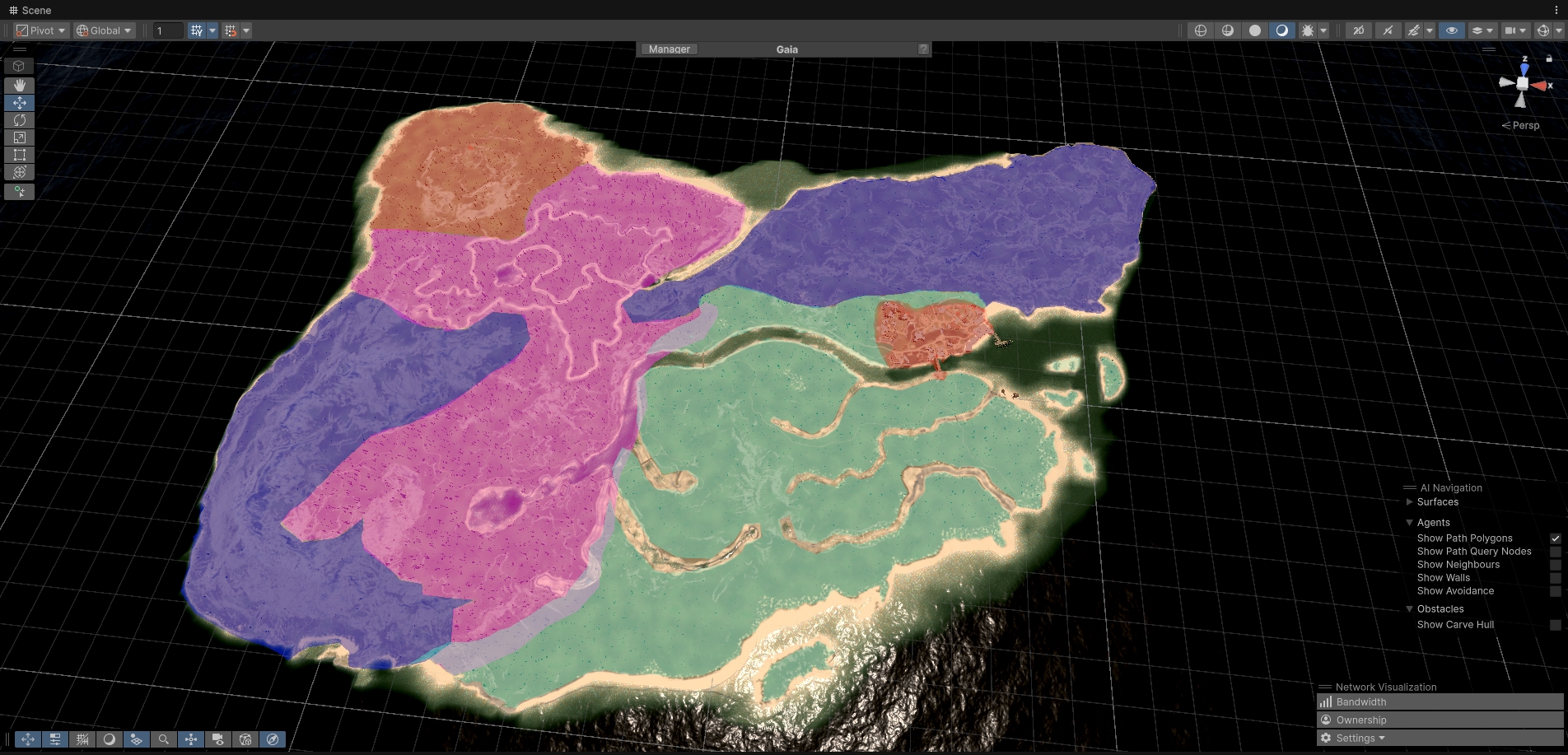
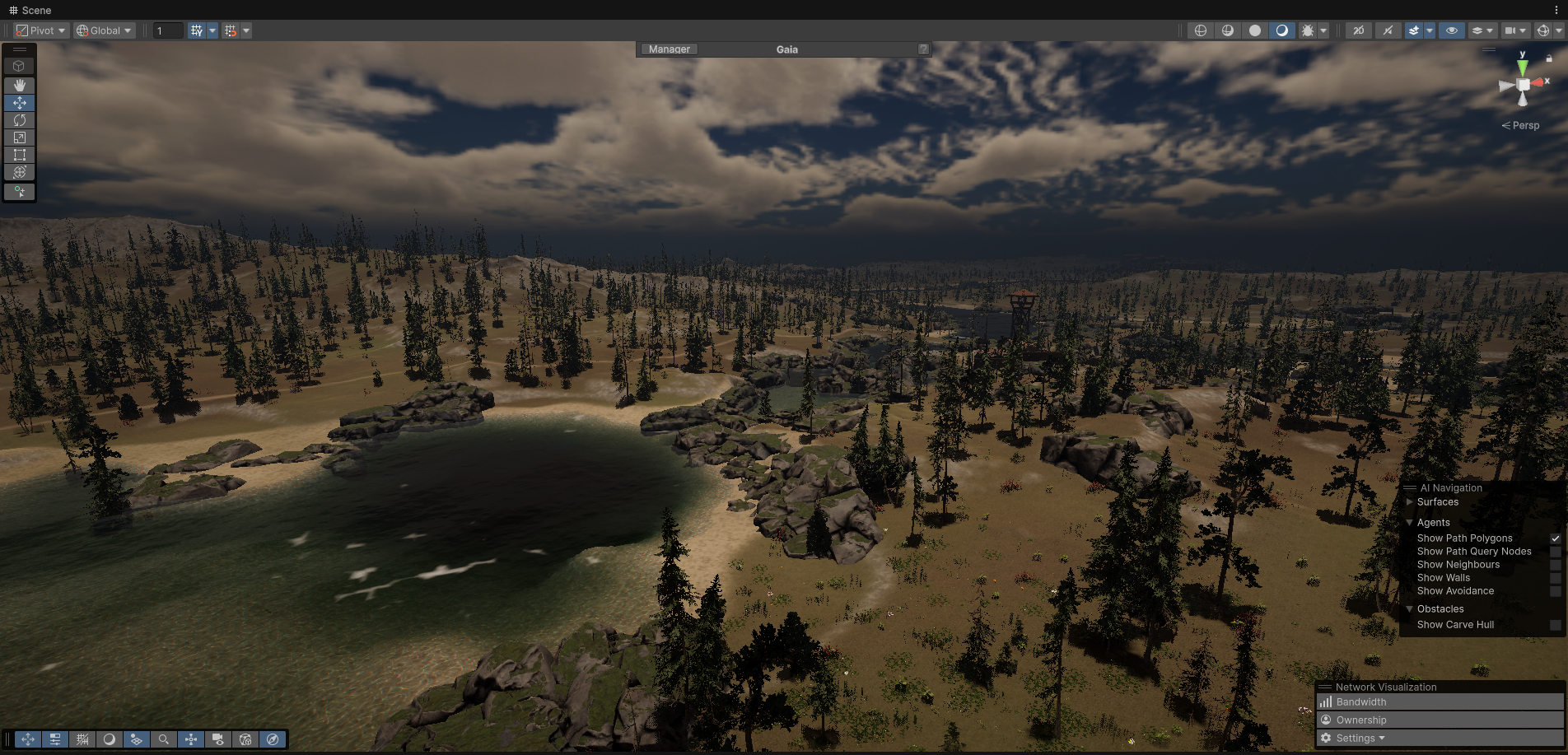
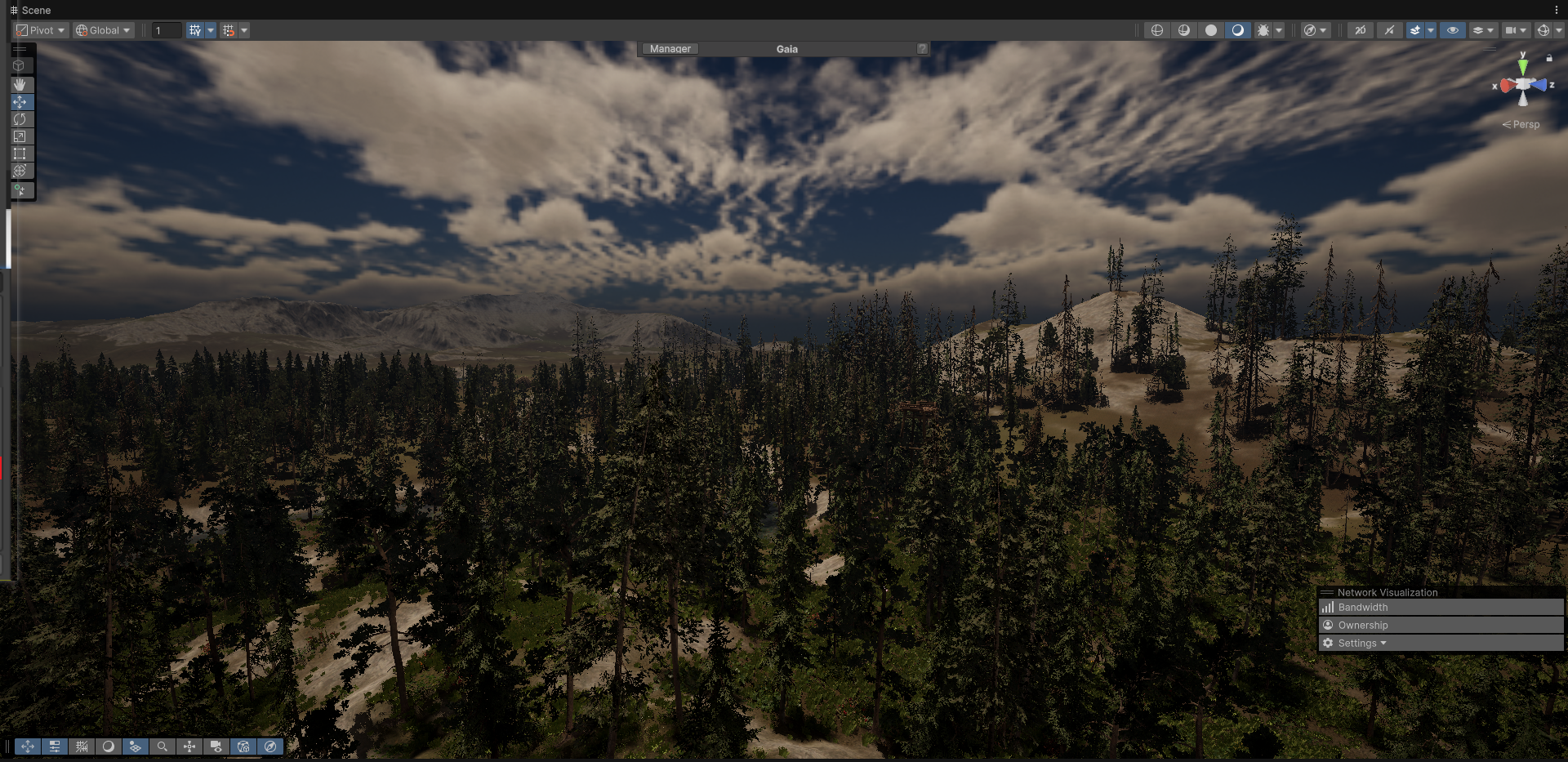

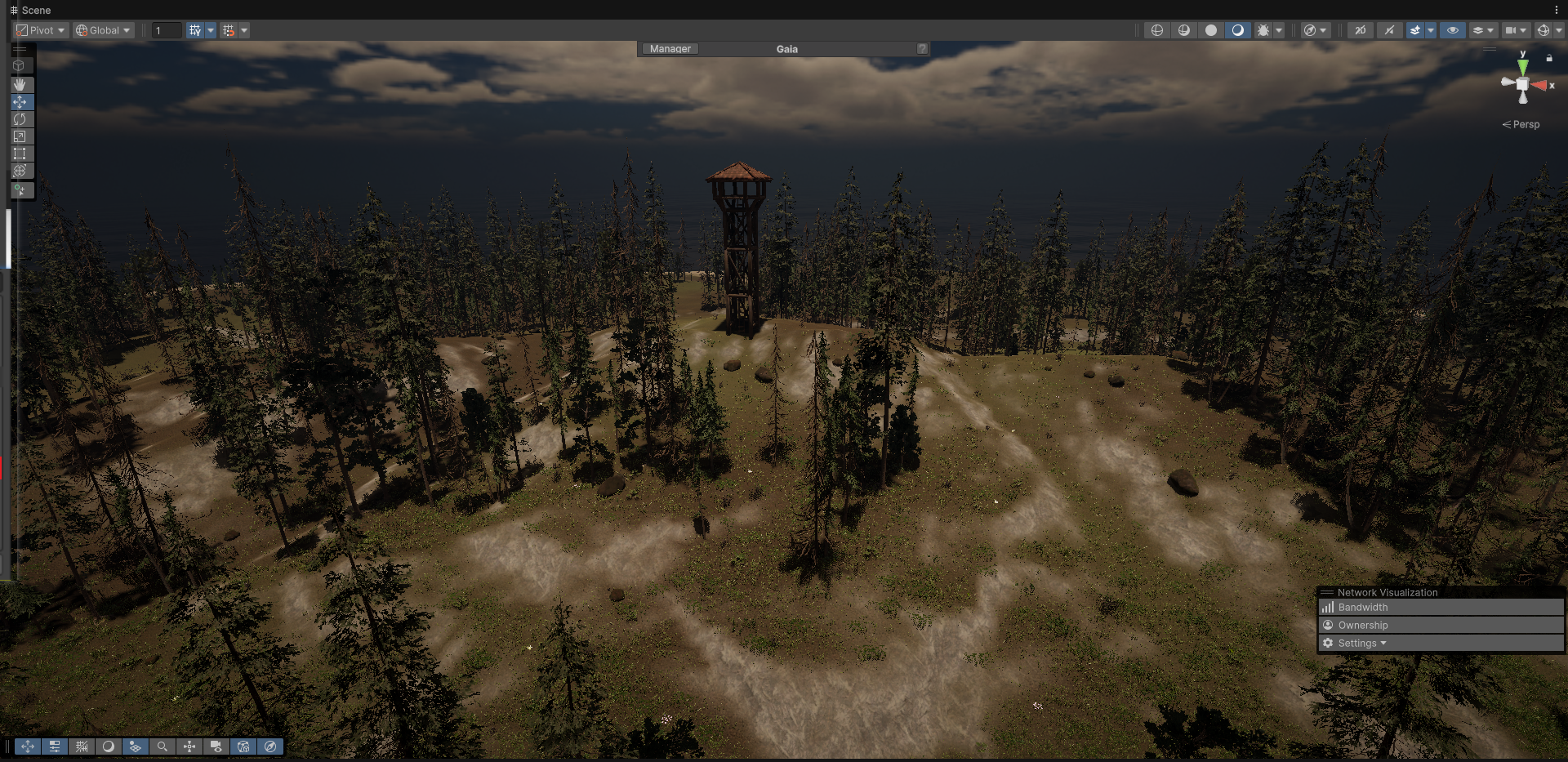

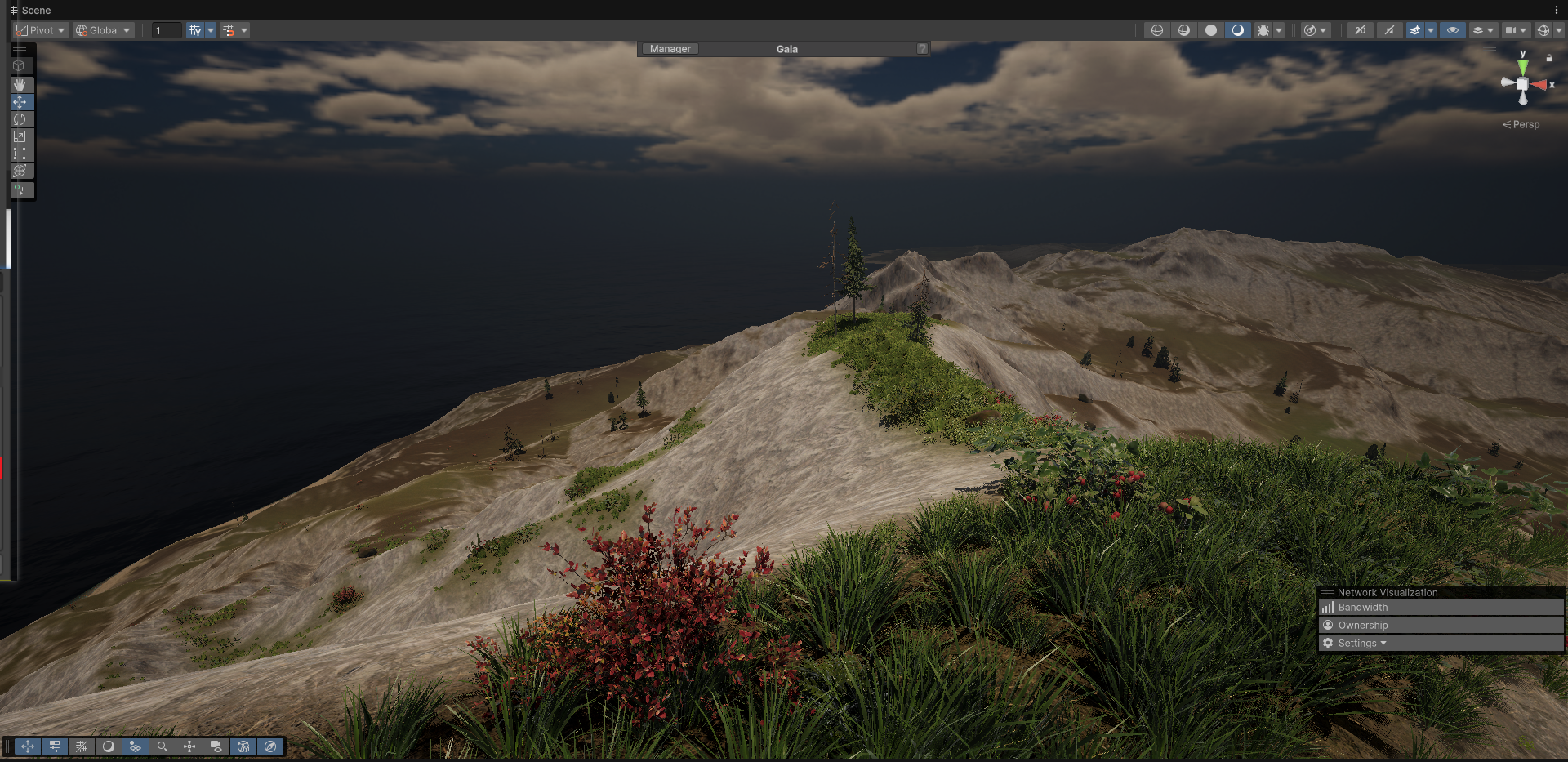
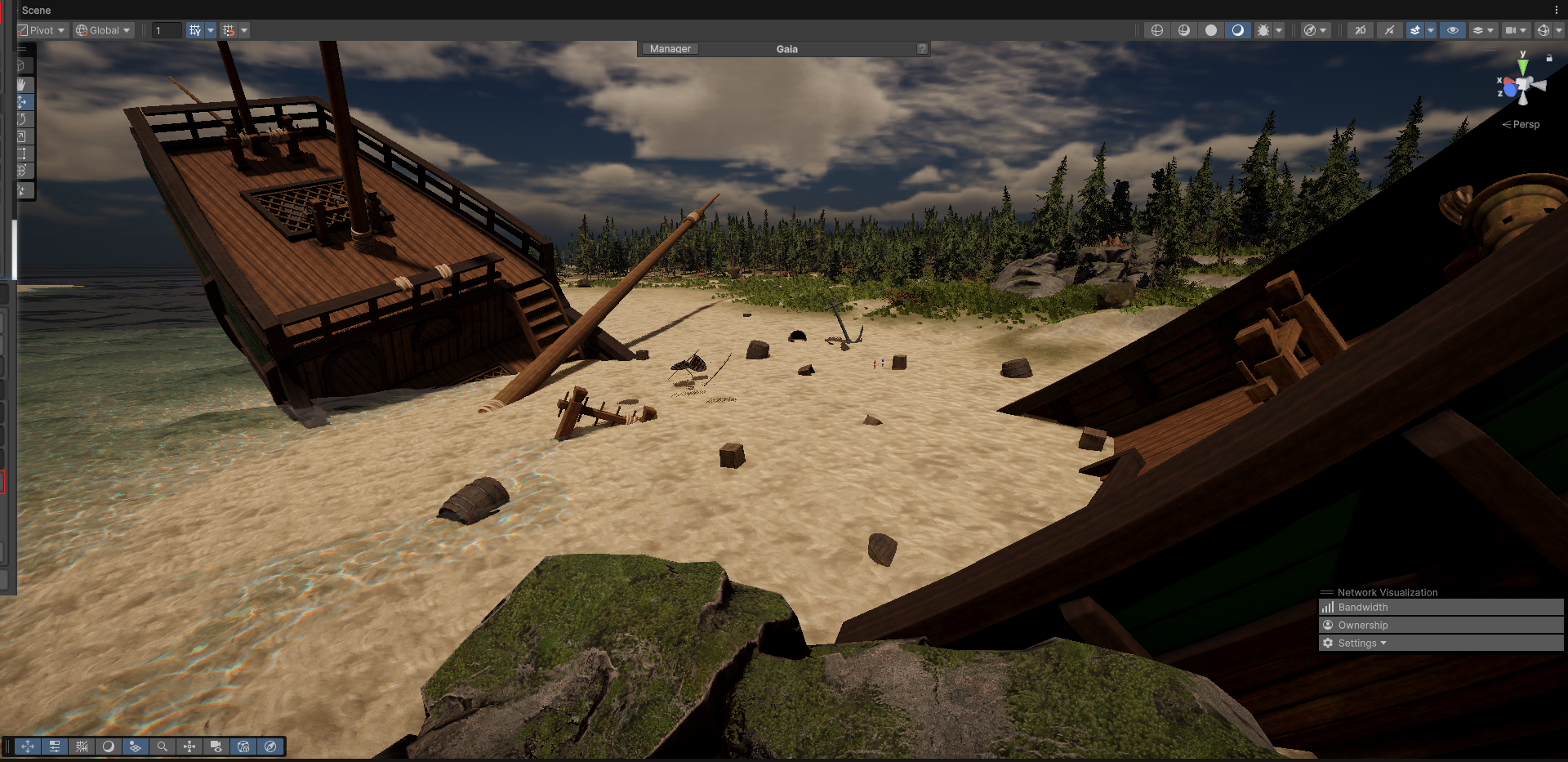
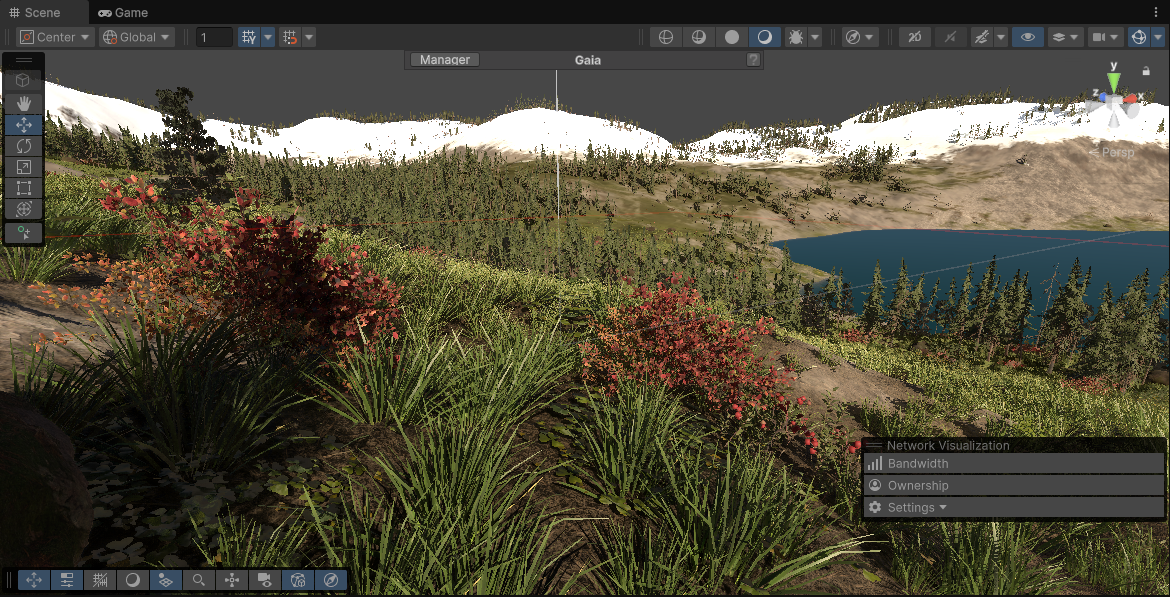
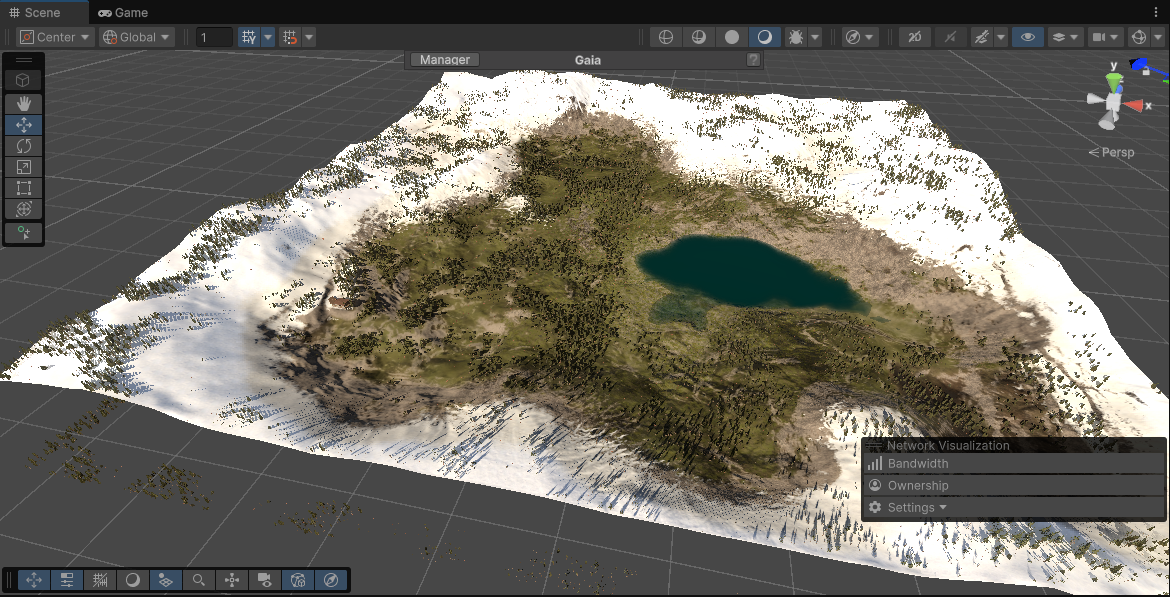
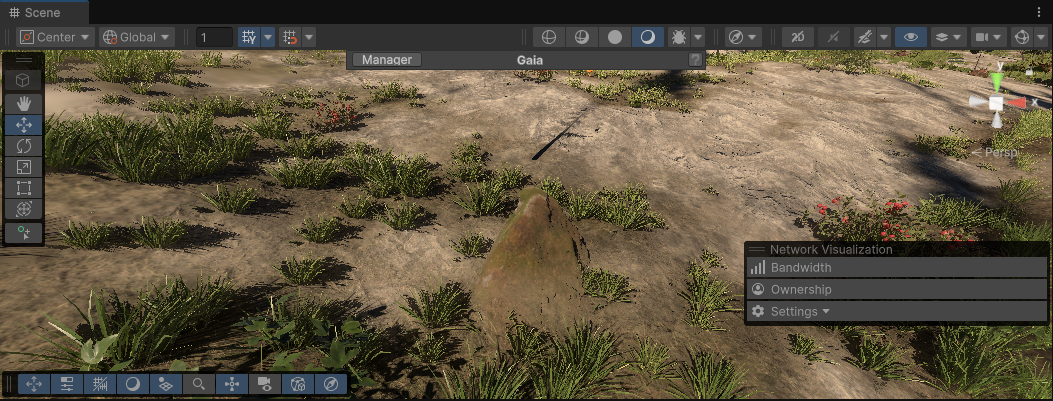
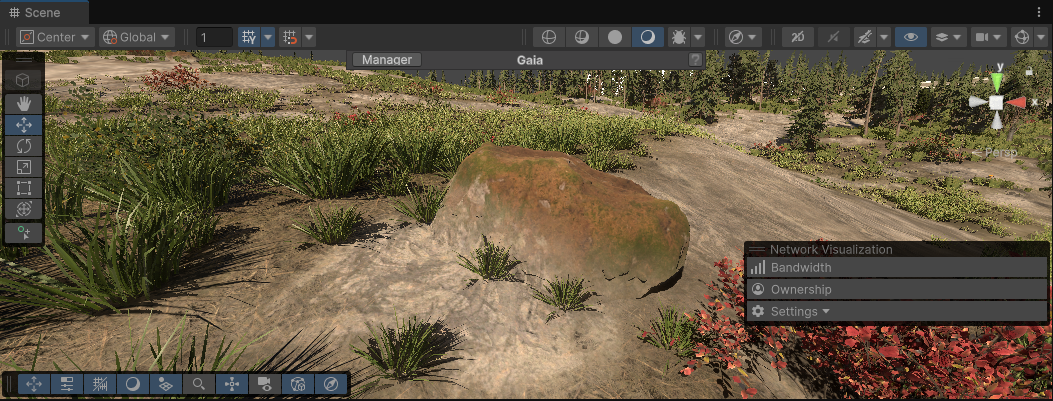
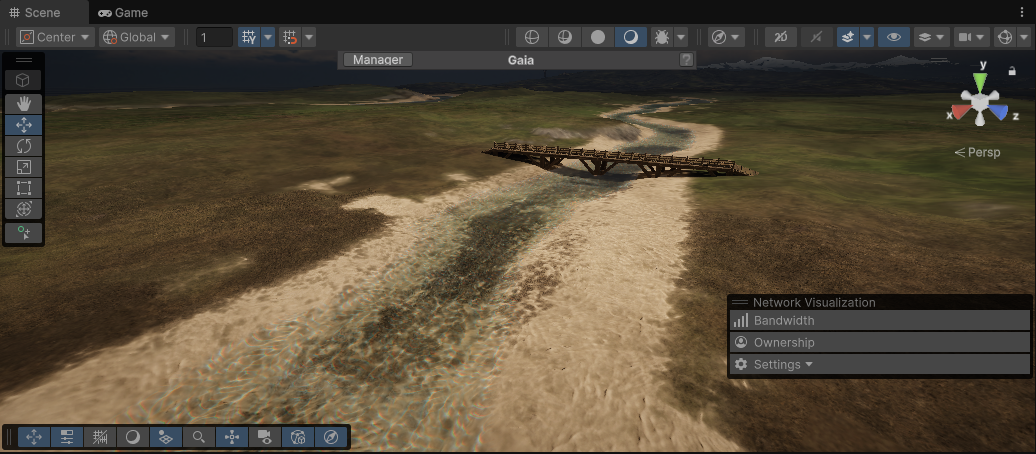
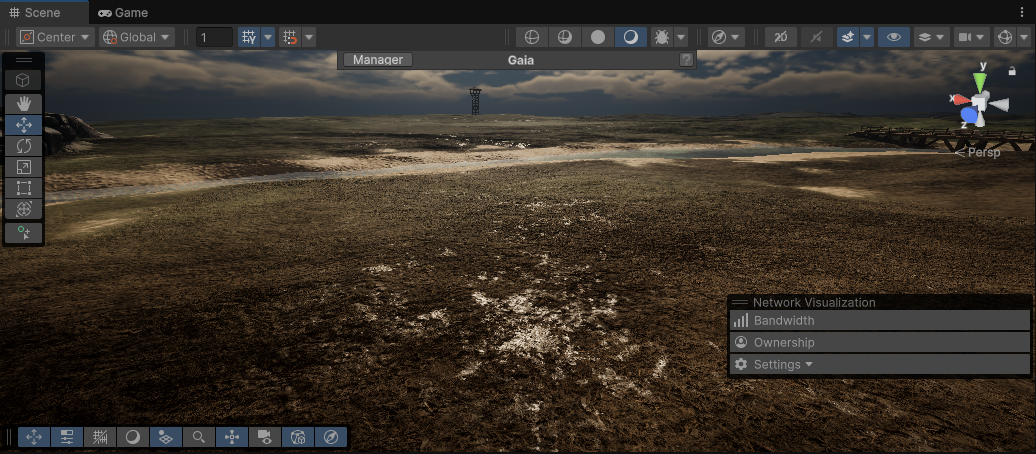
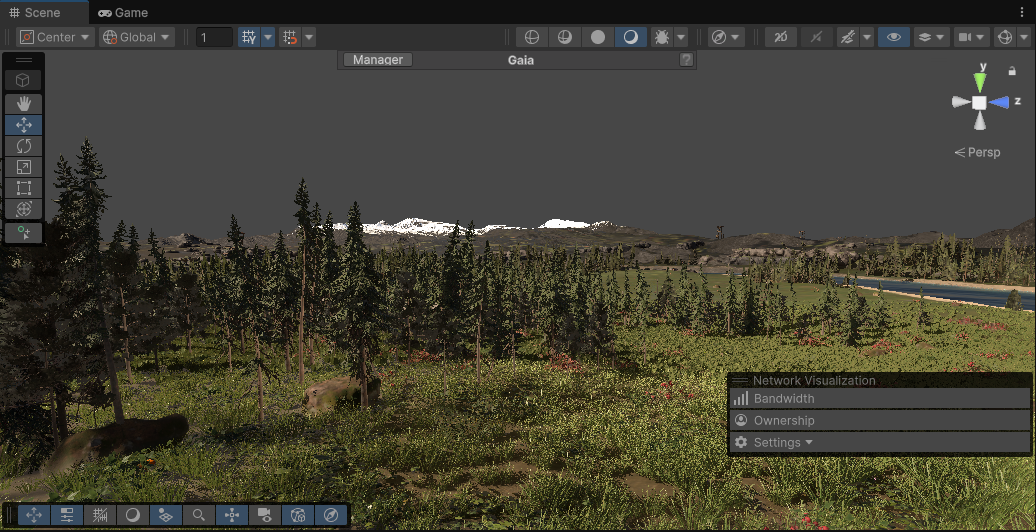
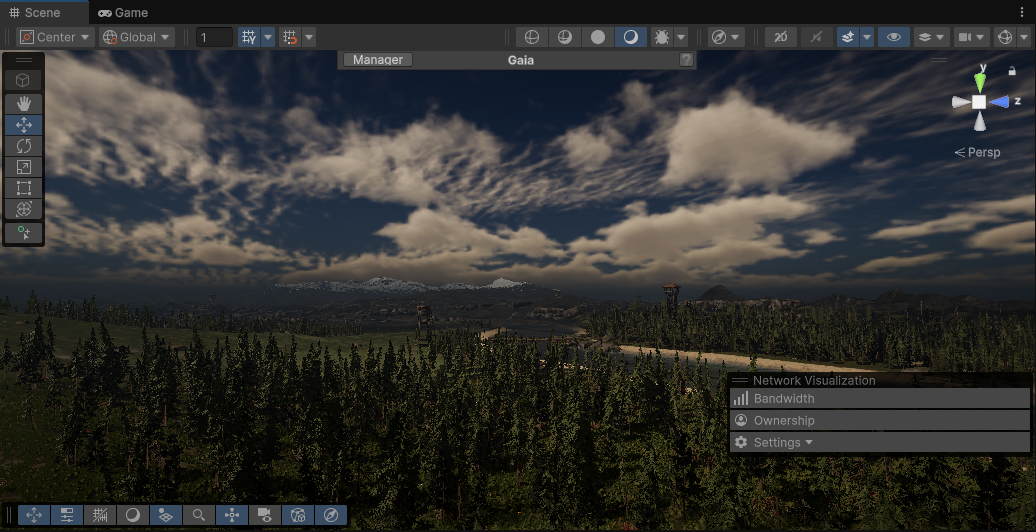
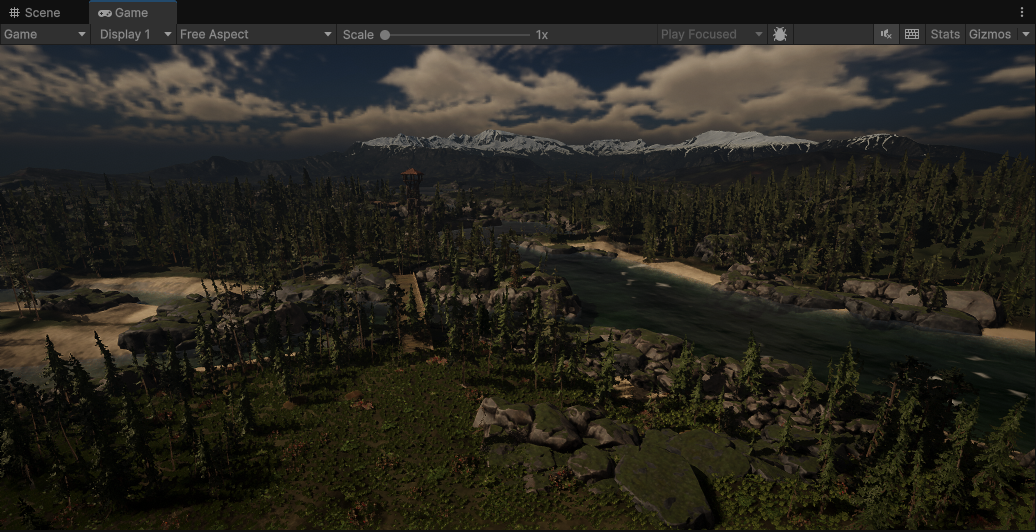
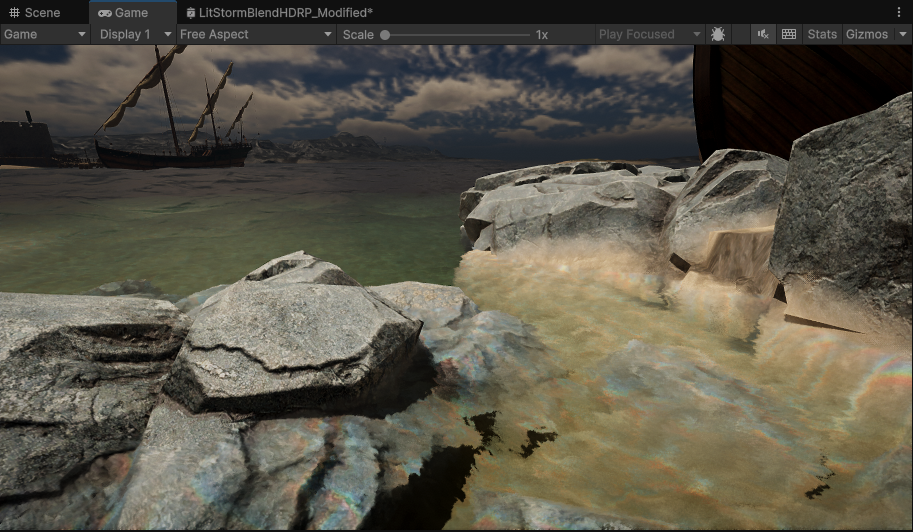
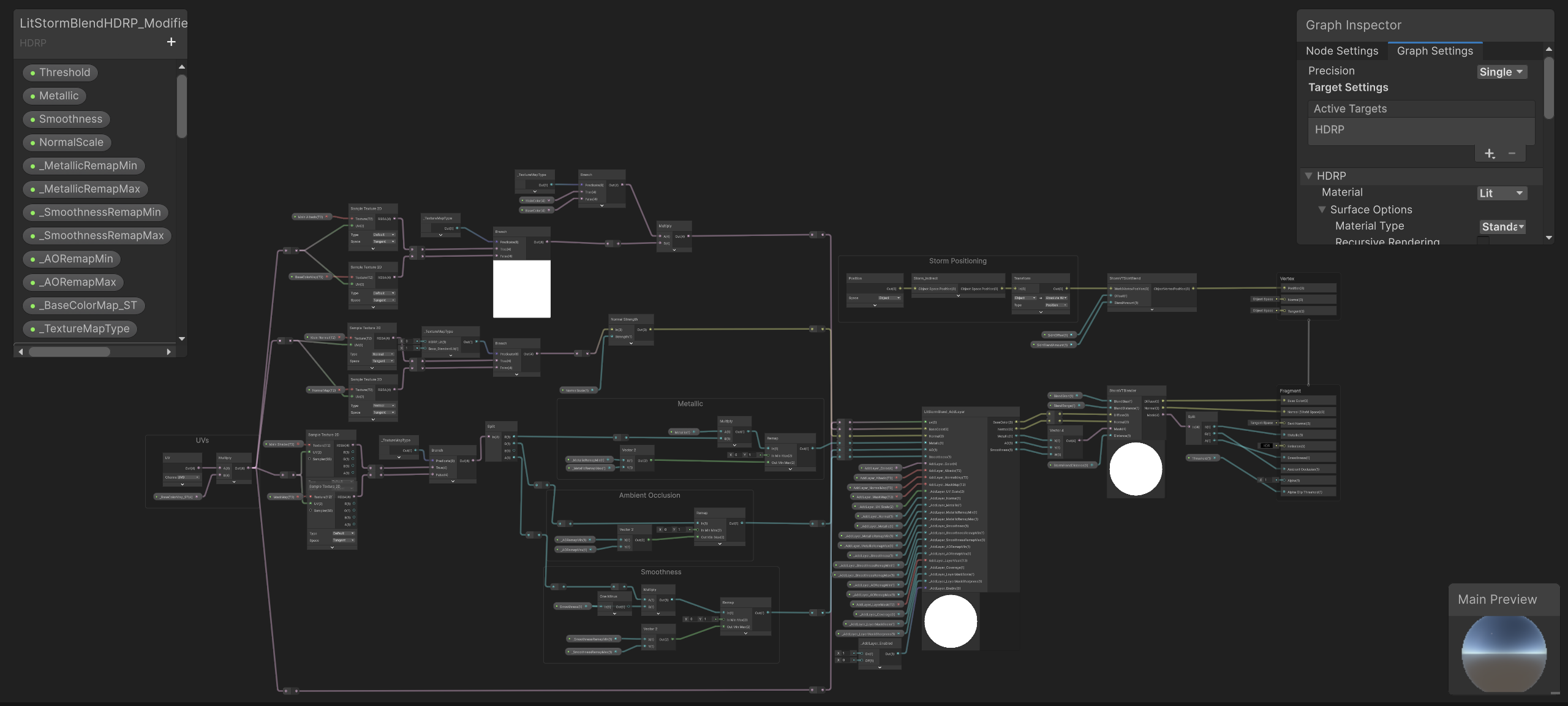
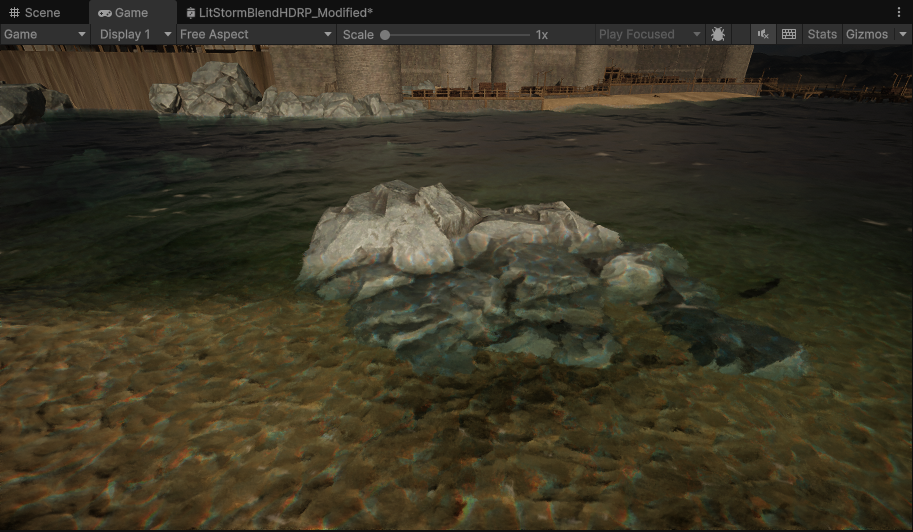
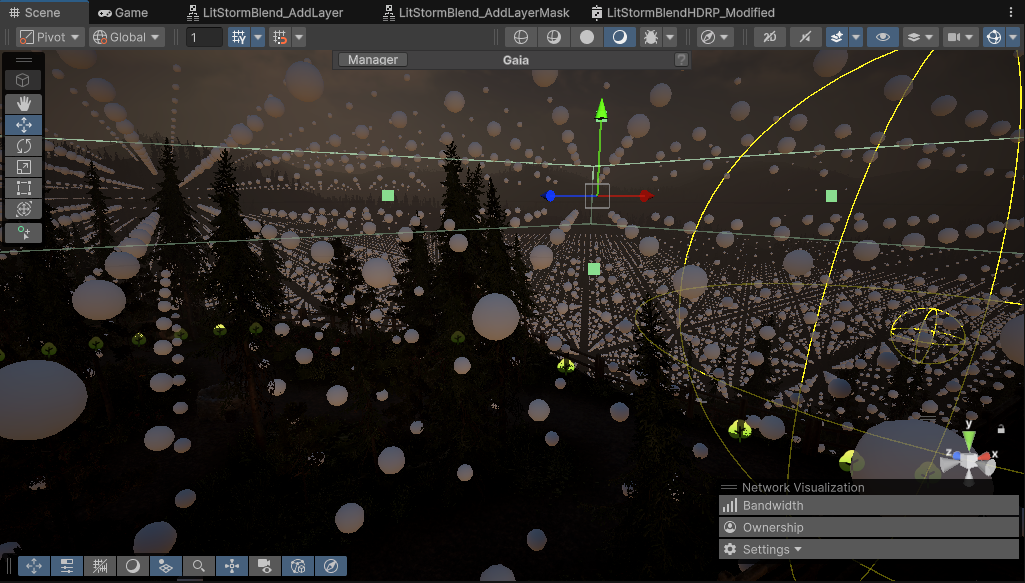
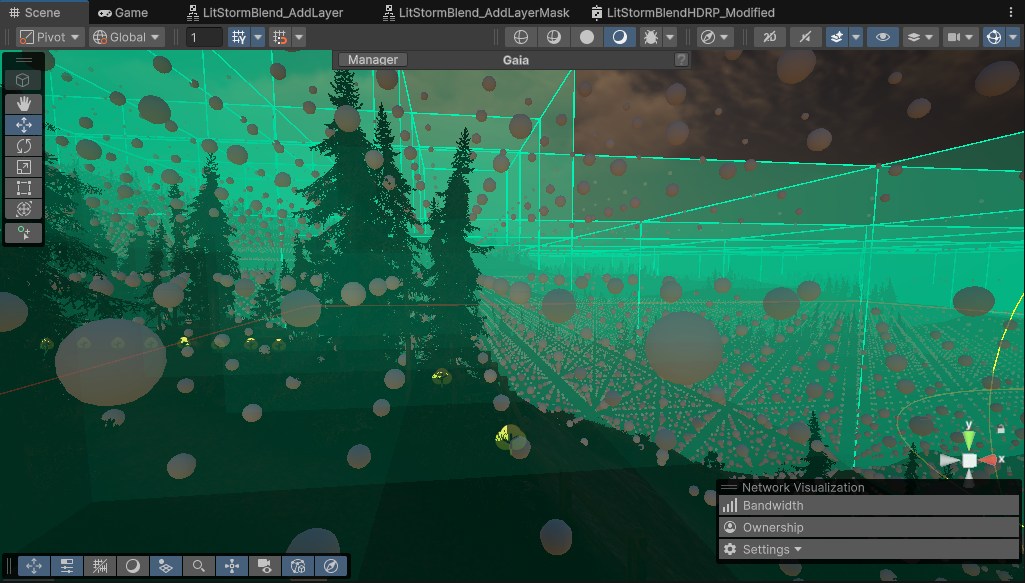
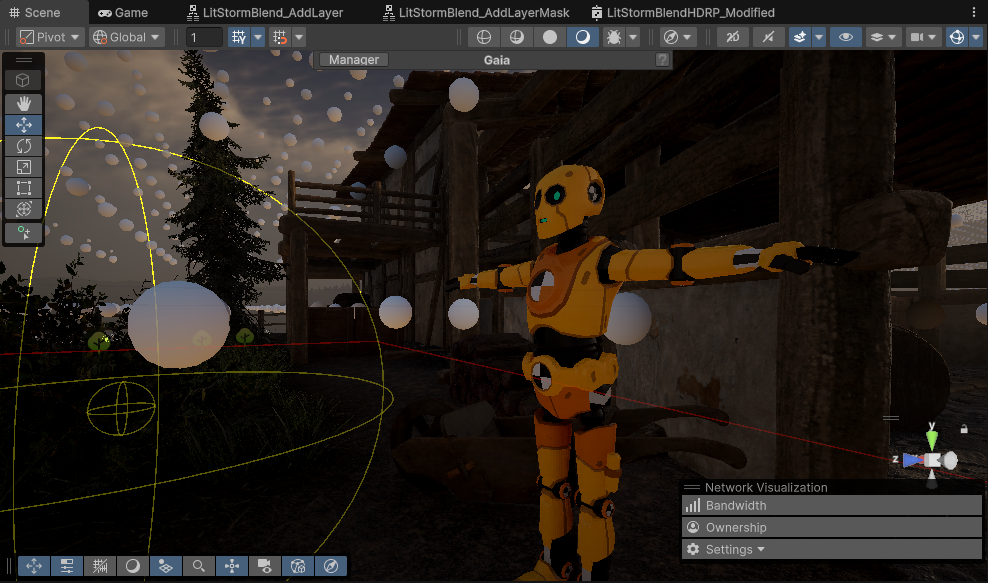
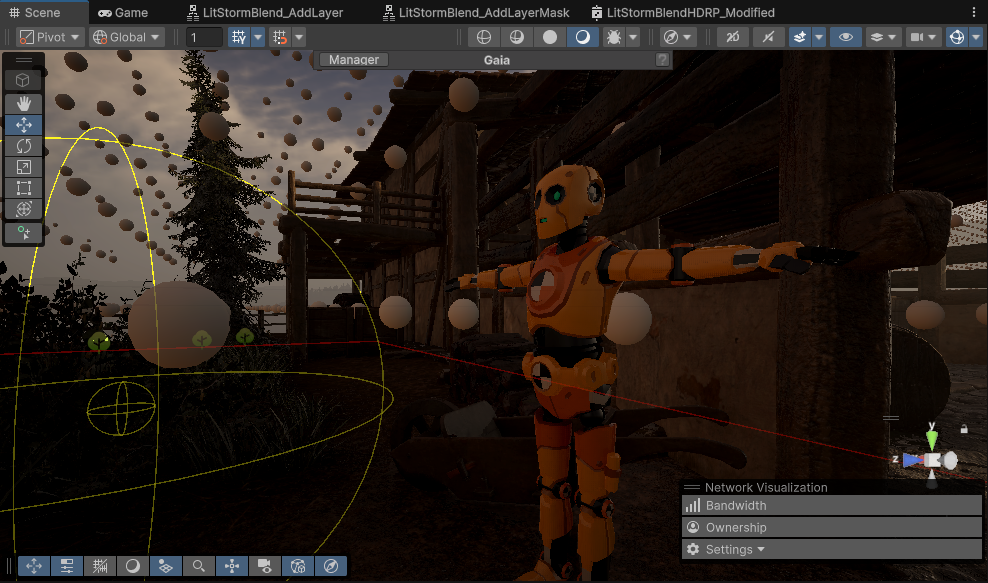
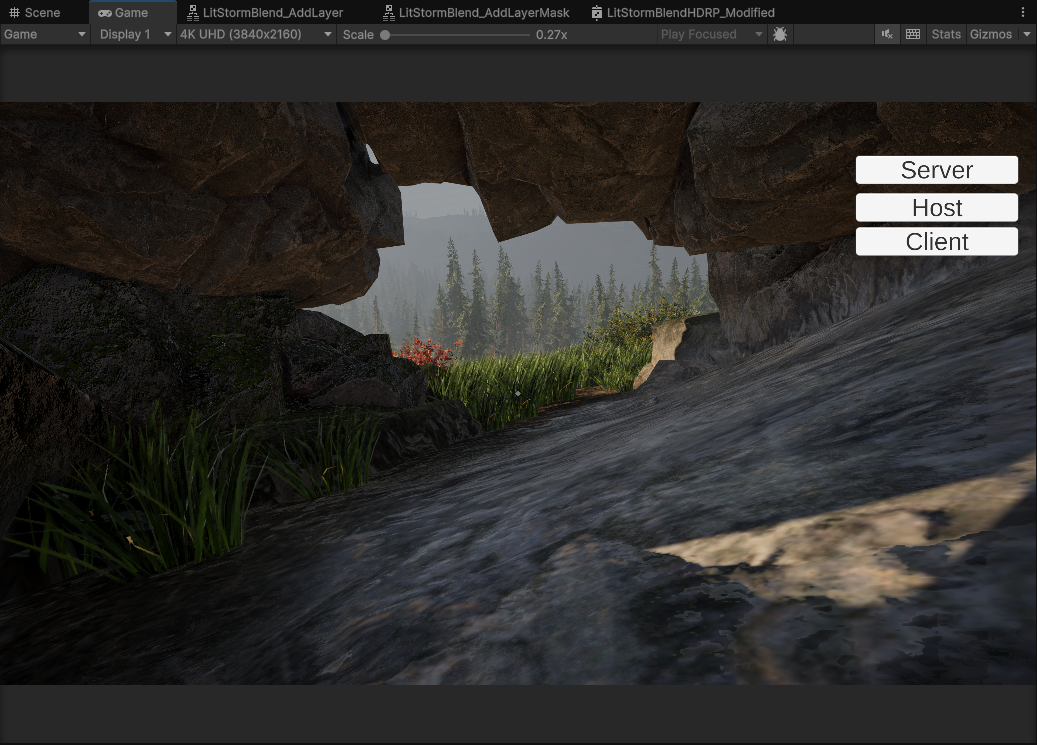

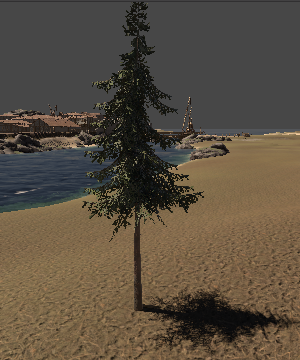
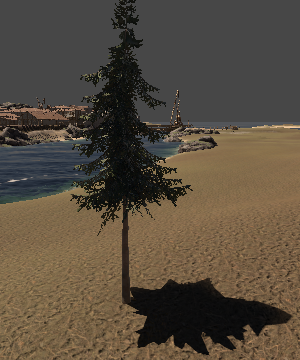
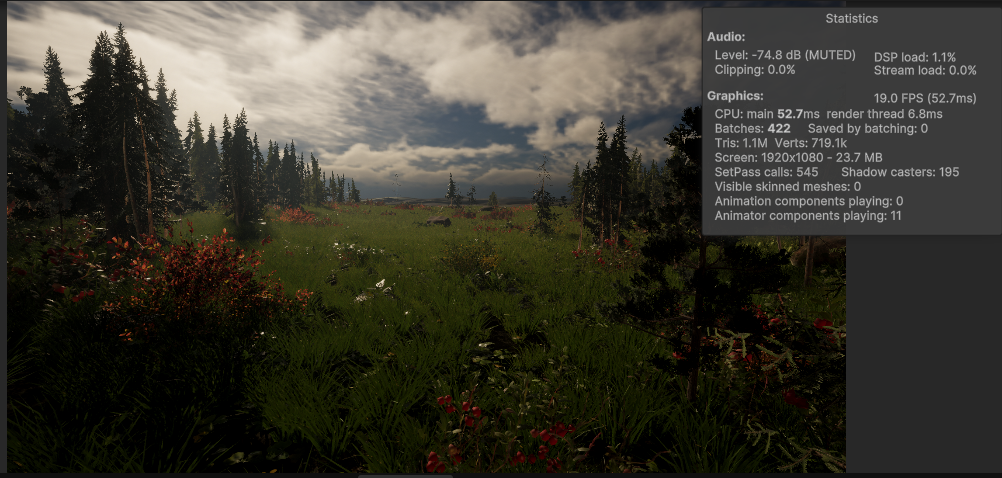
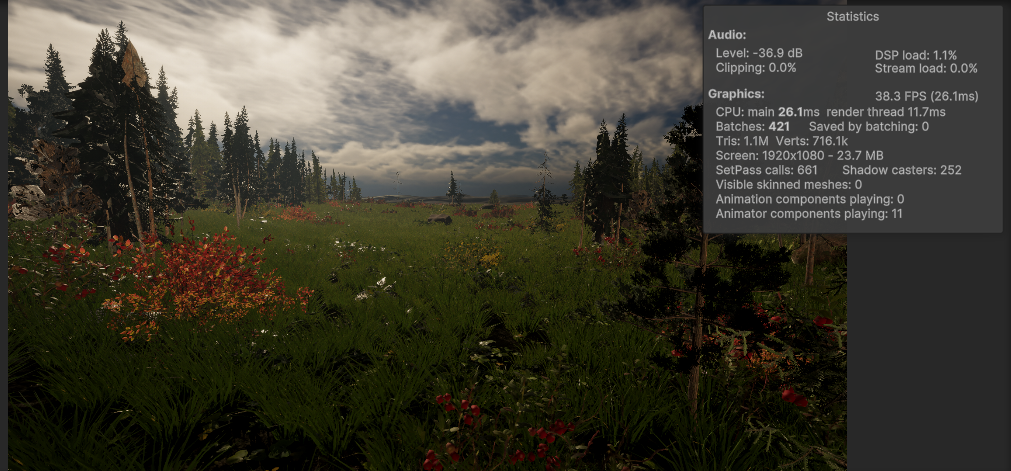
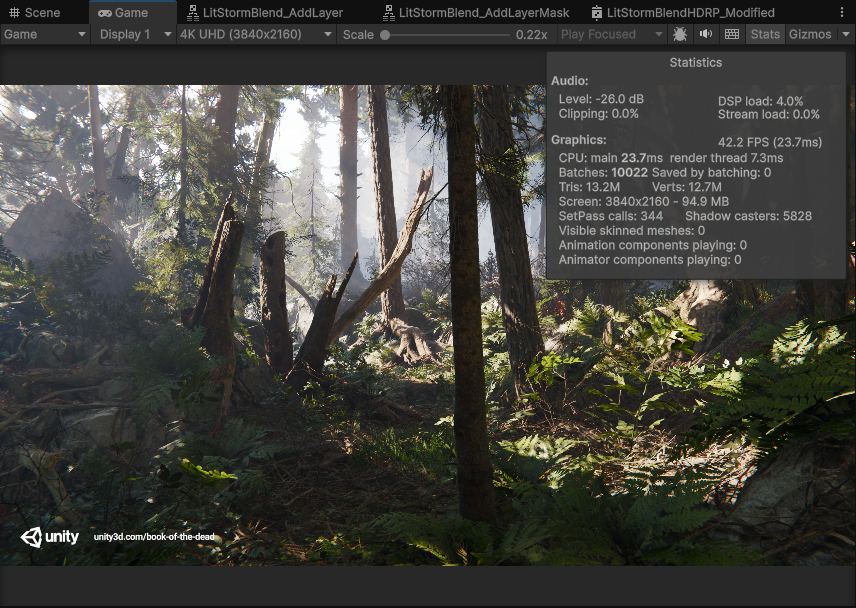
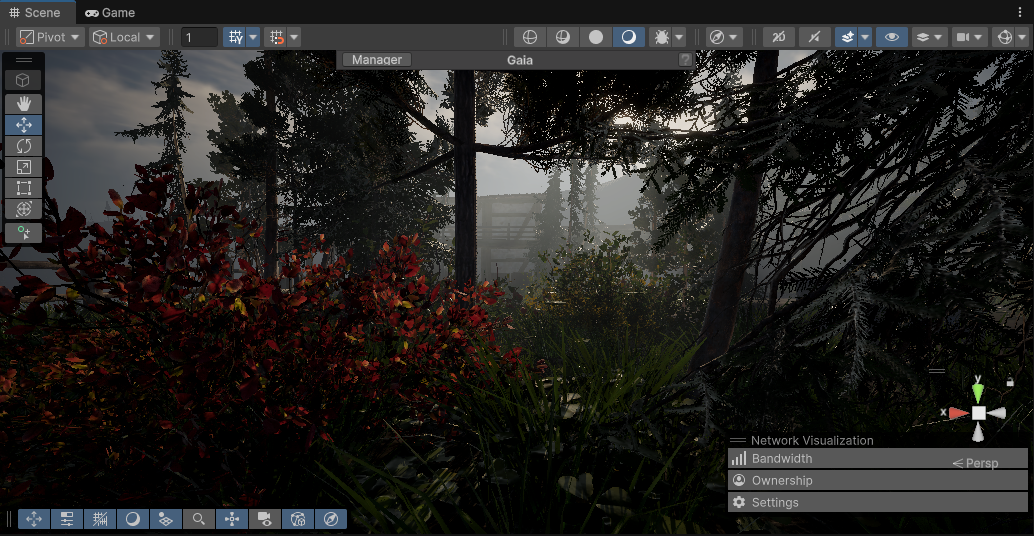


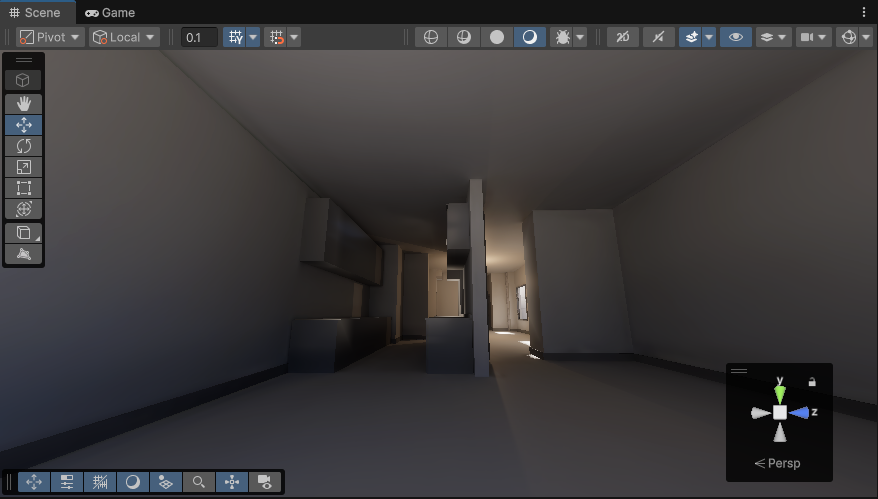
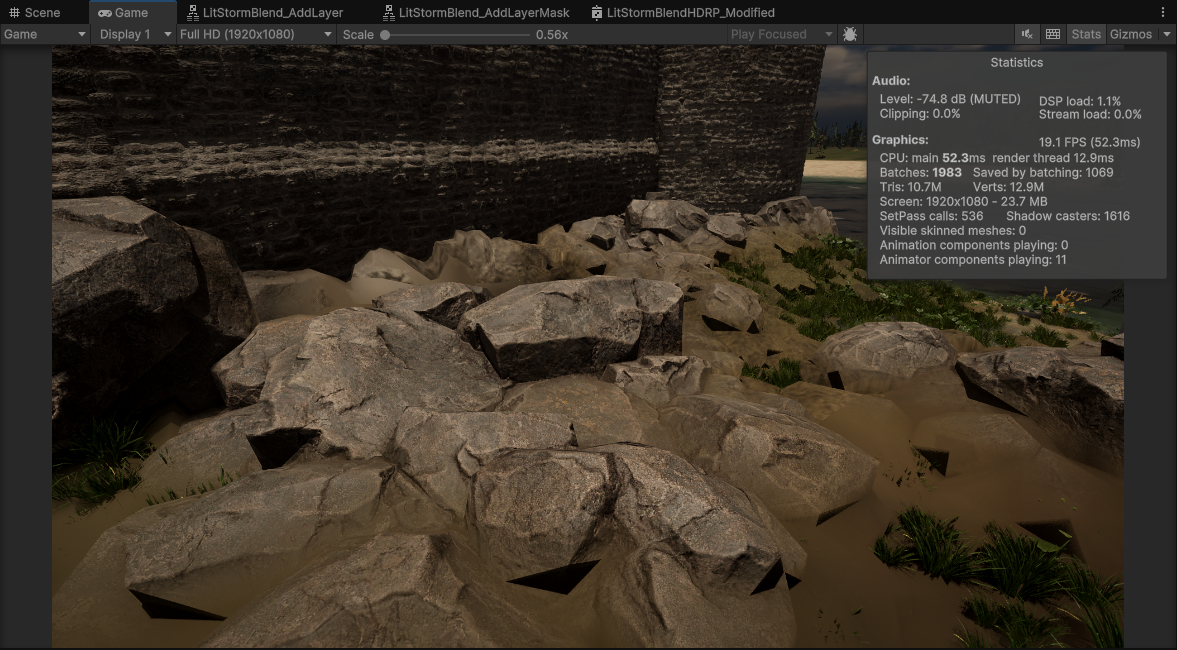


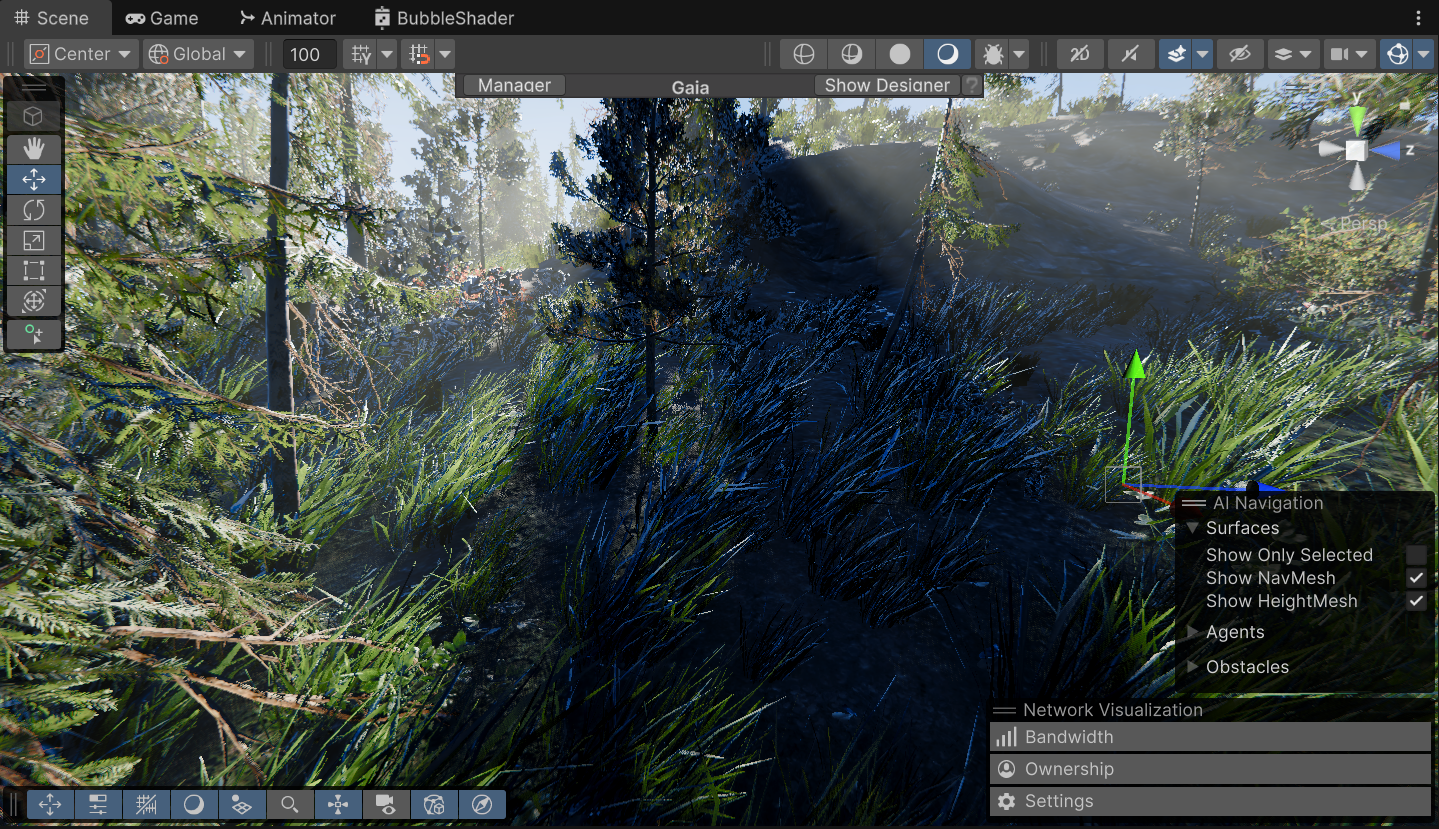
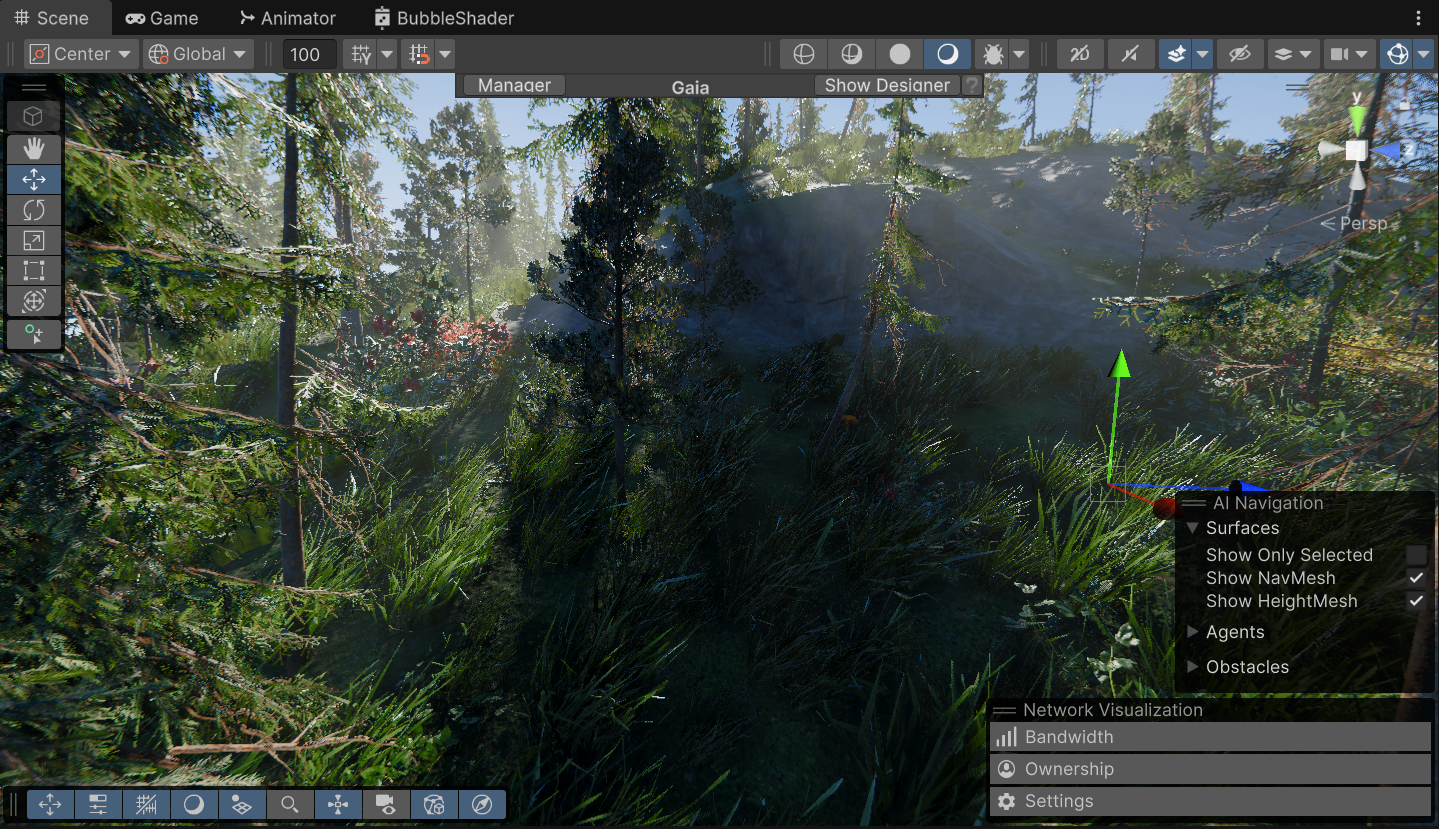
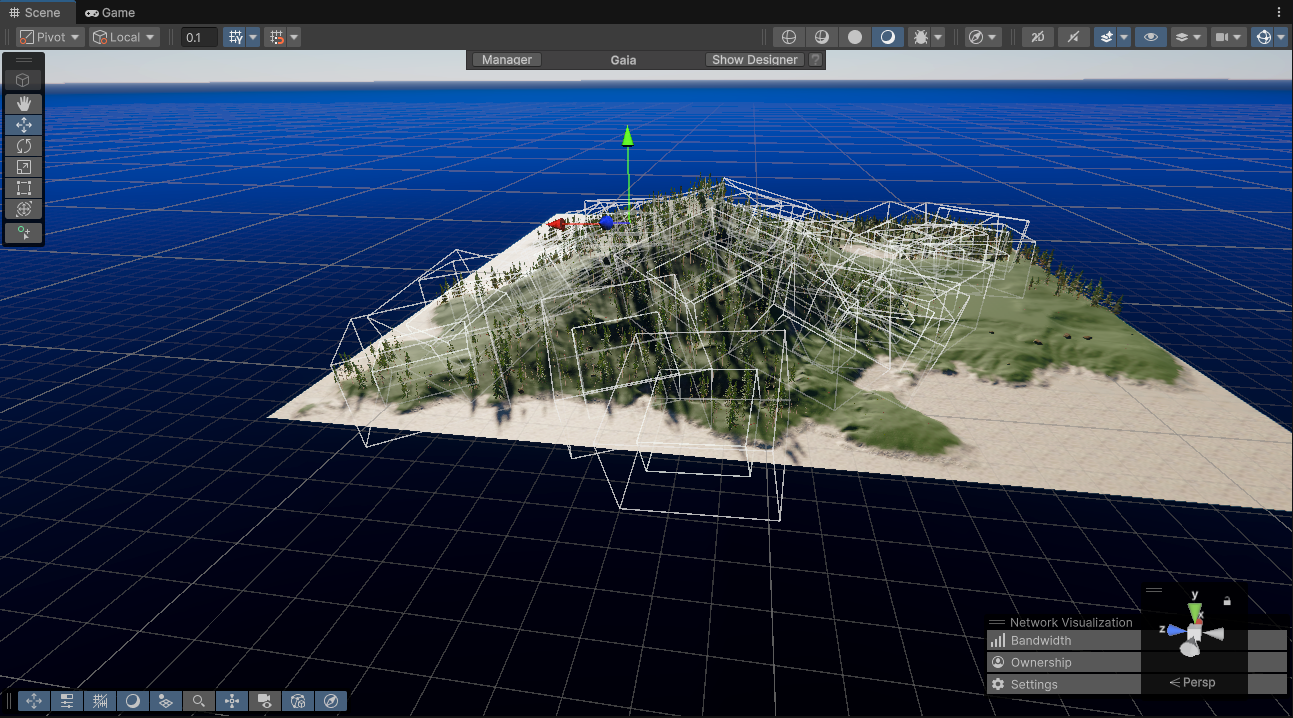
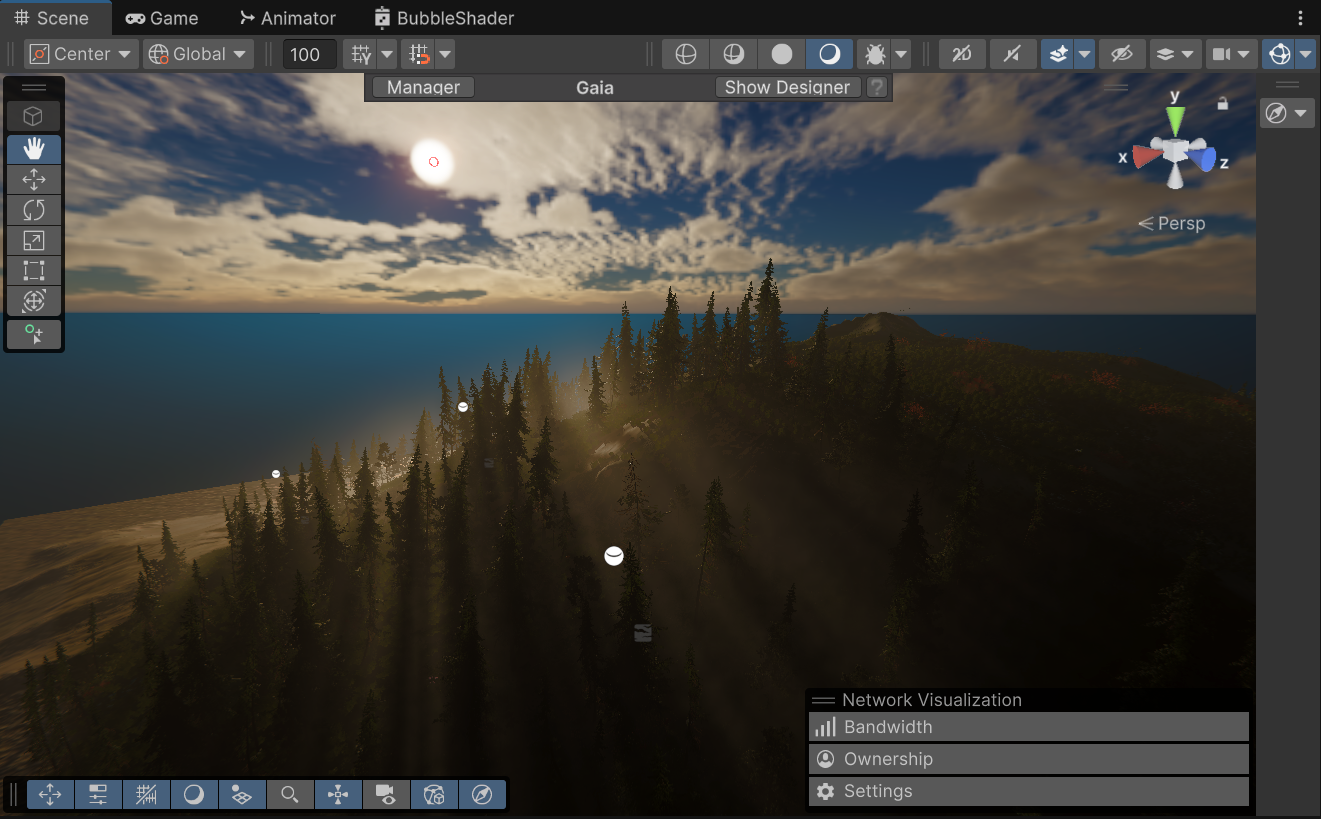
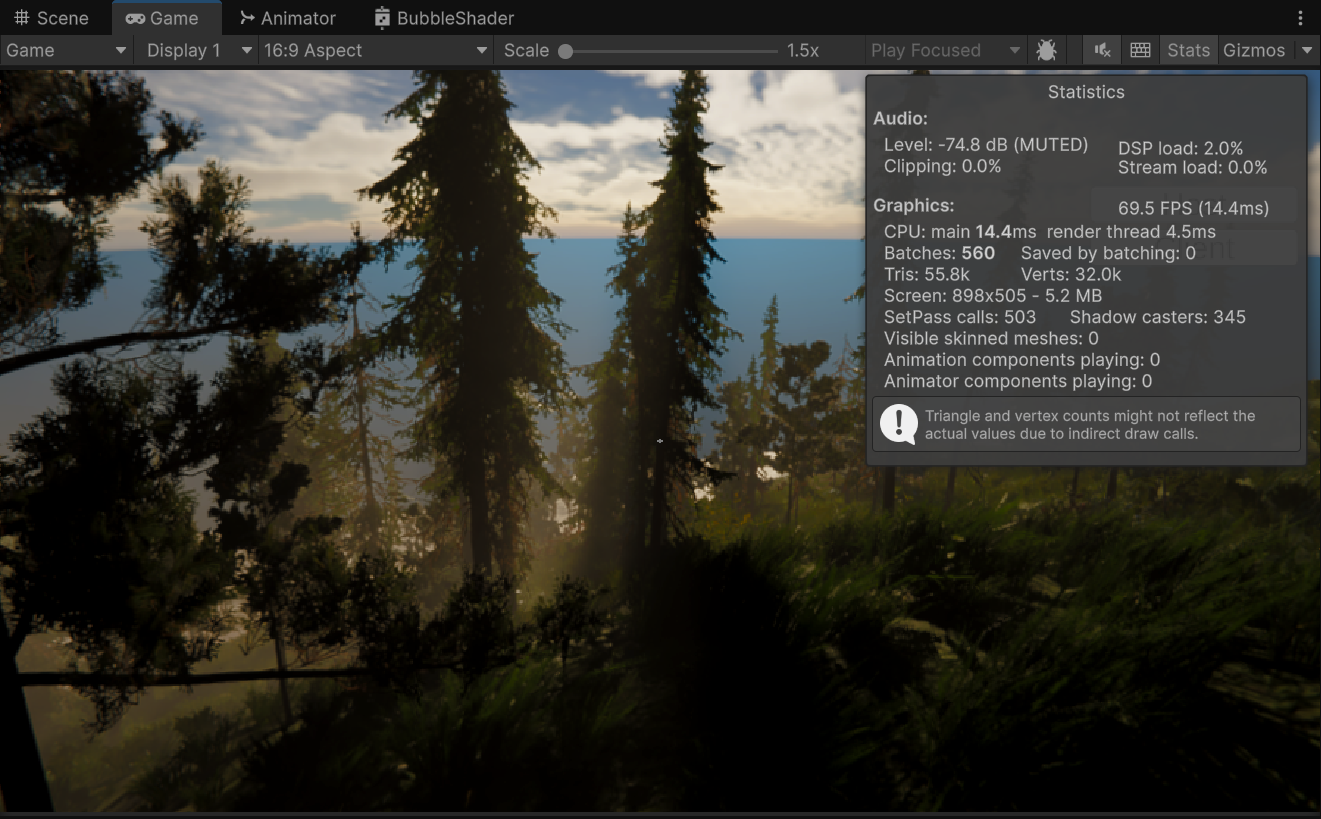
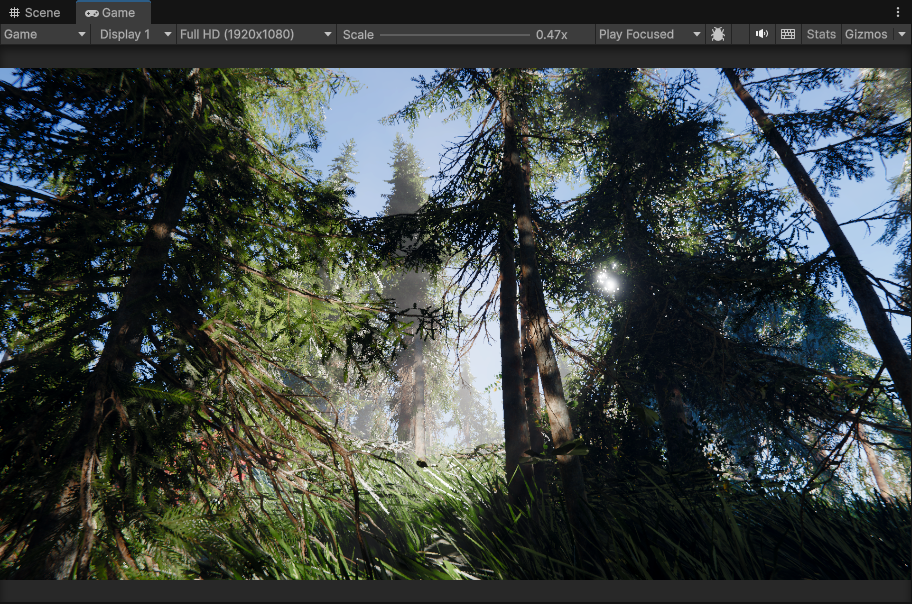
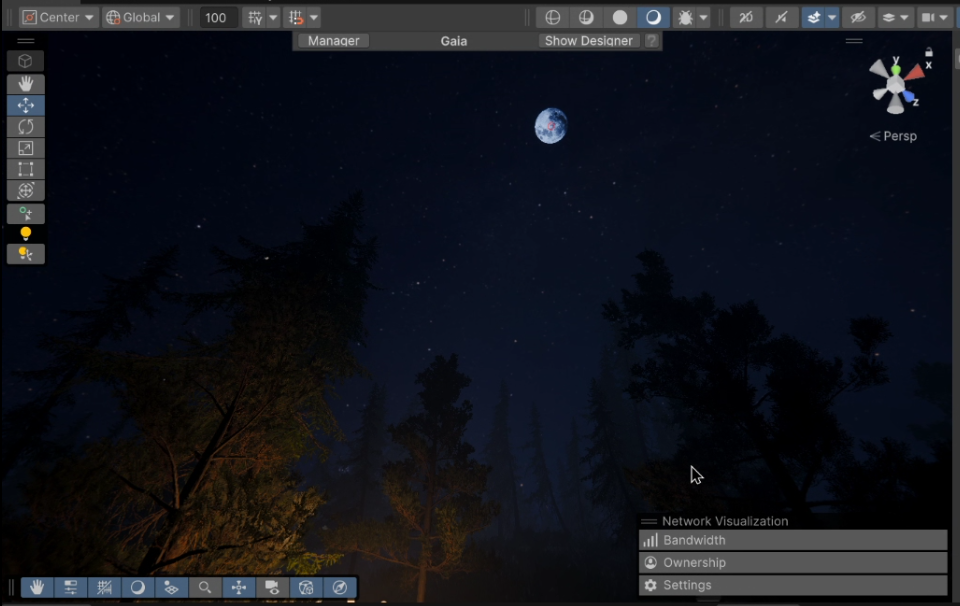
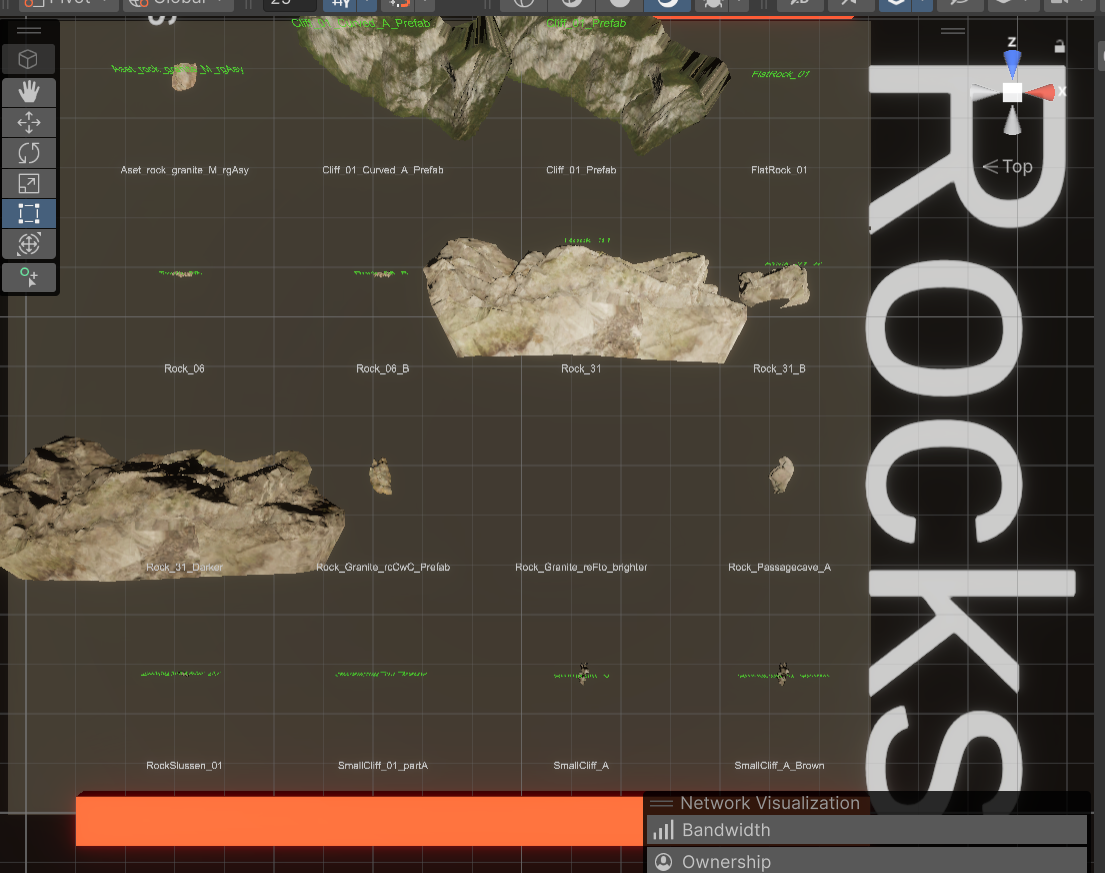
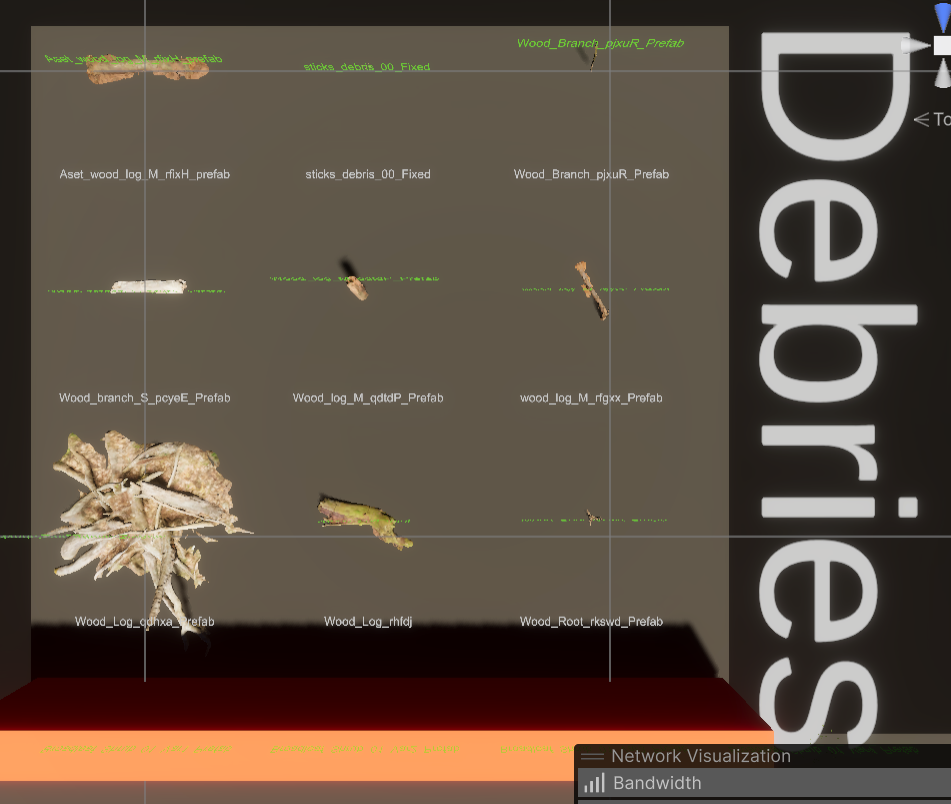
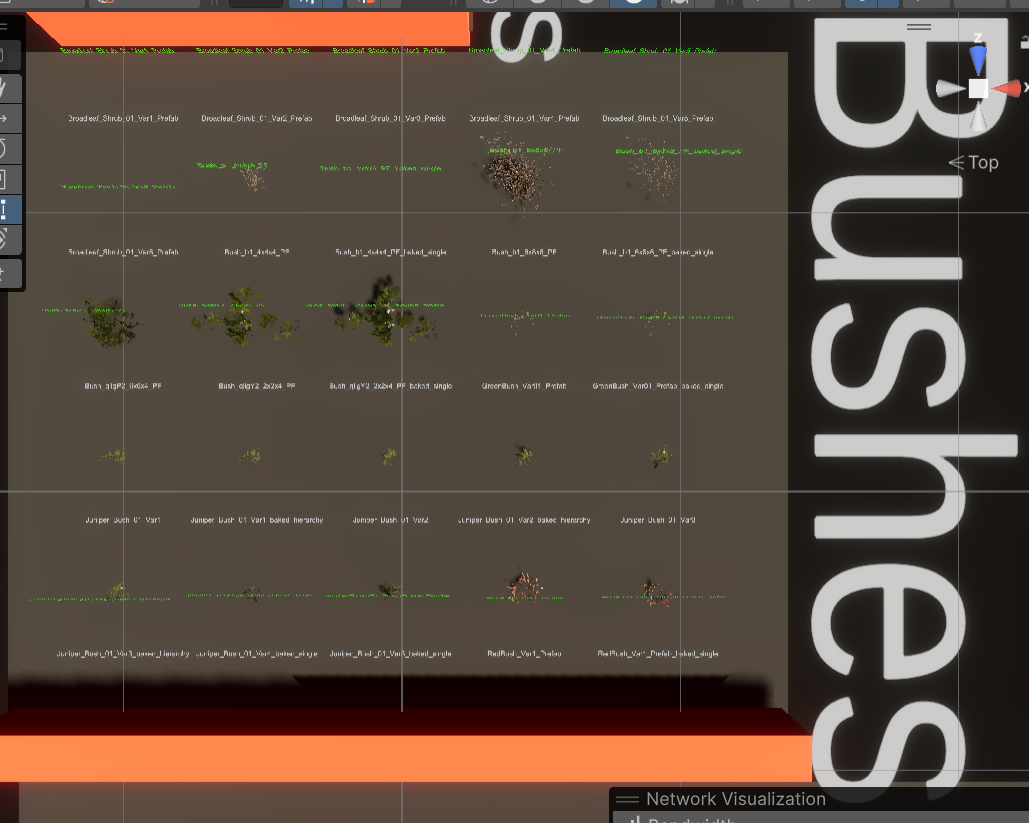
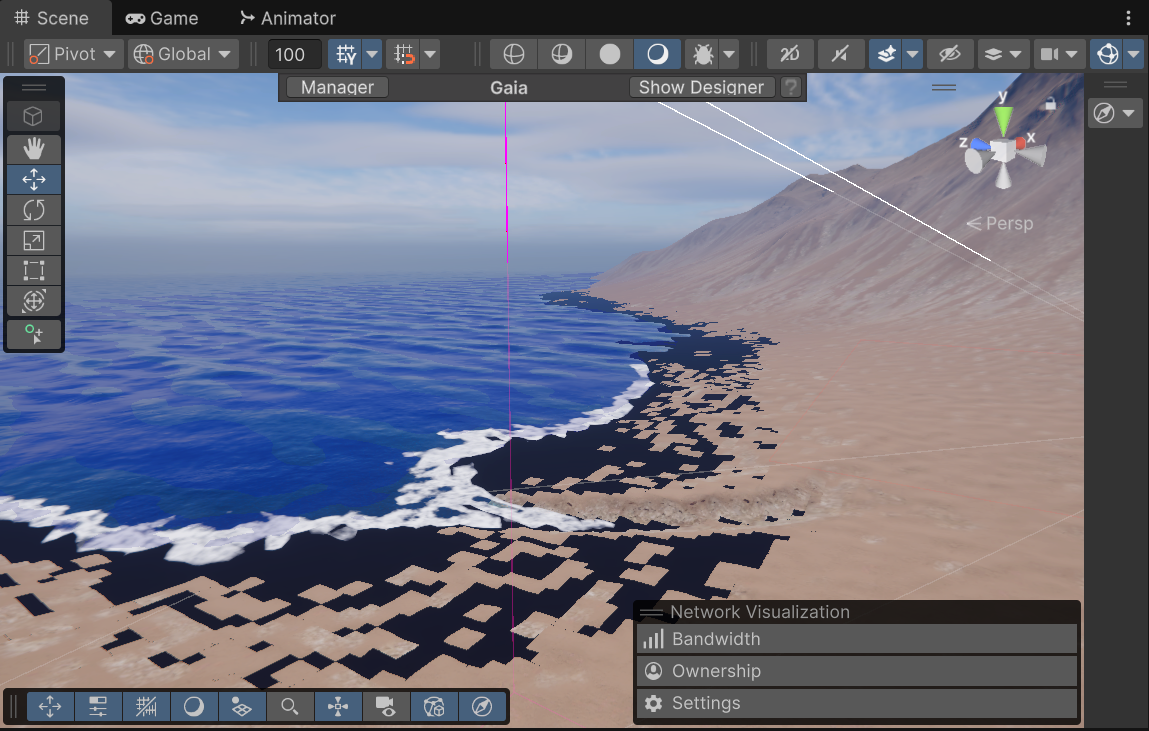
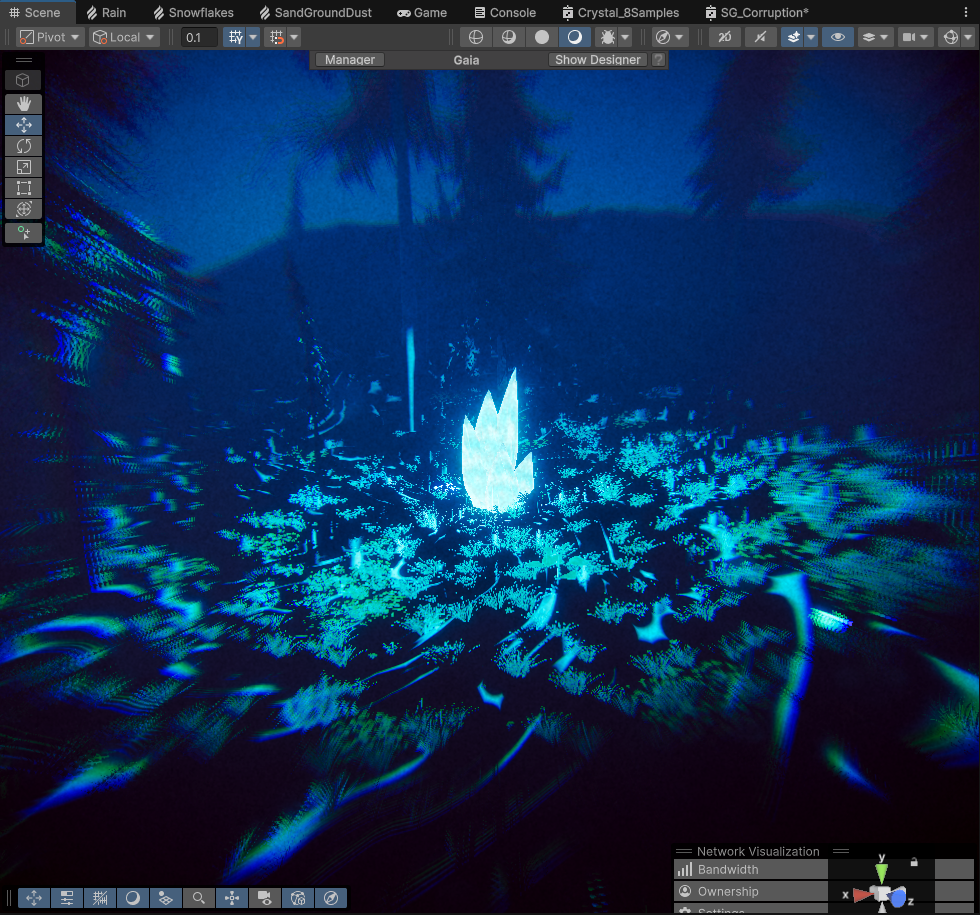
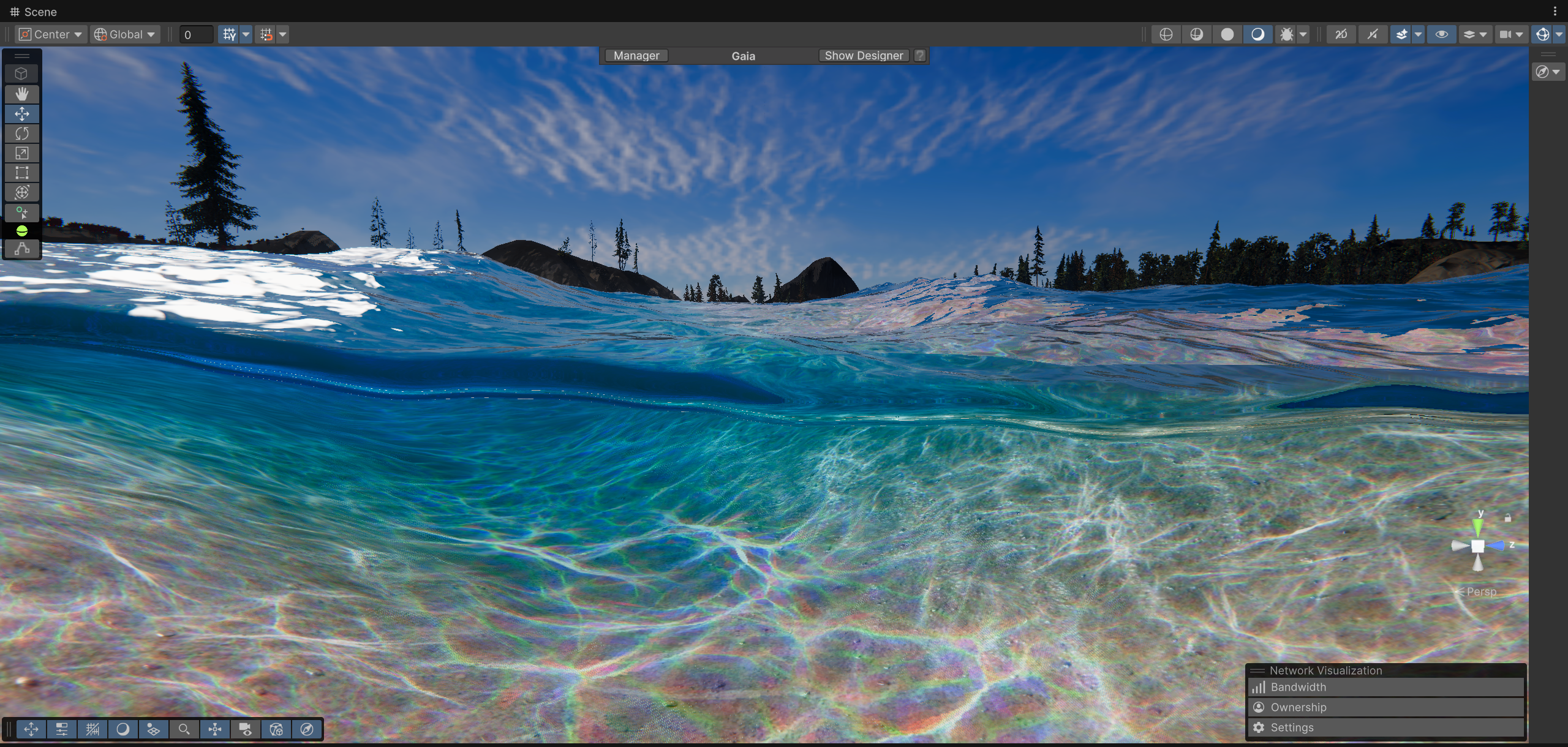
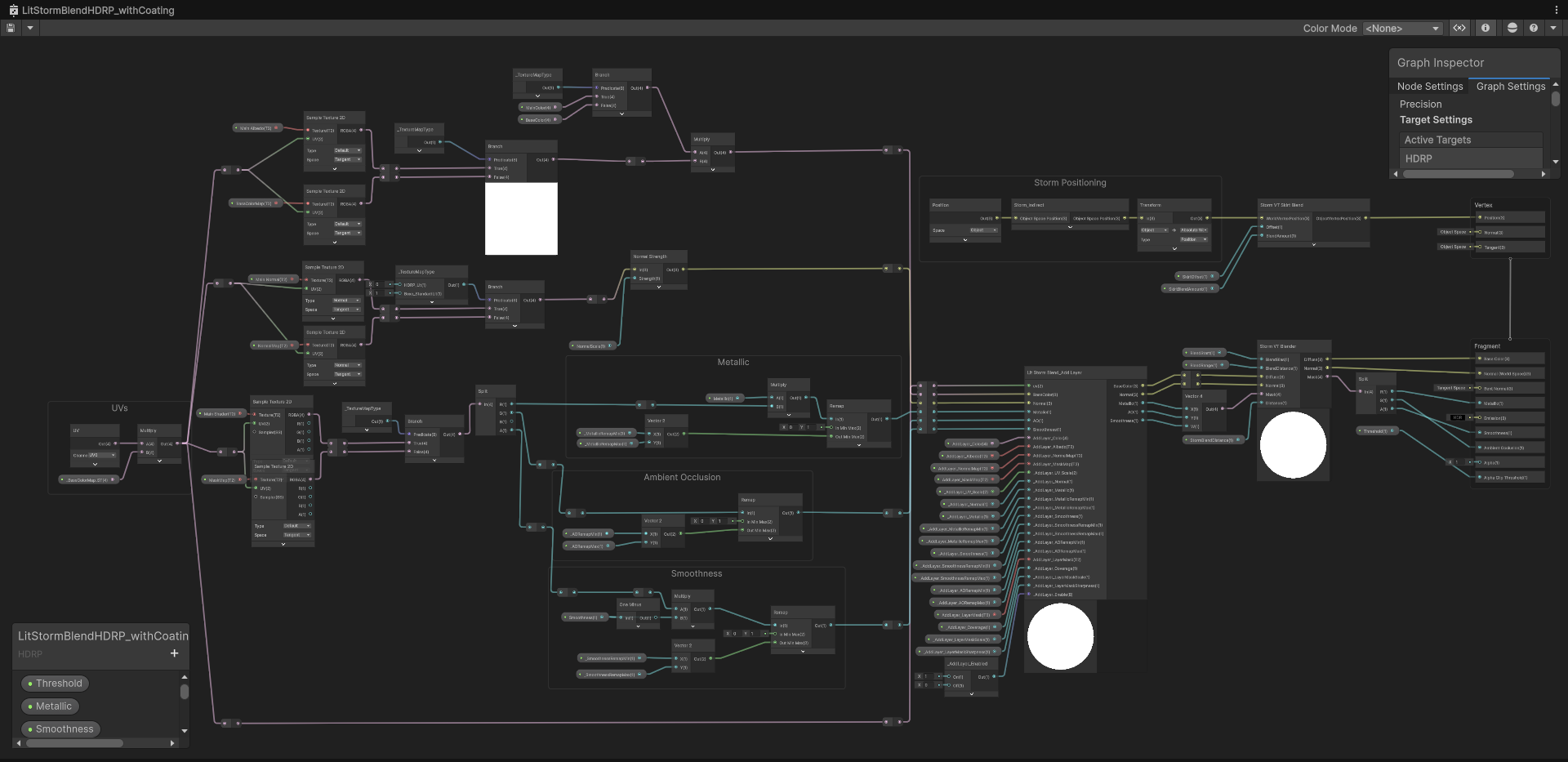
Technical art work from the Unity 6 HDRP team project Spriggan, covering vegetation and terrain integration, dynamic lighting and weather tests, Shader Graph effects, rendering issue investigation, and small tools for asset review.
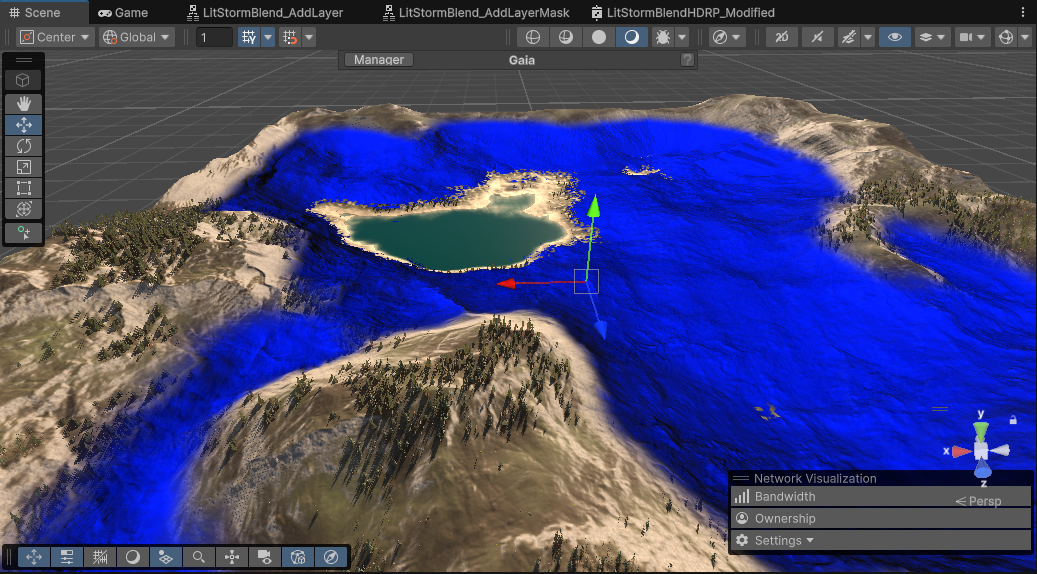
Ecological Data Conversion: Implemented a data conversion workflow to map vegetation generation rules from Gaia Biomes to Storm FeatureSets, enabling automated, community-based vegetation distribution.
Hybrid Modification Strategy: Formulated a “Procedural Generation + Manual Tuning” hybrid workflow. While leveraging procedural generation to ensure ecological diversity and density, I coordinated with level designers to clear or adjust vegetation in specific areas based on gameplay requirements (e.g., pathways, combat zones, monster spawn points).
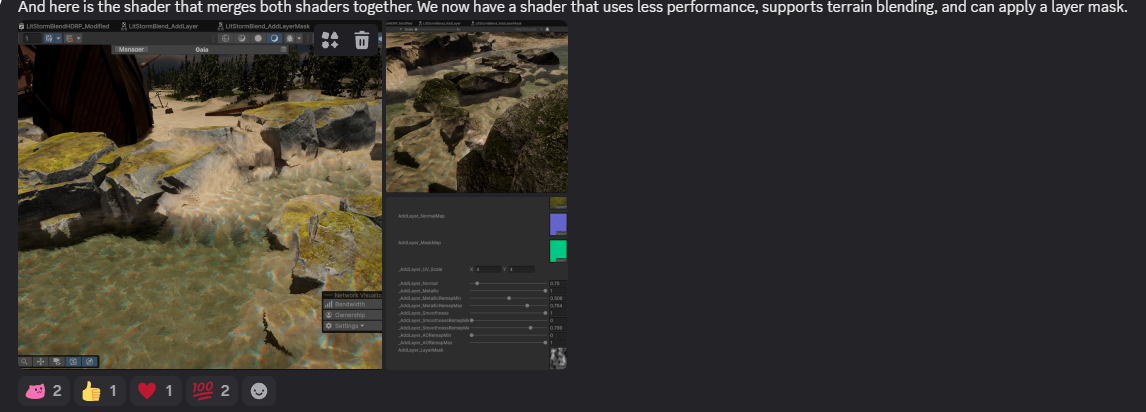
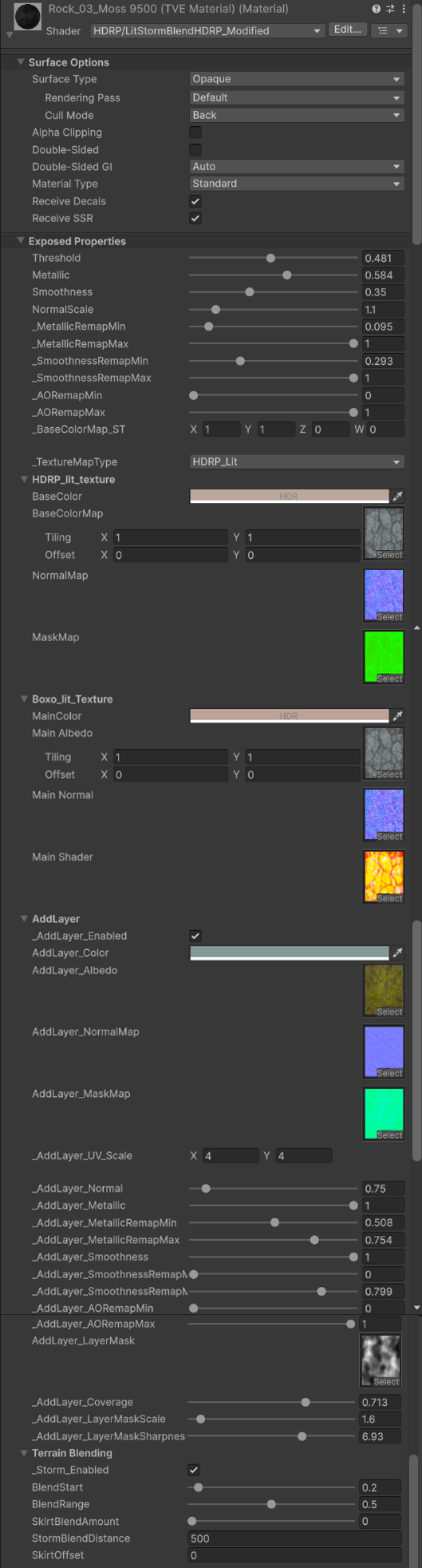
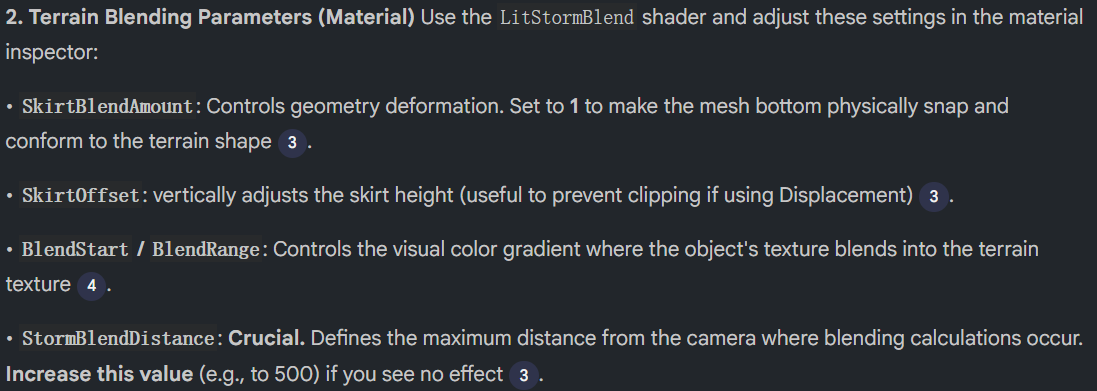
Core Contribution: Integrated Storm texture blending with the project’s existing Boxophobic and HDRP/Lit assets in the documented setup.
Shader Merging (HLSL/Graph): Manually merged Storm’s Texture-Based Blending logic into the project’s original Boxophobic and HDRP/Lit Shaders so art assets could use terrain blending while retaining their existing material setup in the documented project.
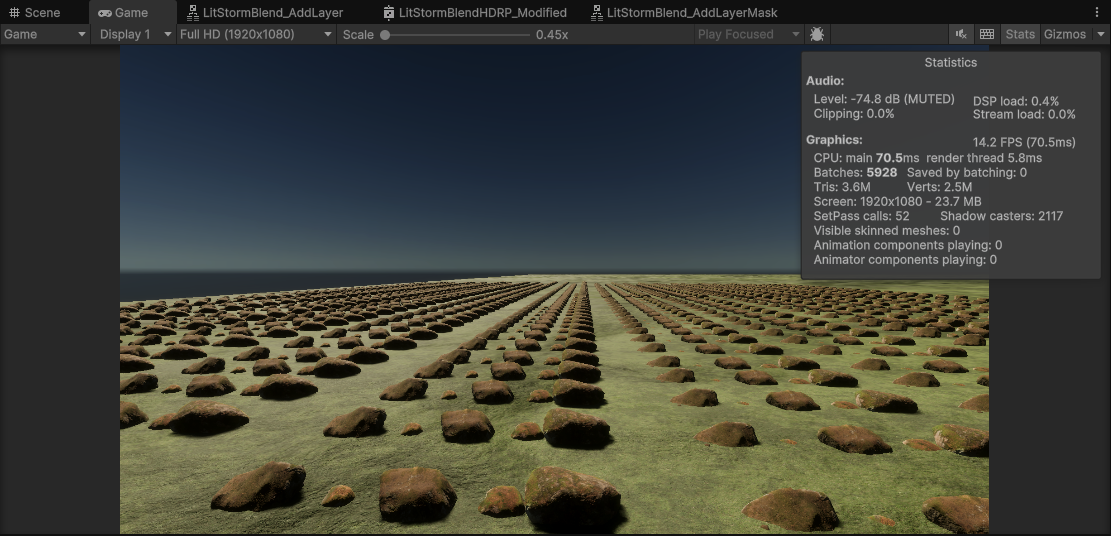
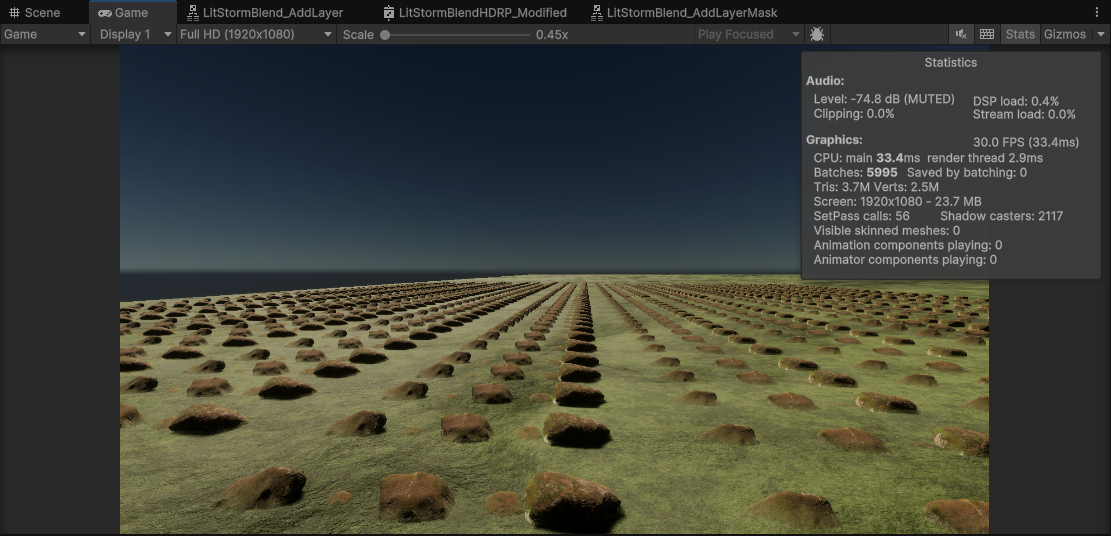
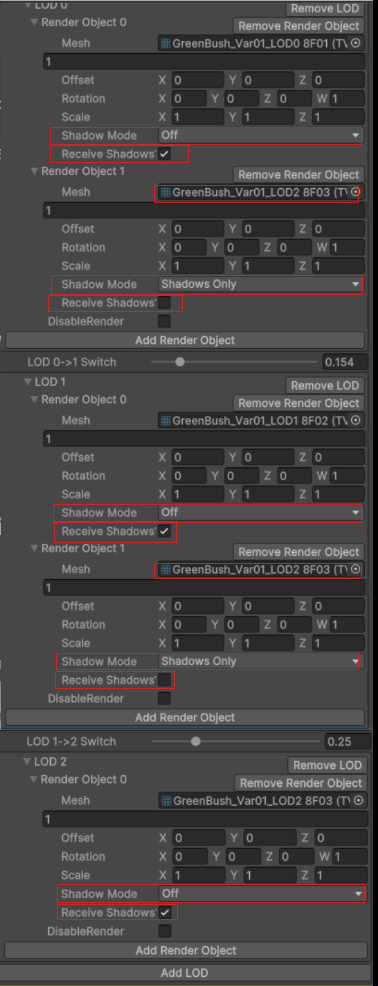
Texture-Based LOD (Vegetation Fallback Strategy):
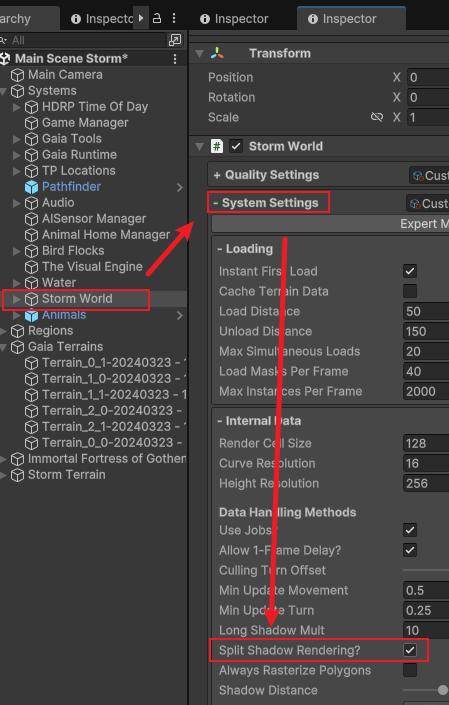
Split Shadow Rendering: Enabled Storm’s Split Shadow Rendering strategy.
AI Tuning: Adjusted sensory detection parameters for pack animals (wolves/deer) and tested their group behavior in the project.
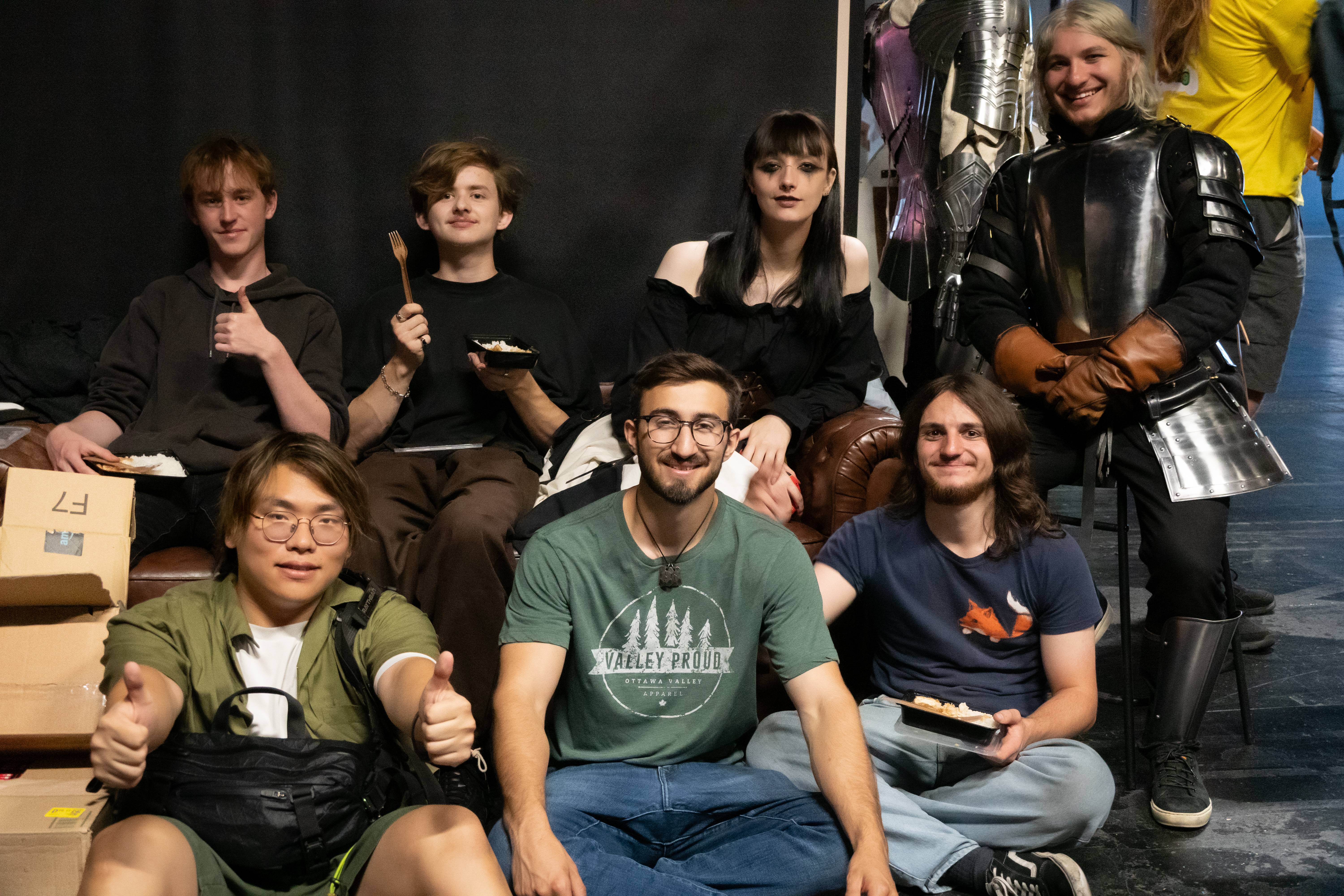
Gamescom Exhibition: Assisted the team in exhibiting the demo at Gamescom 2025. I helped construct the team booth and coordinate sub-leased space for other indie developers.
Initial Attempt: Early in the project, I attempted a “fully-baked” approach—a hybrid pipeline using Baked Lightmaps + APV.
Empirical Evidence: Even with Lightmaps, the visual fidelity fell far short of the Unity official demo Book of the Dead (BotD).
Root Cause Analysis: Lightmaps were not the core solution to the visual gap. BotD’s visual impact comes from a “Trinity” of spatial construction and refined material response, which were missing in my initial attempt:
Material adjustment (SSS): Adjusted the Diffusion Profile and Normal Intensity, then compared the vegetation response in scene.
After comparing the approaches, I moved this project setup from Lightmaps toward a dynamic combination of APV, SSGI, reflection data, and volumetric fog.
Challenge (Light Leaking): After switching to Adaptive Probe Volumes (APV) for fully dynamic lighting, pure APV solutions in indoor scenes suffered from low-frequency light leaking and noise due to insufficient sampling precision.
Strategy (Dual Complementary): I introduced SSGI as a screen-space detail layer and tested it alongside APV’s lower-frequency lighting data. The setup also used Unity’s fallback mechanism for information that SSGI could not provide off-screen.
(Unity Doc): “Because Adaptive Probe Volumes can cover a whole scene, screen space effects can fall back to Light Probes to get lighting data from GameObjects that are off-screen or occluded.”
Observed result: In the documented test scene, SSGI reduced visible low-frequency artifacts and added screen-space occlusion detail. APV remained the fallback when SSGI tracing missed or went off-screen.
Addressing the “lack of designed reflections,” I did not blindly increase probe density. Instead, I followed the documentation’s logic to “subtract”:
(Unity Doc): “Unity can use the data in Adaptive Probe Volumes to adjust lighting from Reflection Probes so it more closely matches the local environment…”
Configuration: I reduced the number of Reflection Probes and tested a Global Probe with APV correction data (Normalization/Occlusion). In the recorded forest views, this produced a more locally consistent reflection response. This page does not claim a project-wide performance gain.
To fix the “ineffective Volumetric Fog,” I used Gaia to identify locations near water sources, at terrain curve valleys, and within forests to procedurally spawn a large number of Local Fog Volumes.
(Unity Doc): “If you use volumetric fog, the per-pixel probe selection provides more accurate lighting for the variations in a fog mass.”
Visual comparison: The combination moved the documented forest views closer to the Book of the Dead reference in lighting depth, fog response, and wet-surface highlights. This is a visual comparison, not a claim of equivalent project-wide fidelity.
Project Pivot & Refactoring: During this period, the project underwent core personnel changes and a 1.5-month hiatus. I participated in code and asset handovers, legacy code and scene cleanup, multiplayer-module removal, and core gameplay-loop restructuring.
Pipeline Blockers & Engine Limitations: During multi-terrain tile loading, objects drifted into incorrect chunks and Play Mode initialization exceeded 30 minutes in the observed project setup.
Workflow Stabilization:
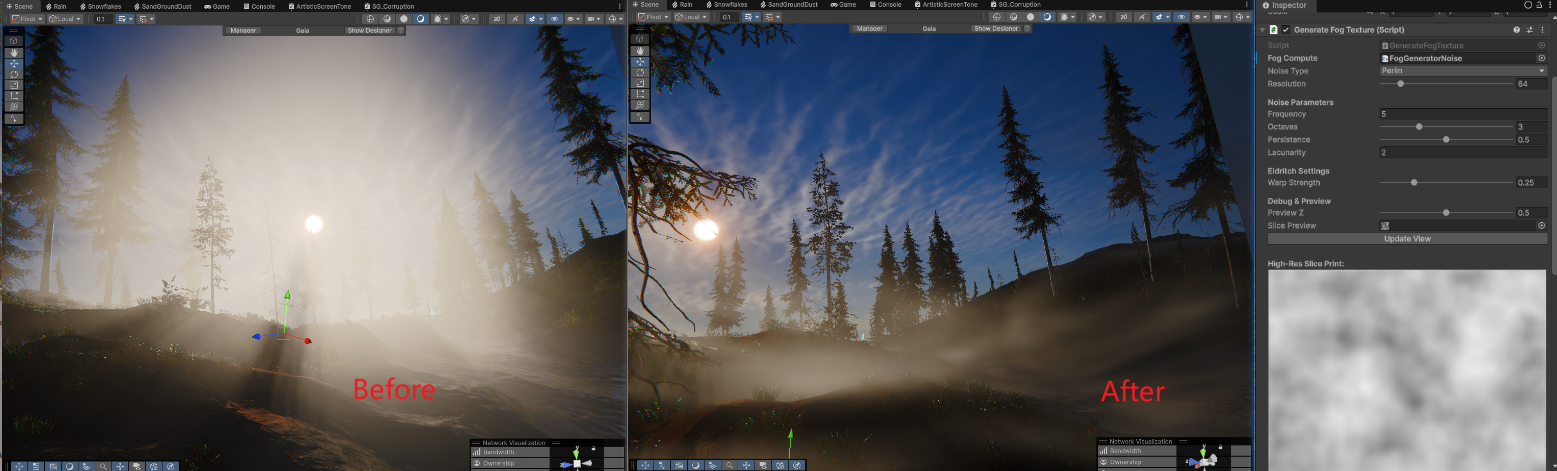
Volumetric Noise & Water Integration:
Weather Systems & Sun Orbit:
Global Wind & Shader Injection: Passed shared global wind data into Boxophobic assets and custom team shaders so their local animation could respond to the same source.
Decal Projector: Corruption Shader
Memory & Rendering Debugging:
LUT Workflow Decoupling:
RT-Driven Dynamic Interactions:
Screen-Space Post-Processing FX:
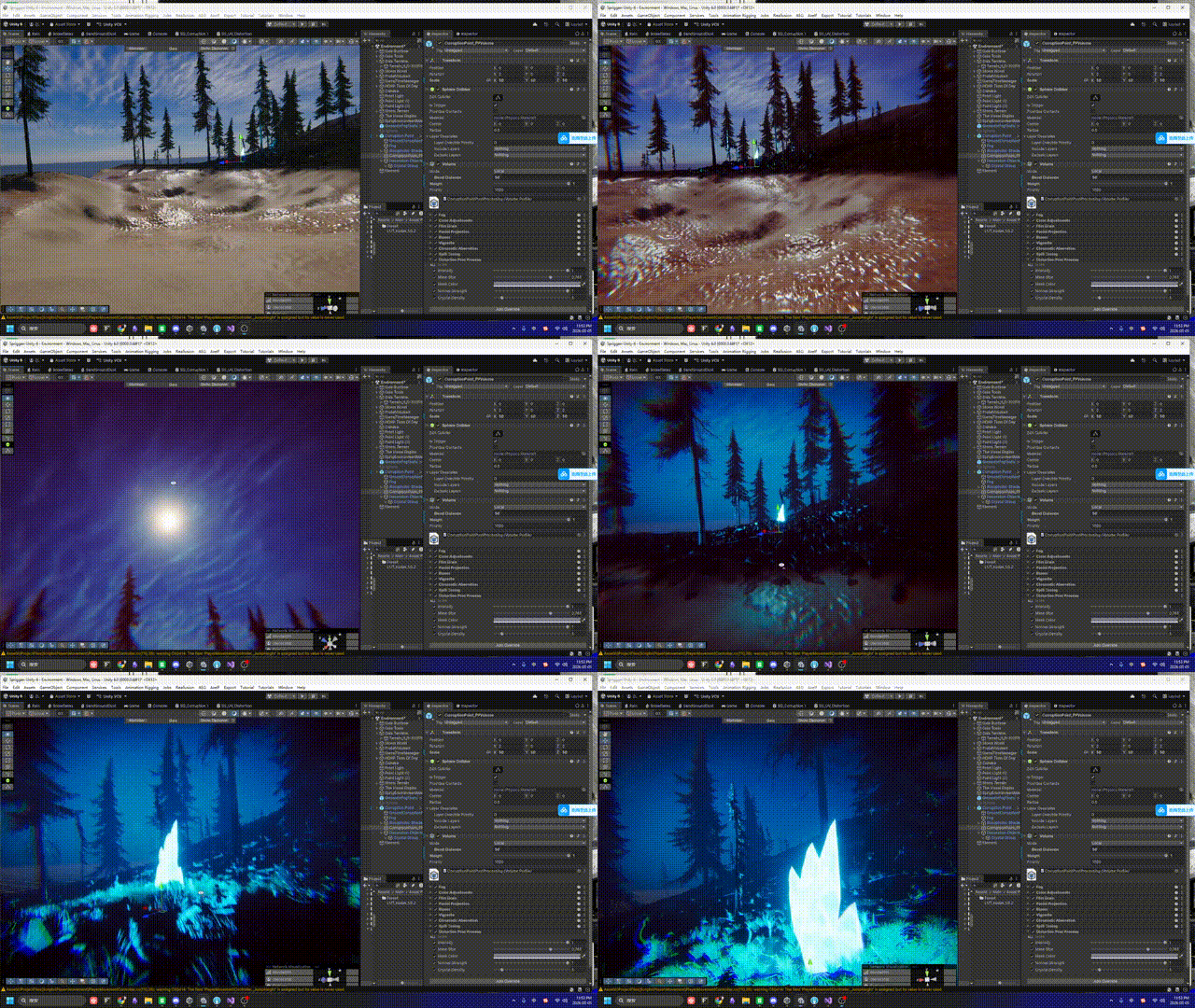
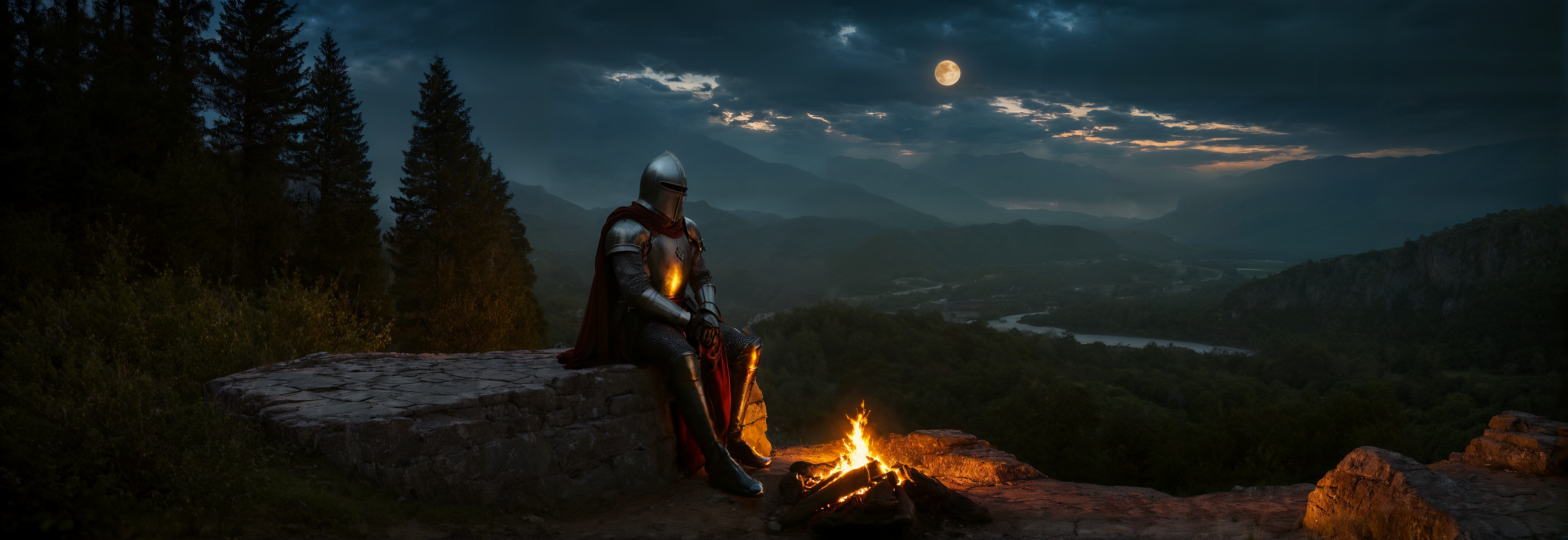
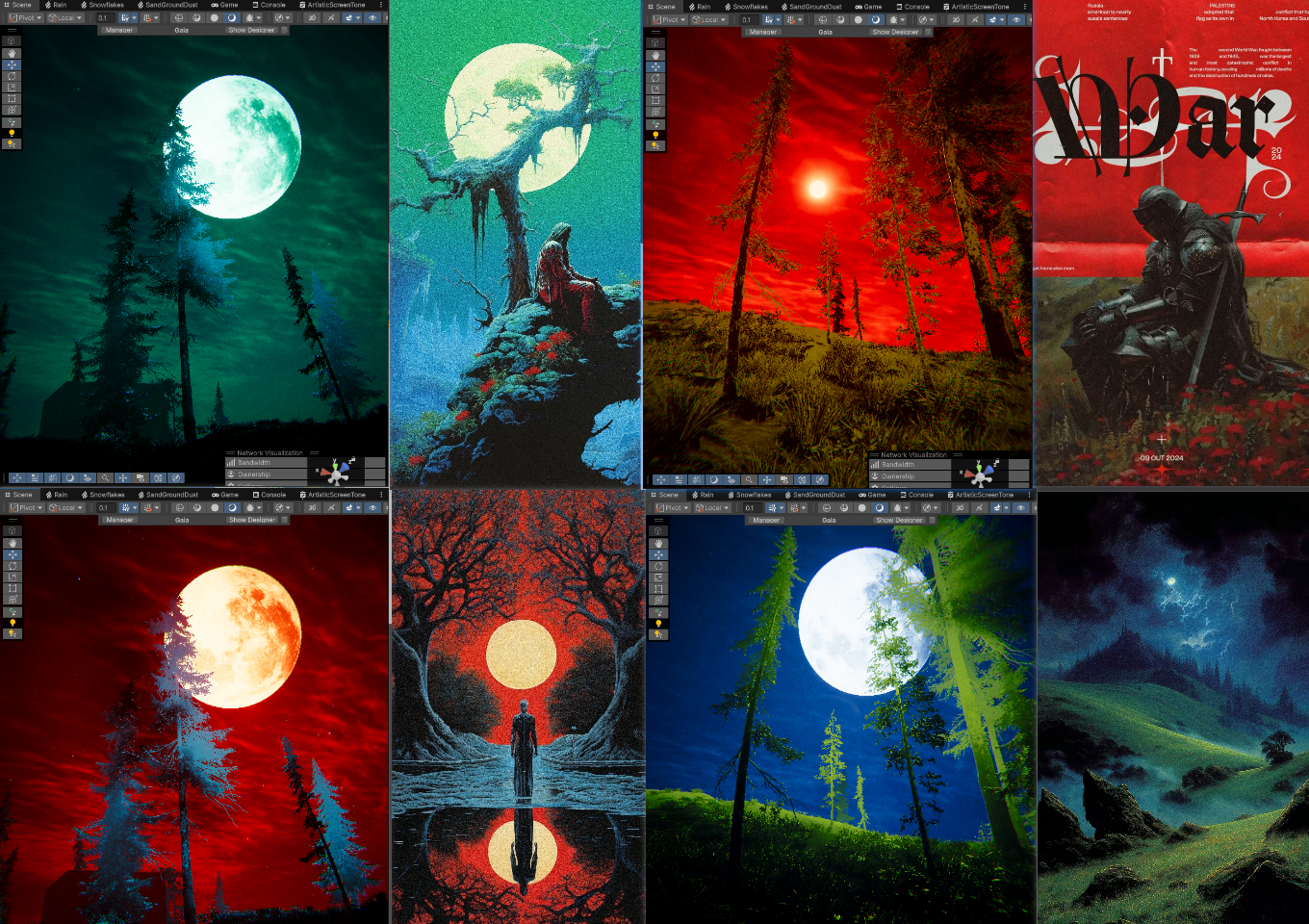
NPR Stylized Lighting Prototype (Medieval High-Contrast):