An internship record for Concordia's Next-Generation Cities Institute
Introduction
1. Urban Reconstruction: From Satellite to Simulation
Overview:
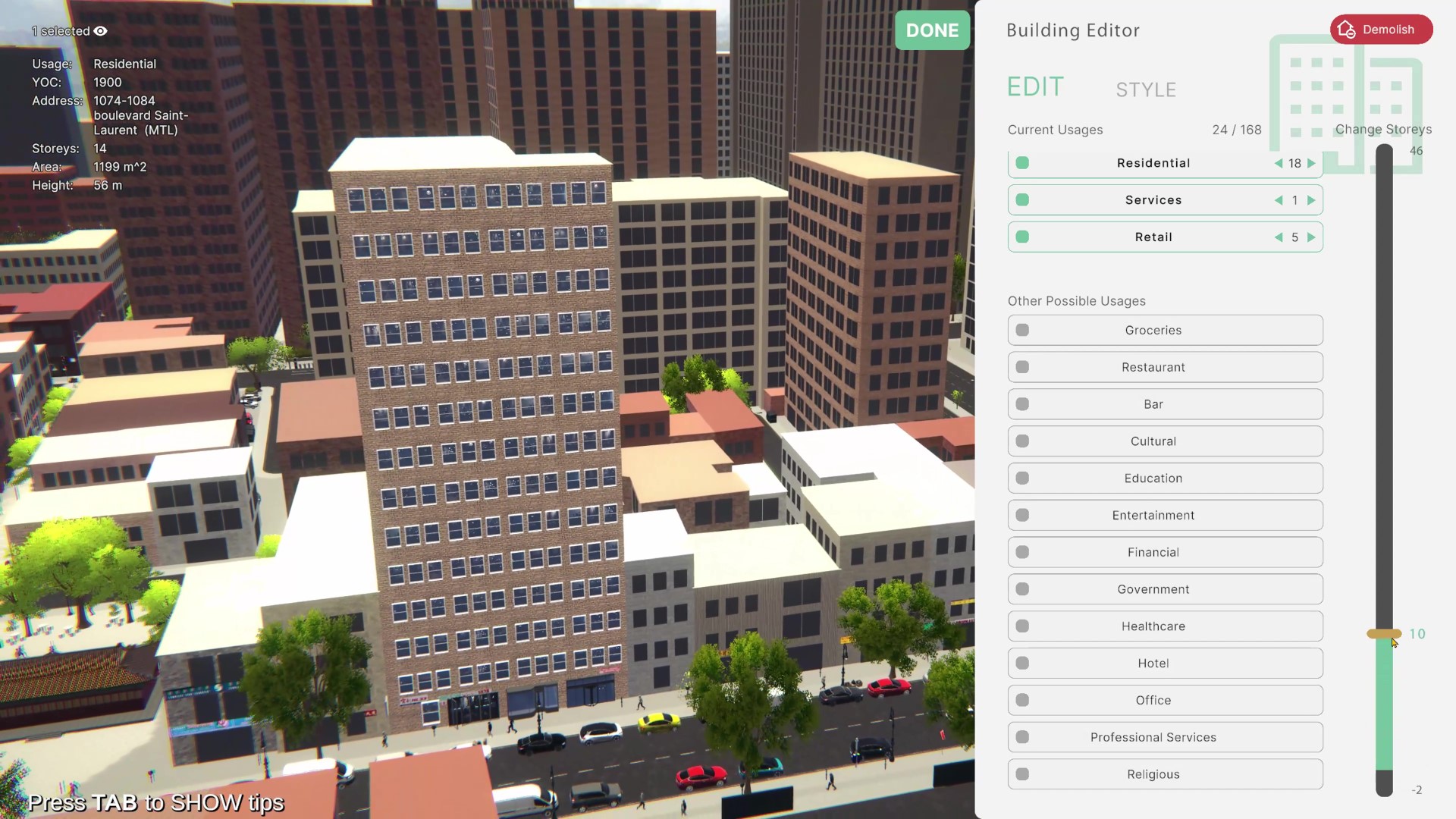
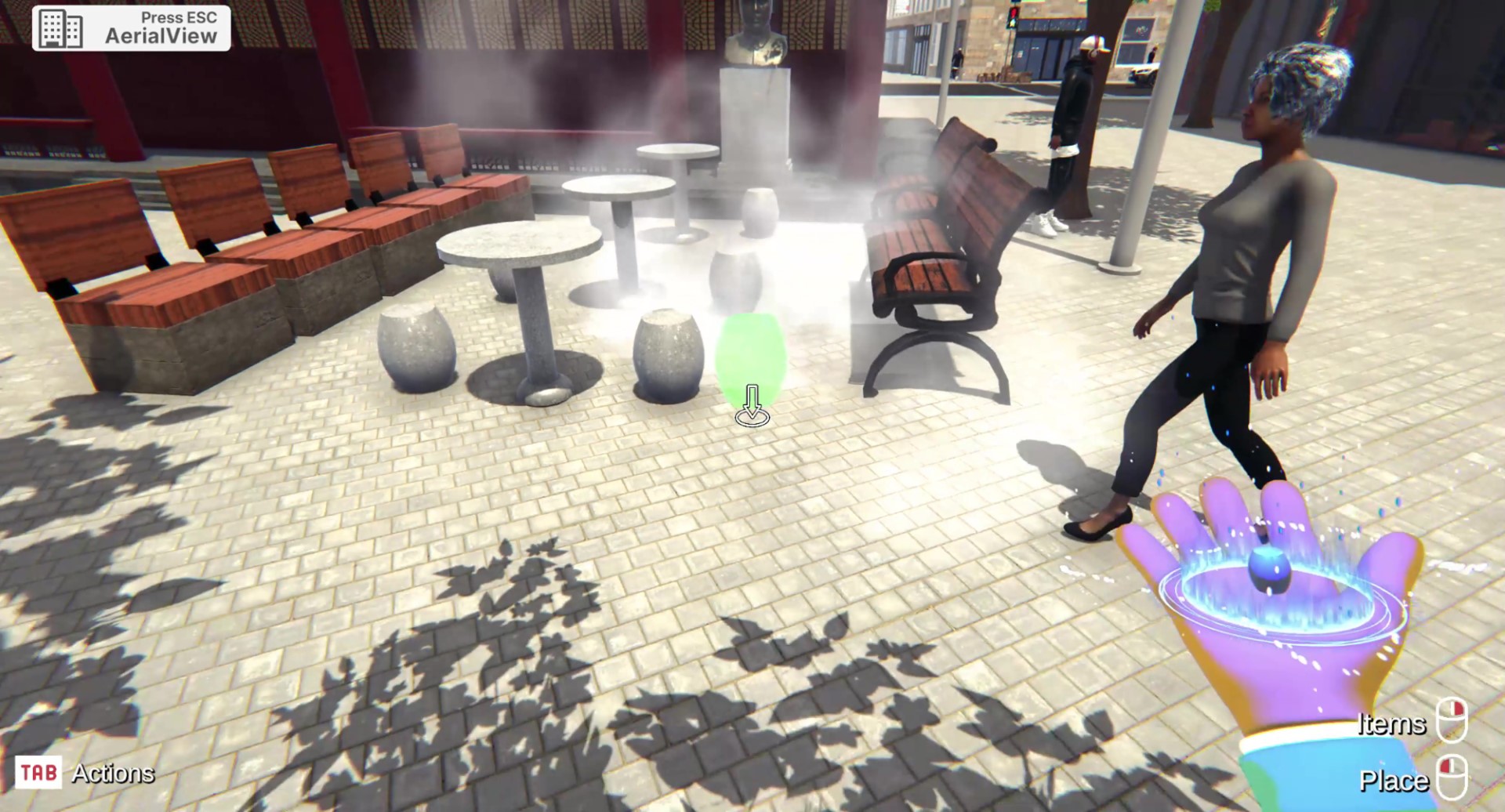
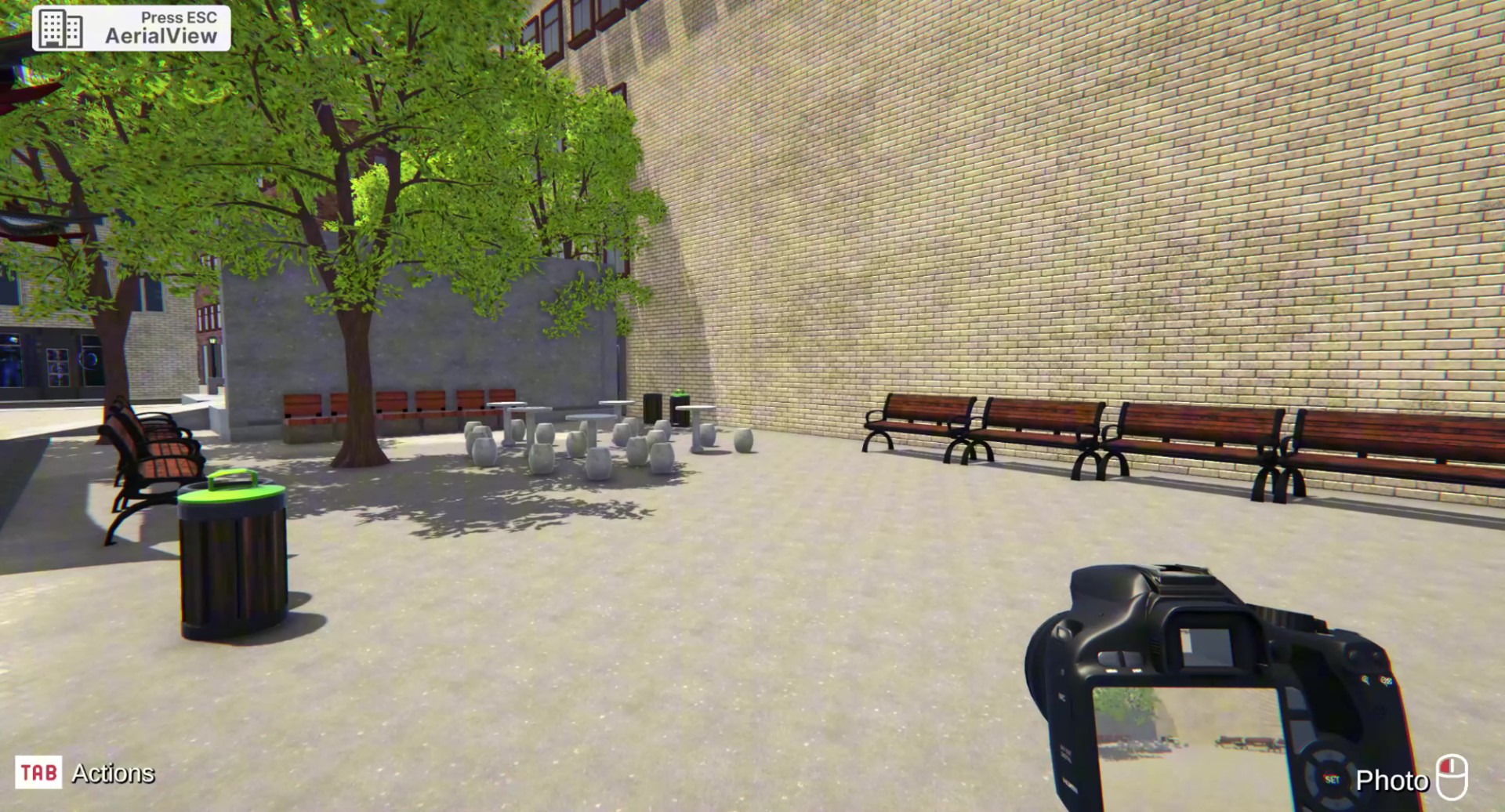
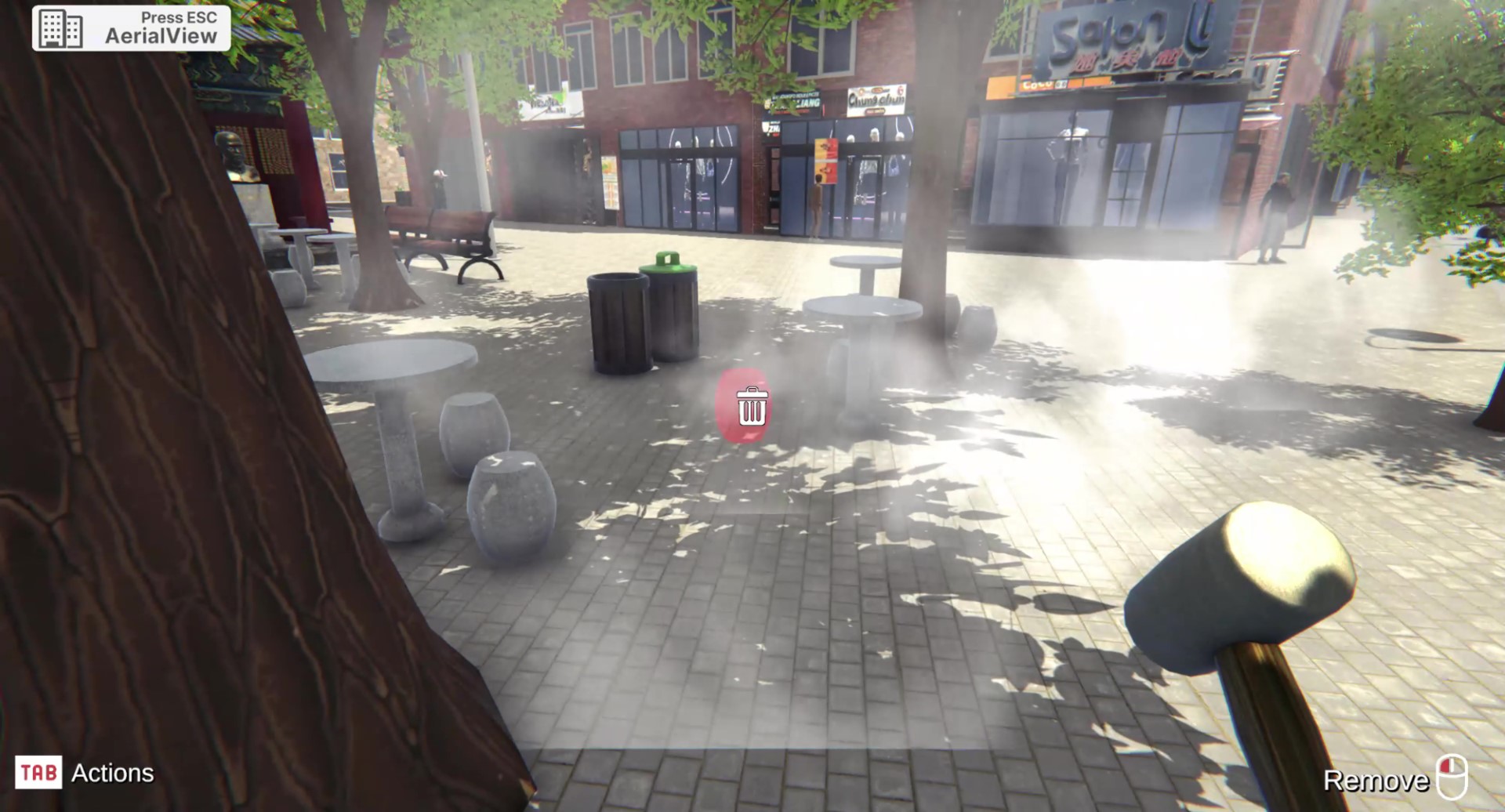
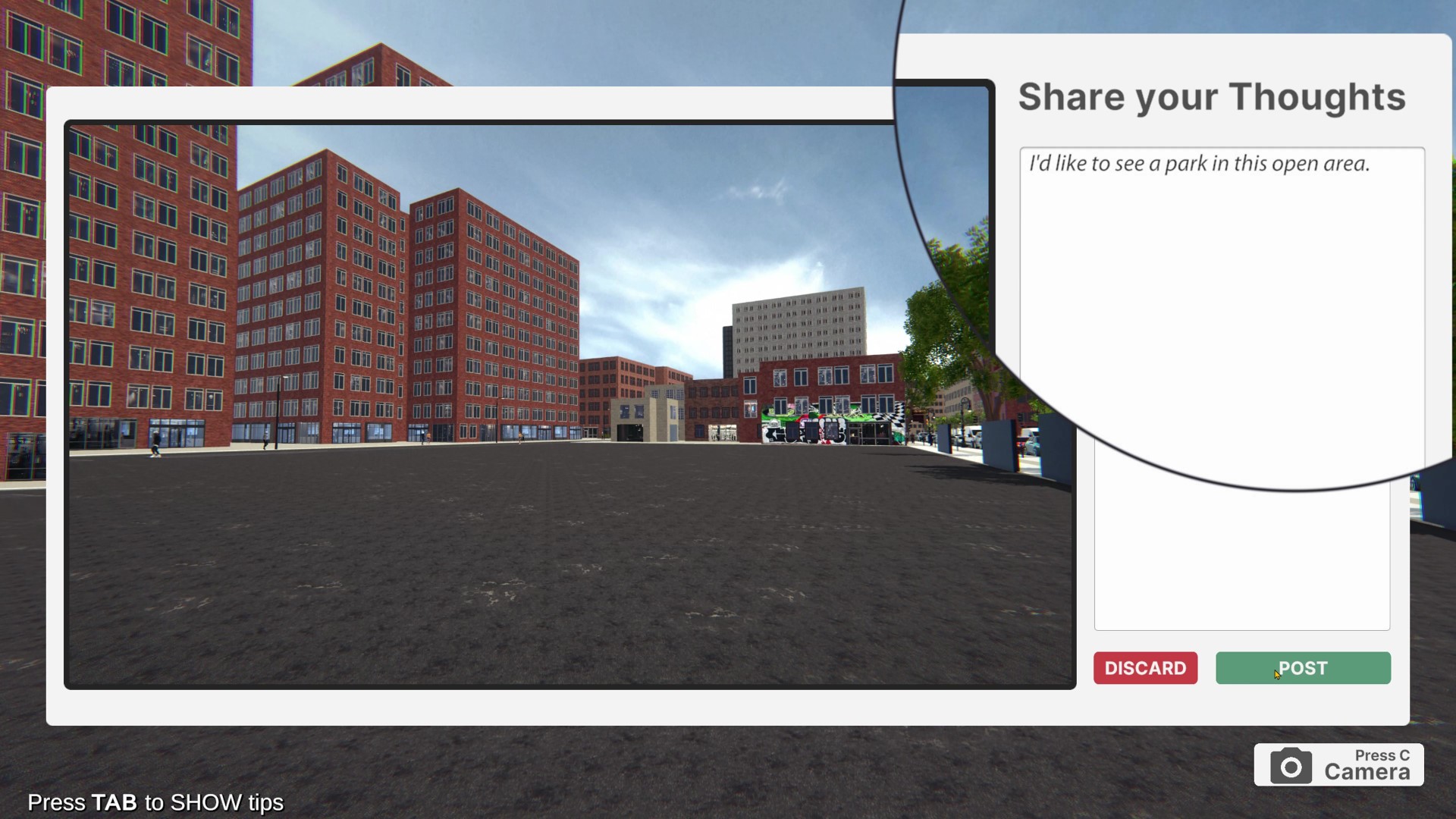
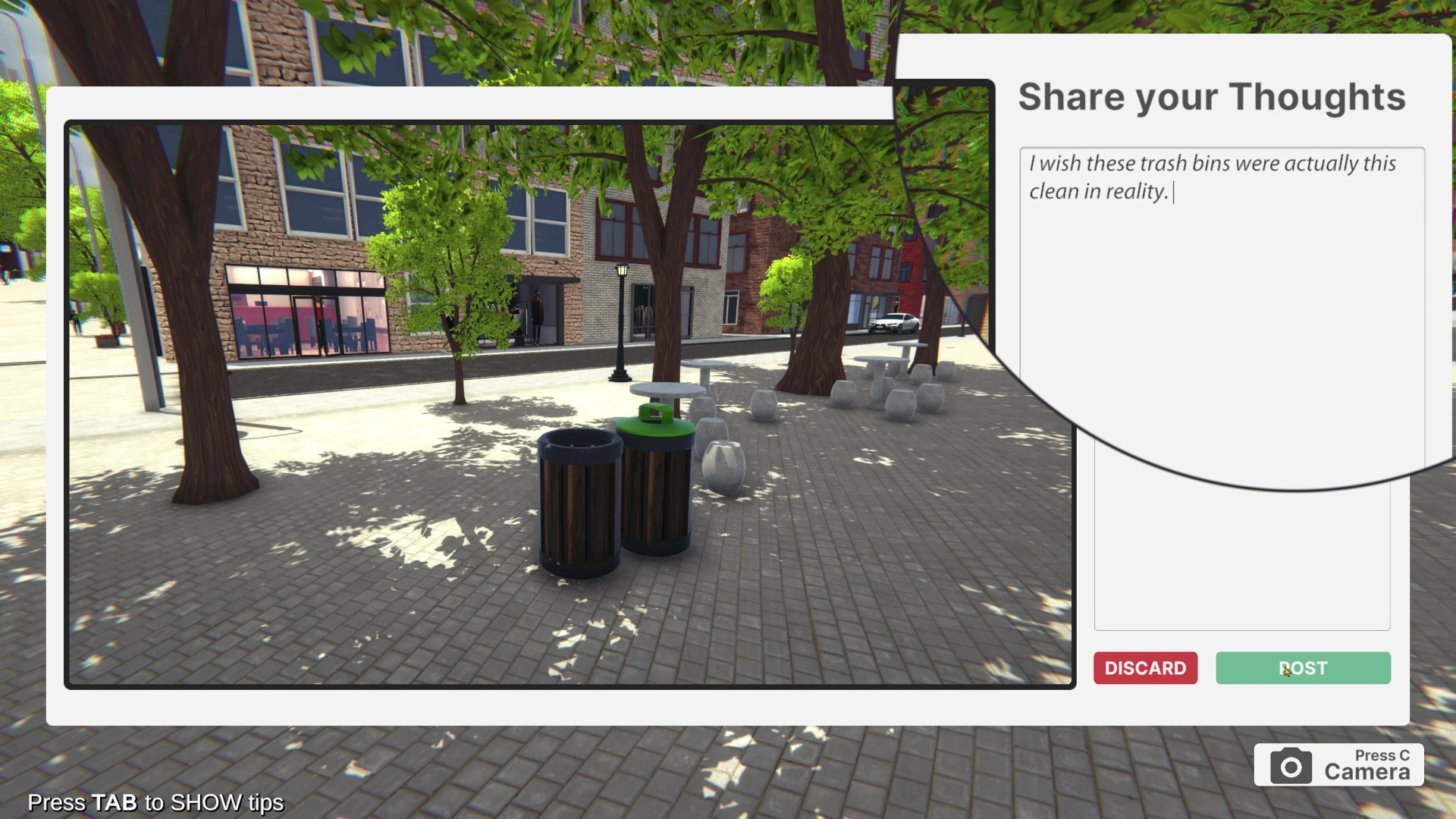
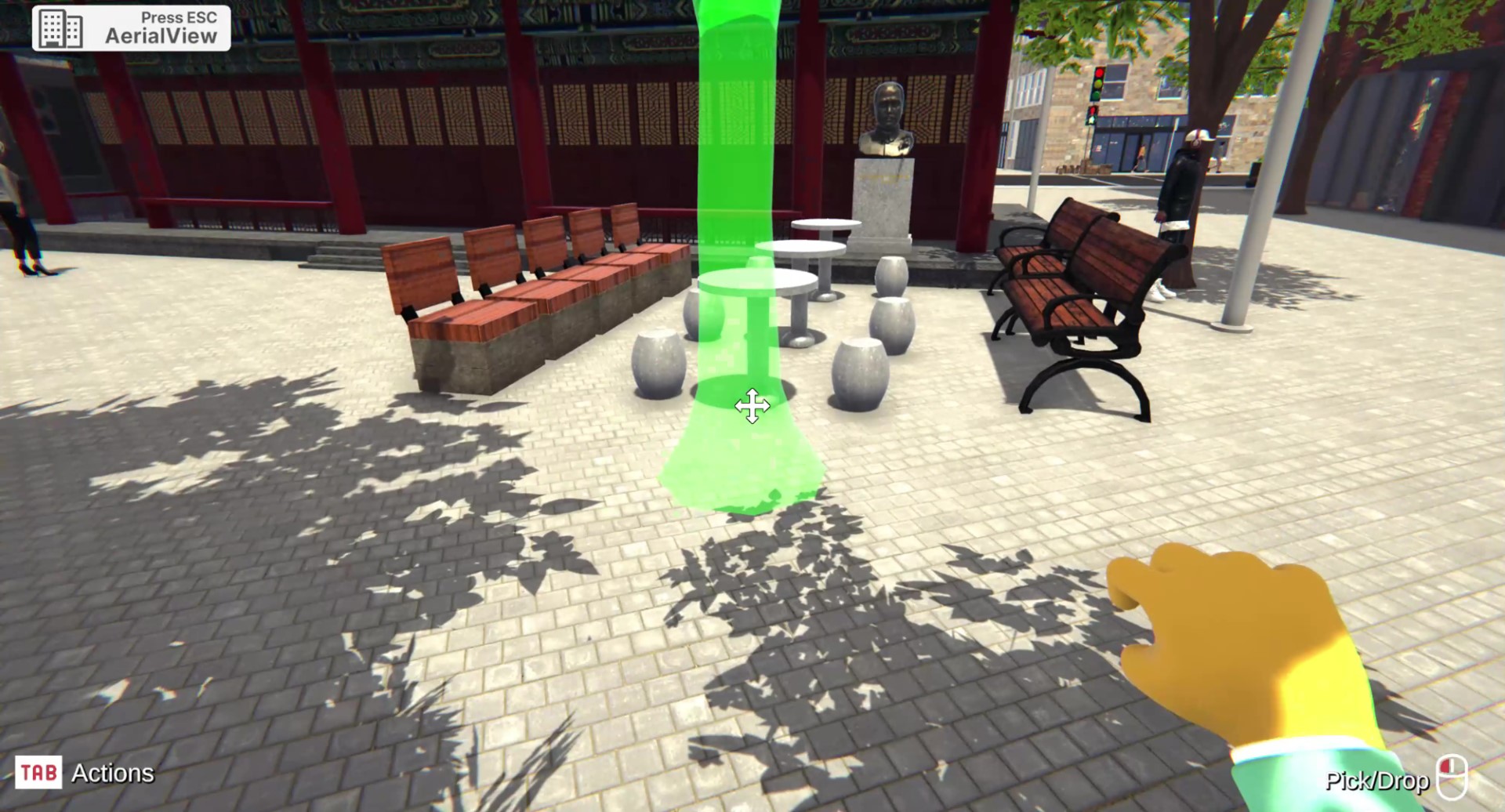
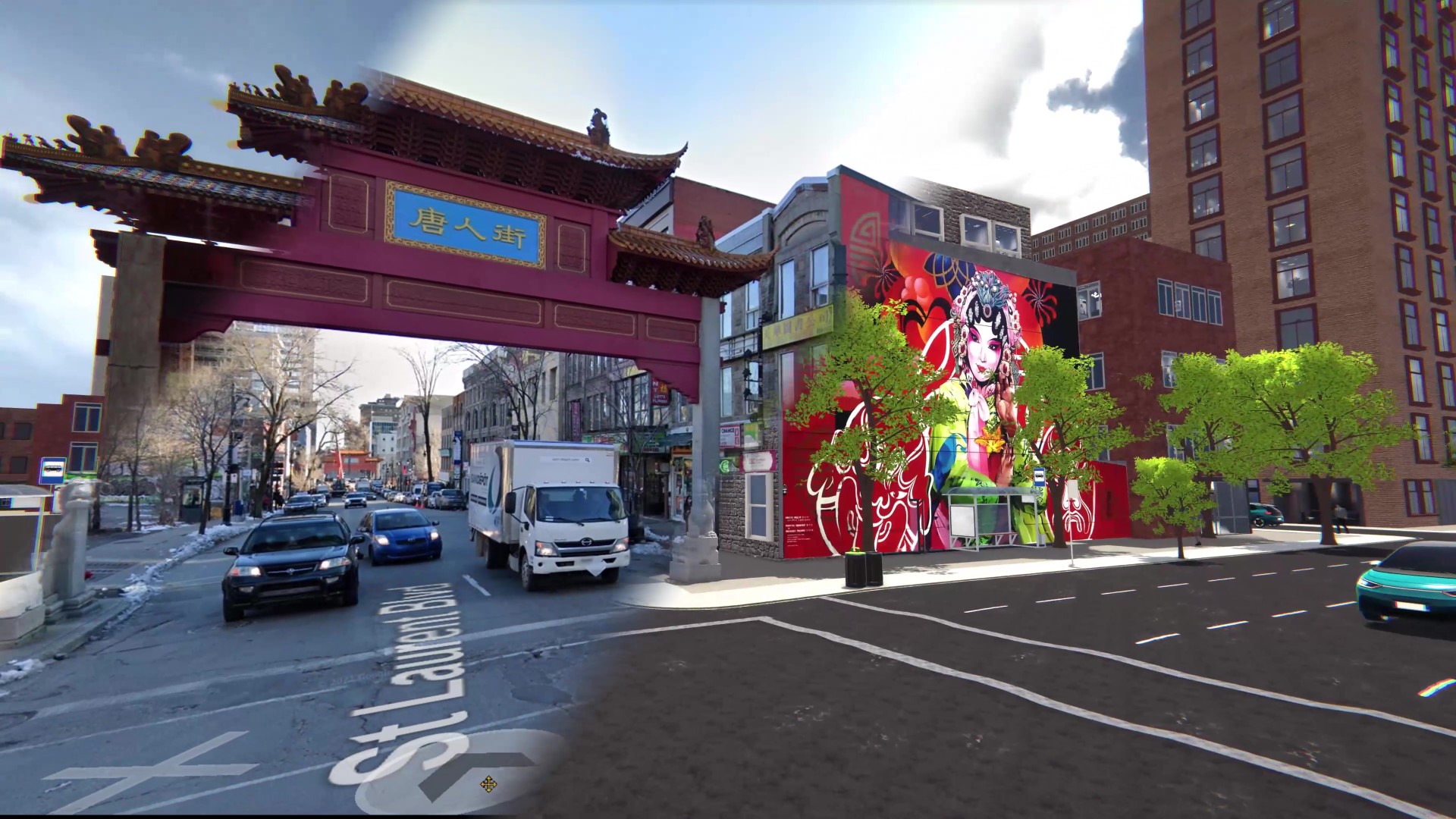
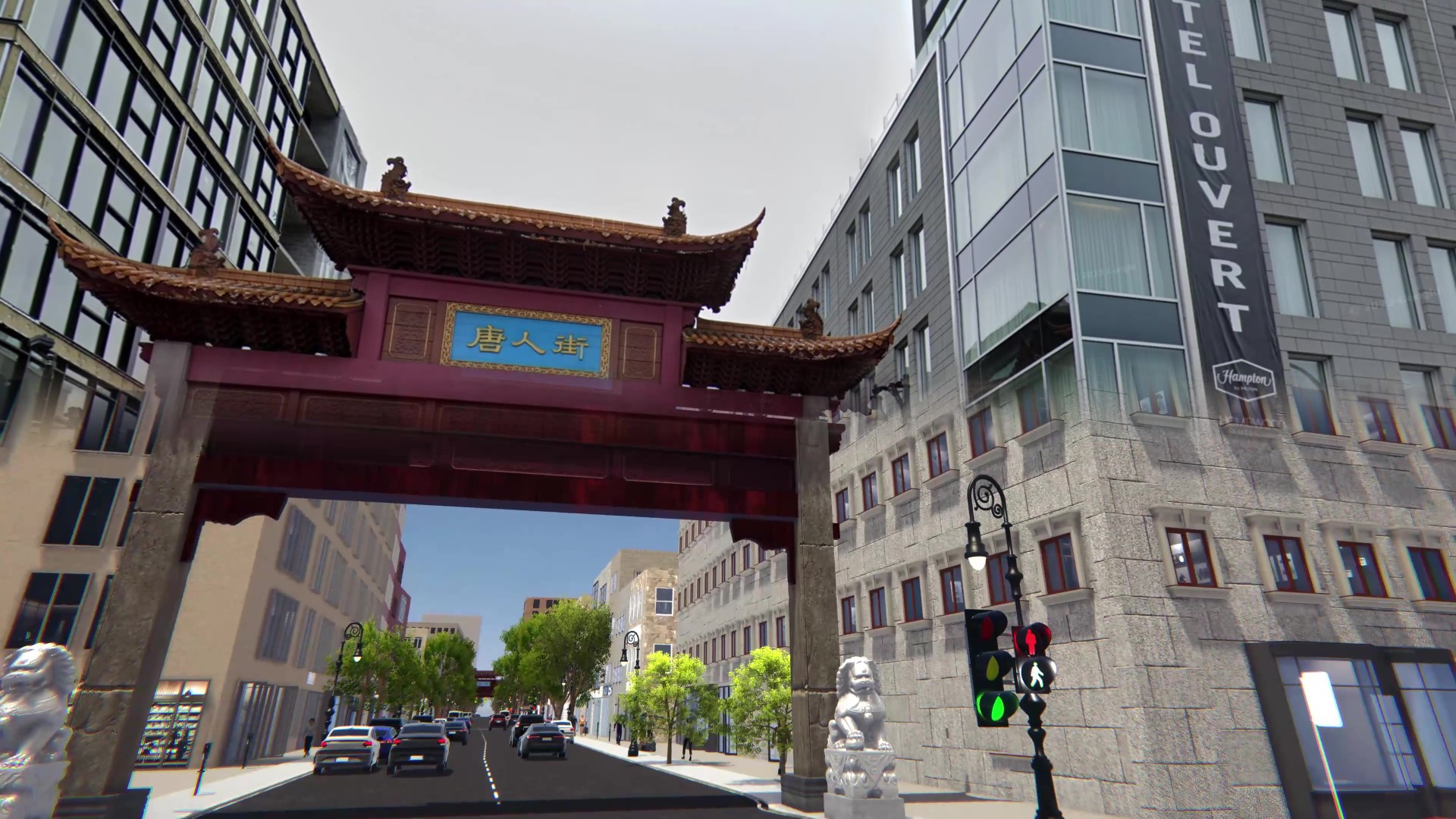
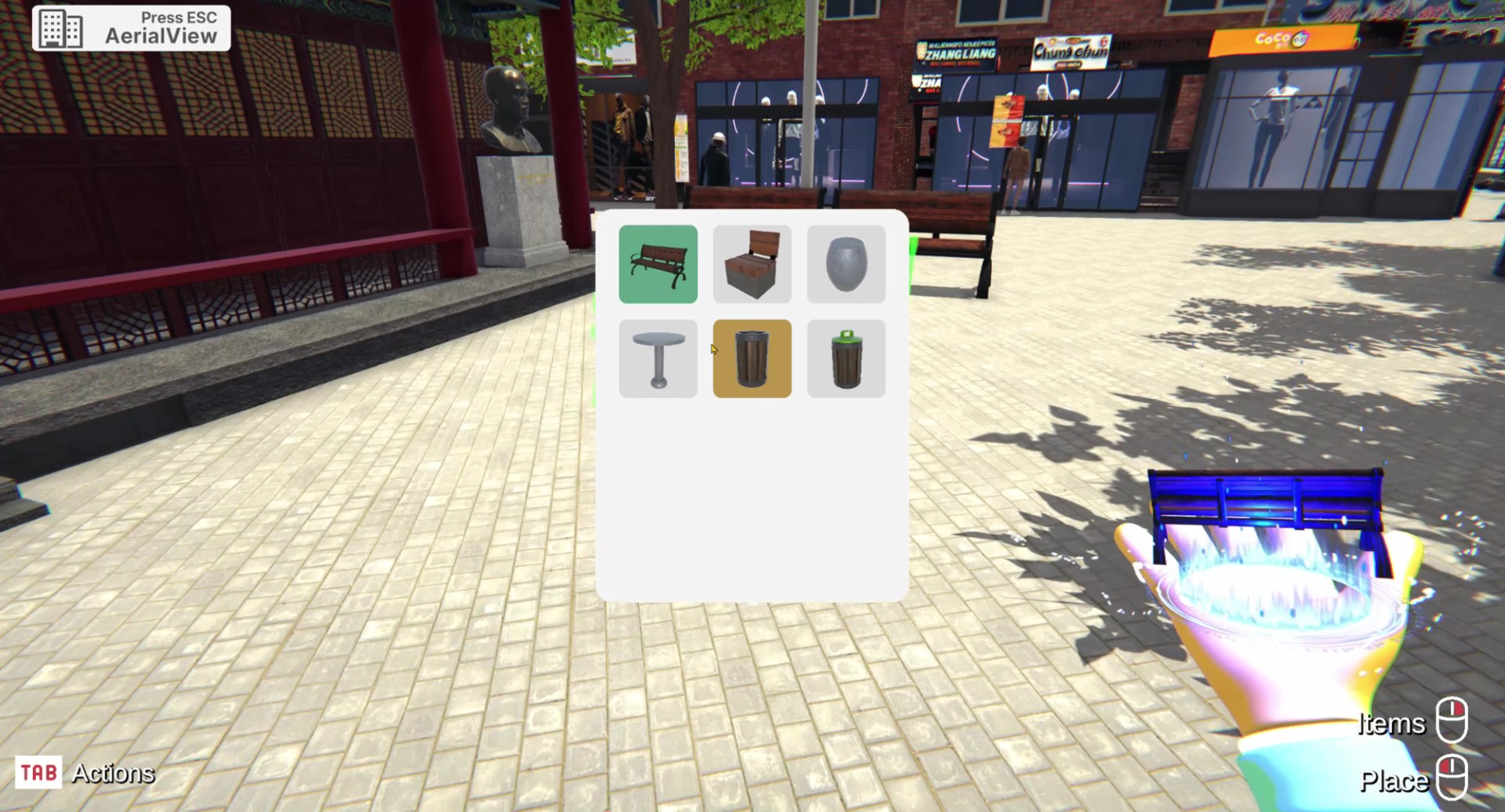
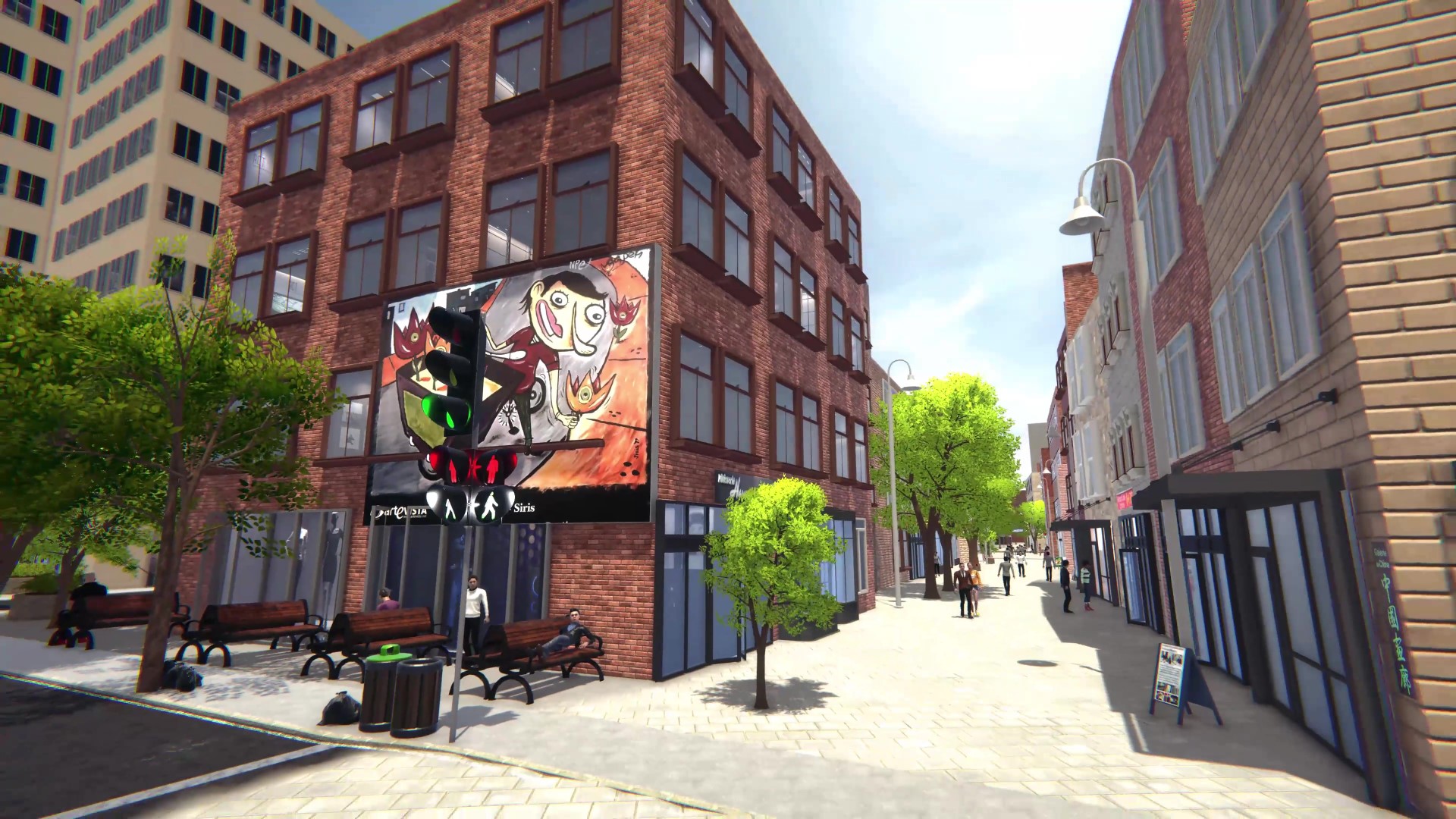
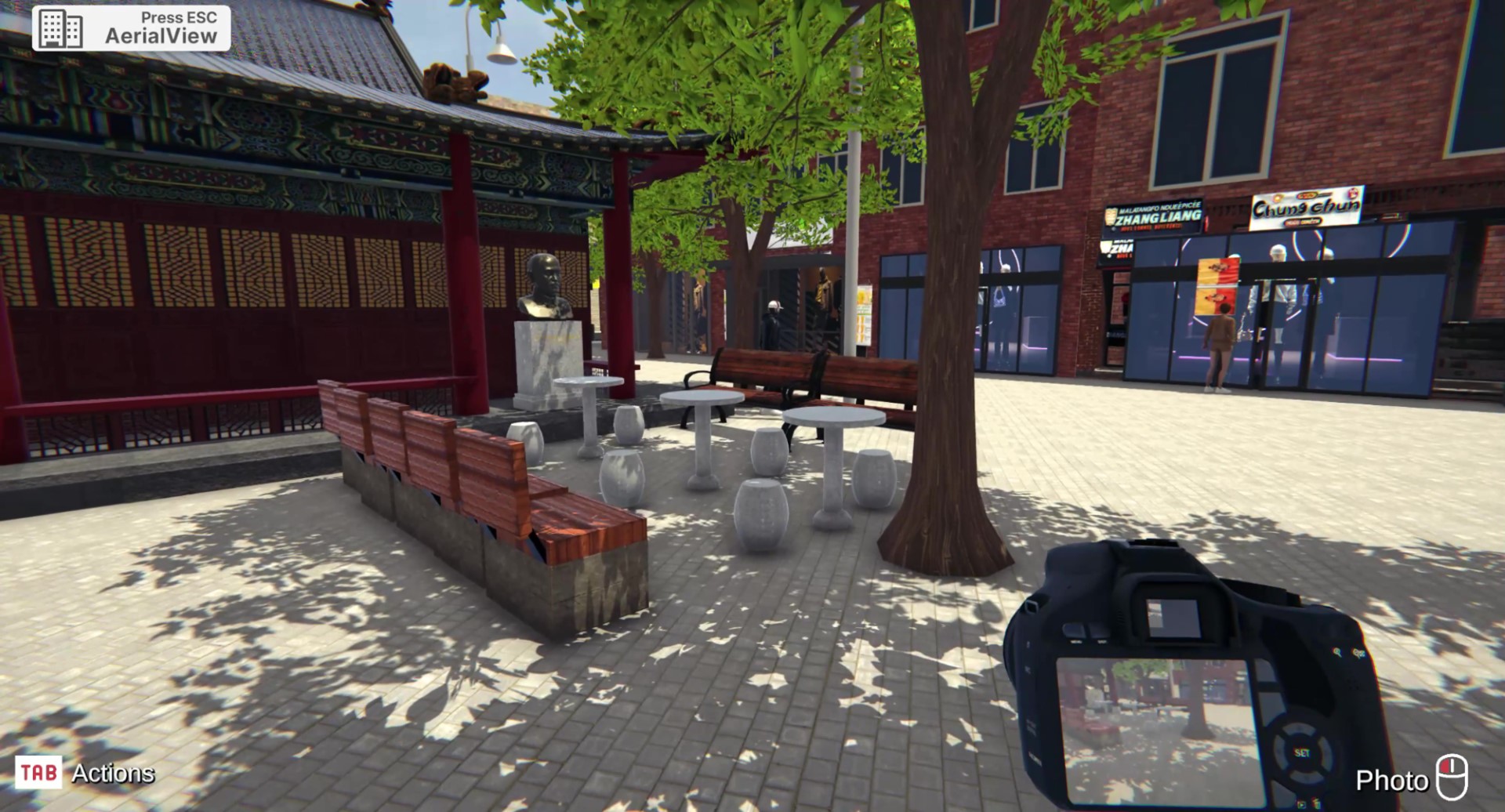
Contributed to the early-stage R&D for the City Player platform, focusing on the digital preservation of Montreal’s Chinatown district. The goal was to create a recognizable, interactive environment to engage the community in discussions about urban planning and heritage.
Data Integration Pipeline:
Implemented an automated modeling workflow that synthesized heterogeneous data sources:
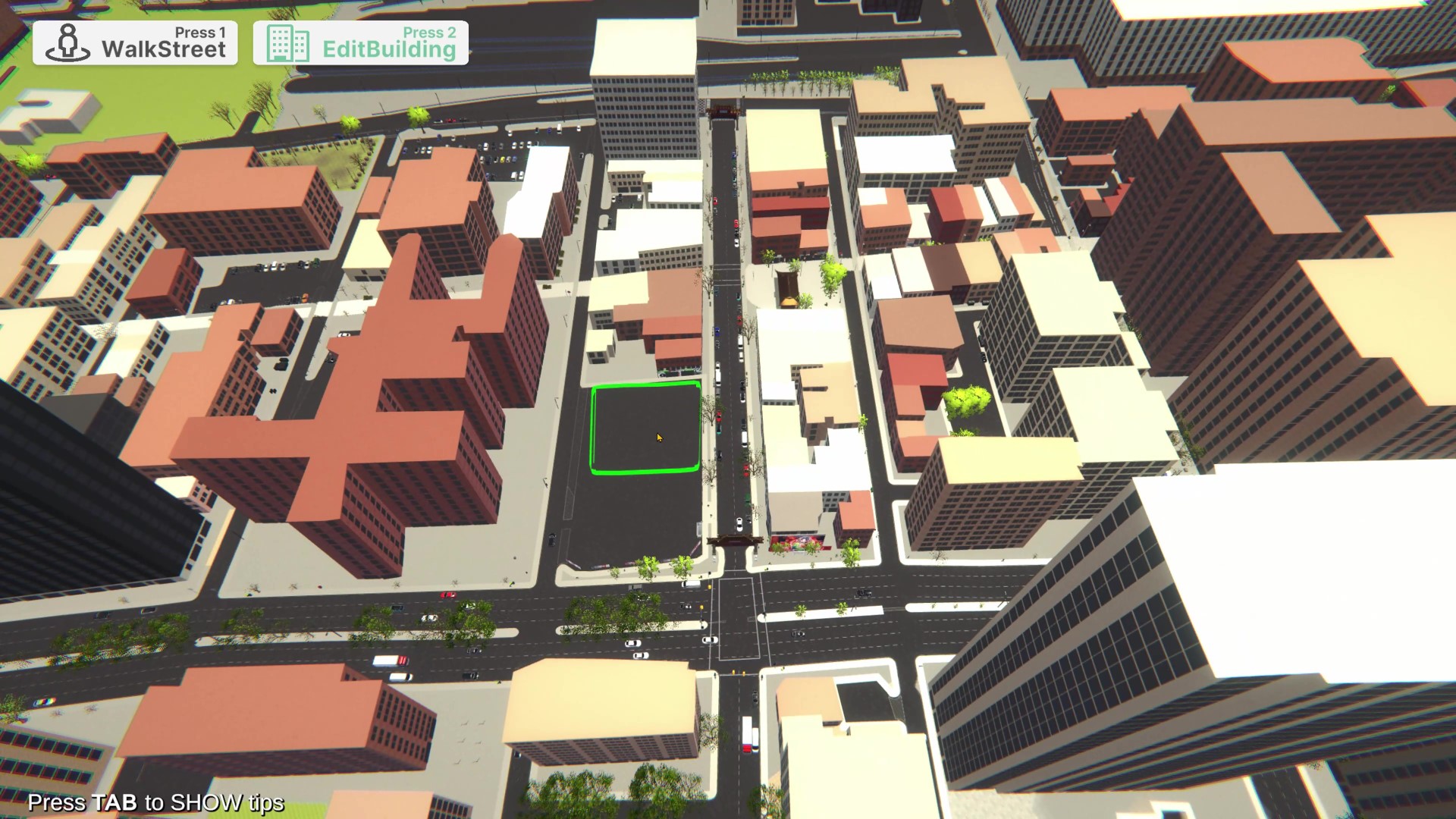
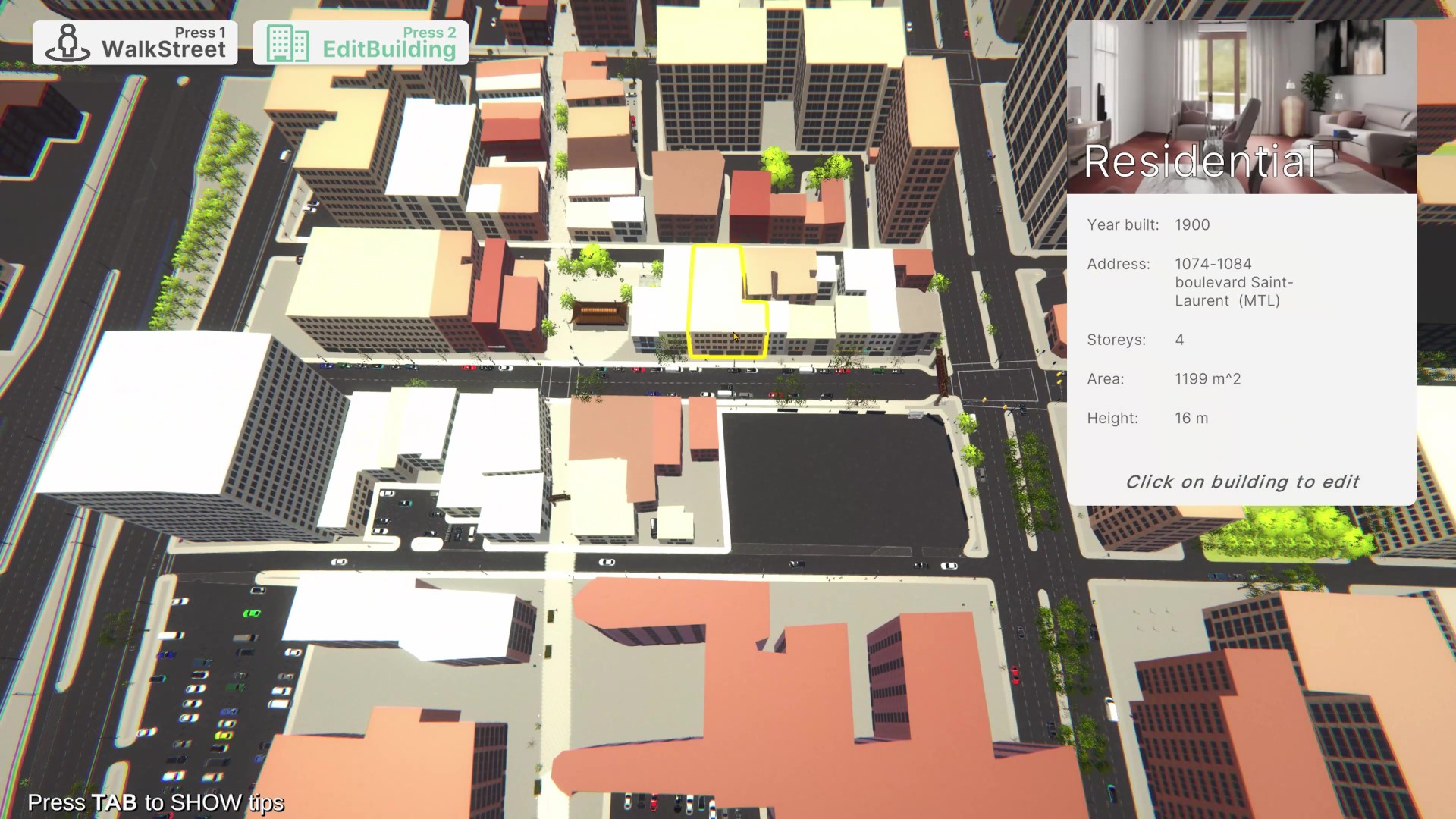
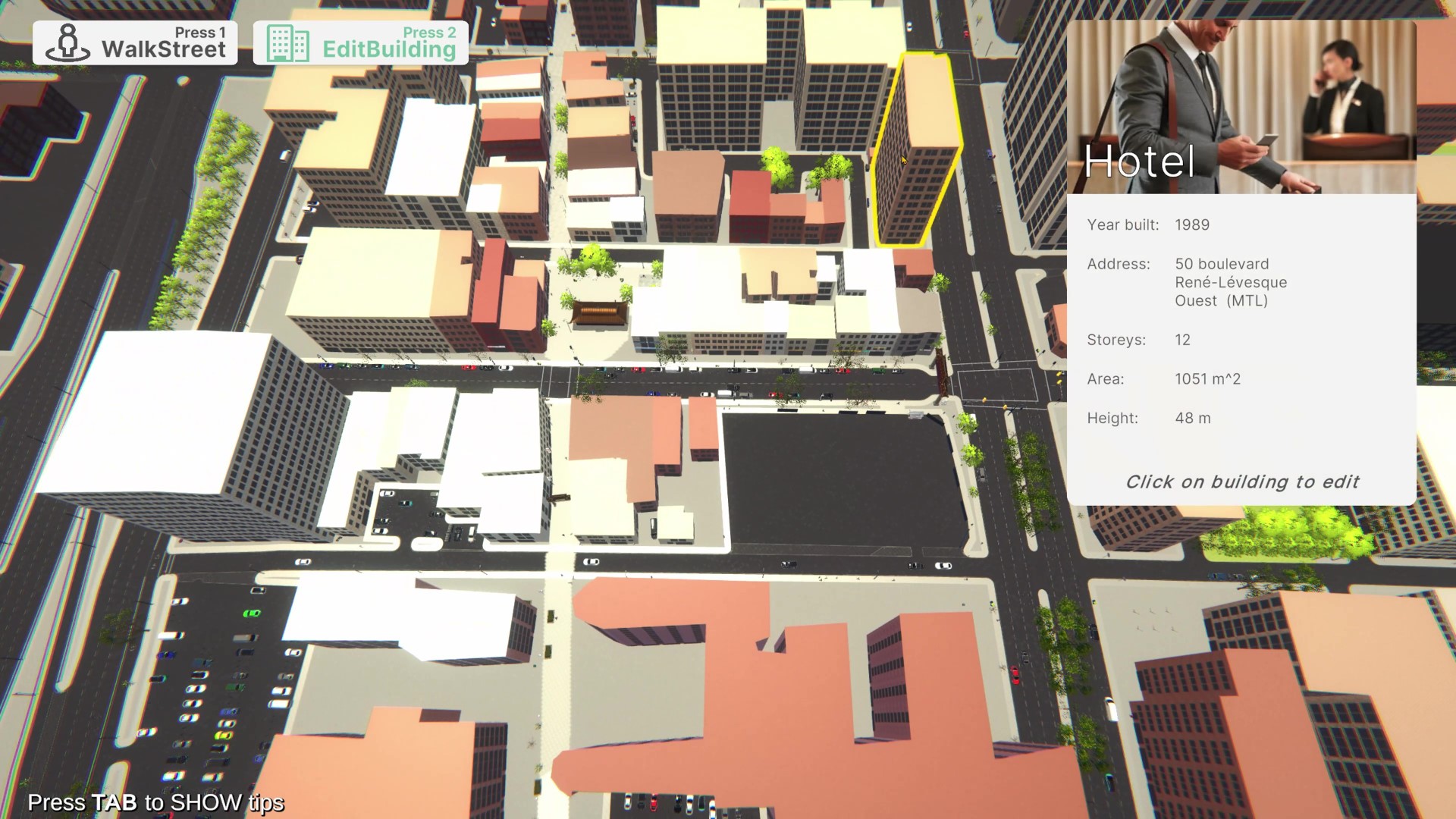
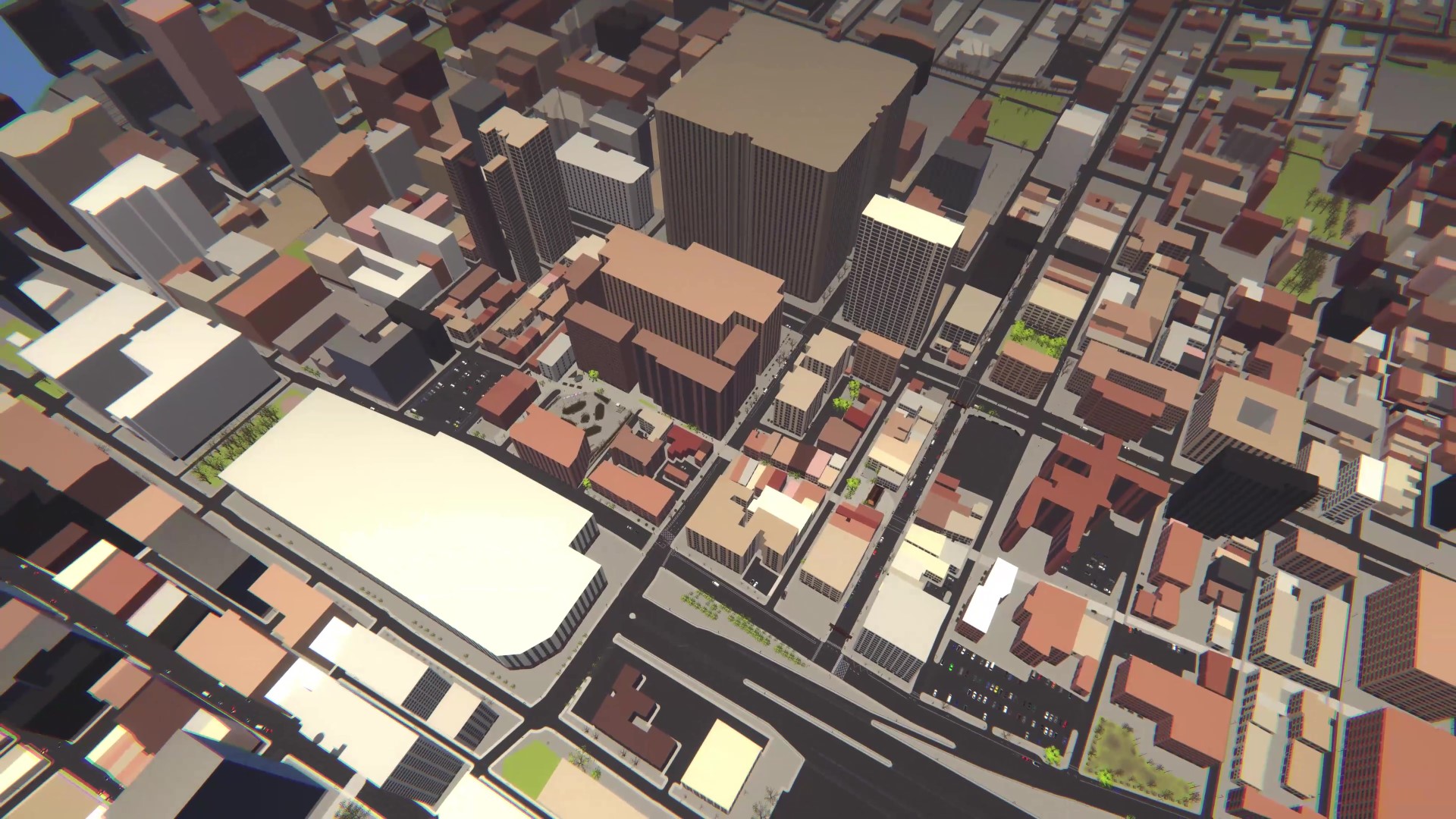
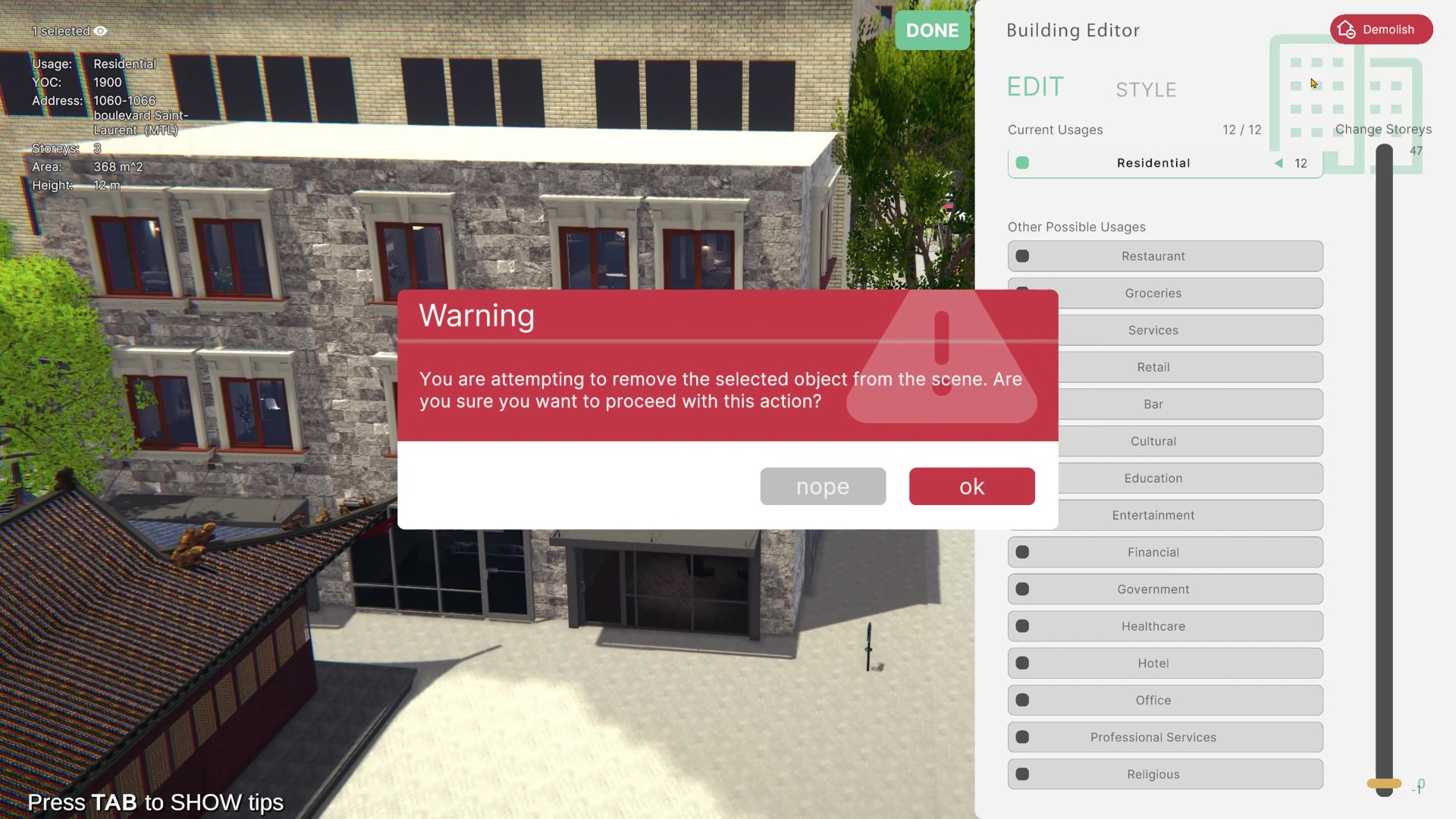
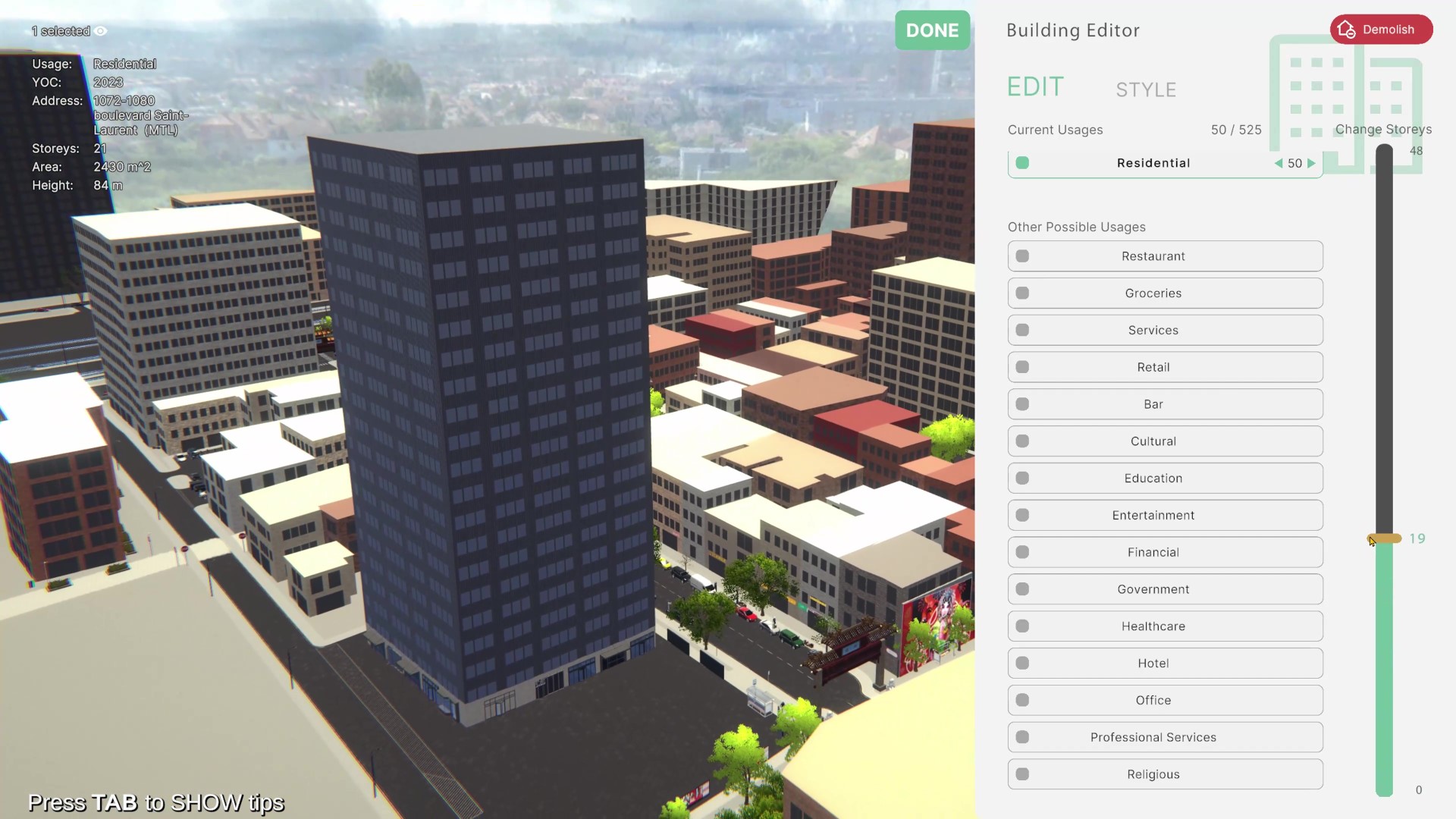
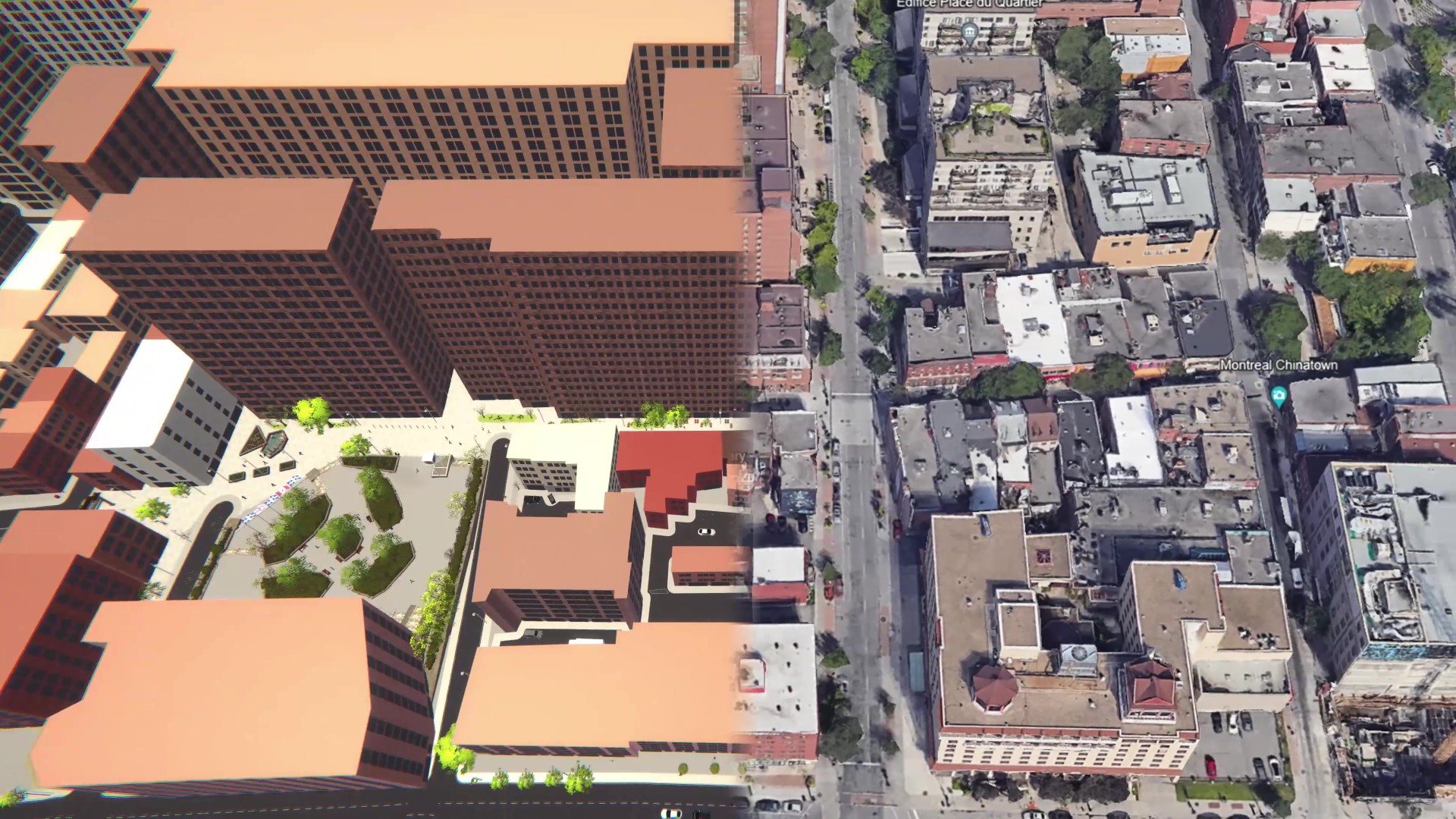
Data Ingestion: Parsed Satellite Data and public city records (GIS) to generate accurate building footprints and heights.
Visual Reference: Integrated Google Maps data to assist in the texture projection and facade detailing process.
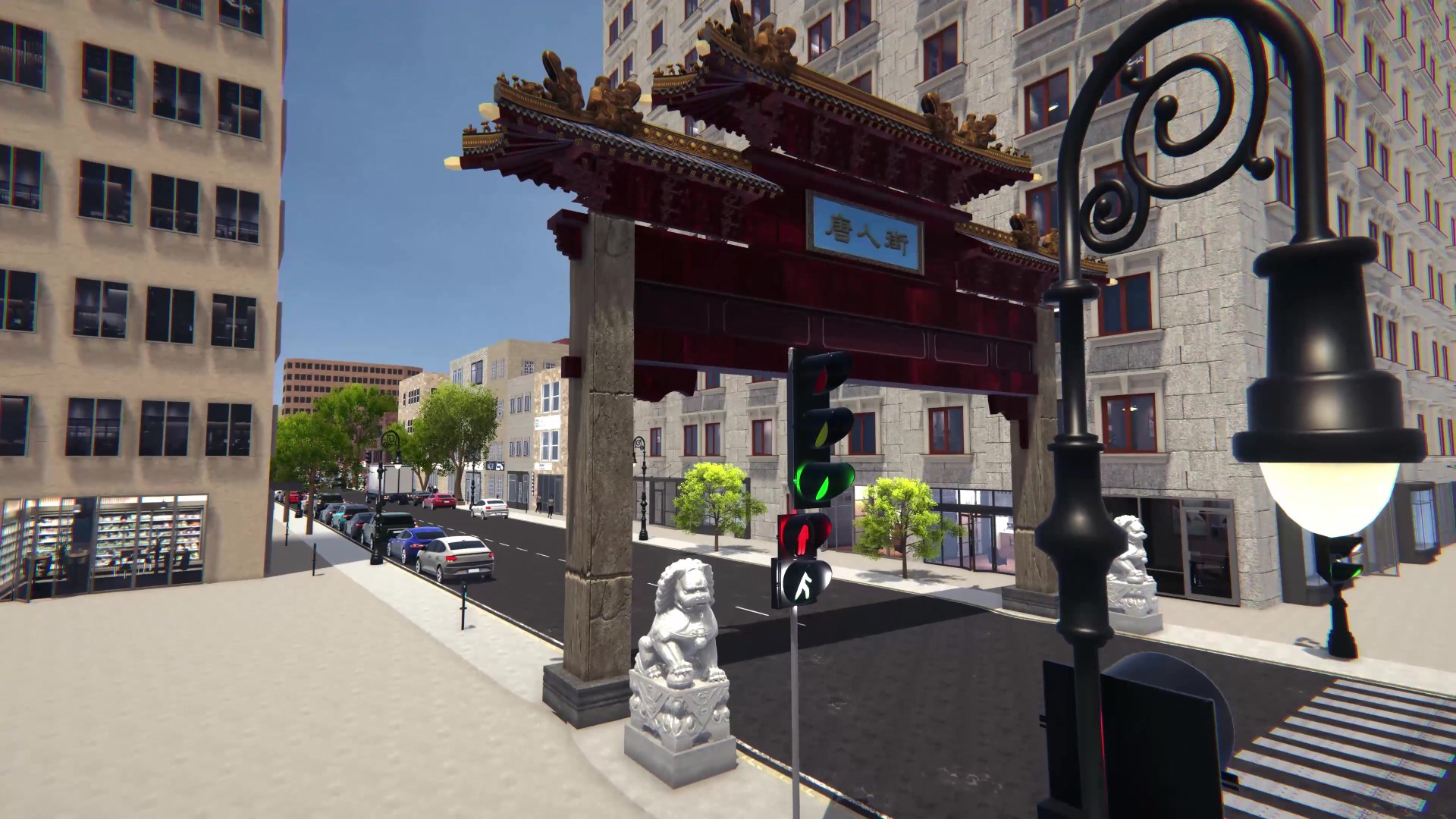
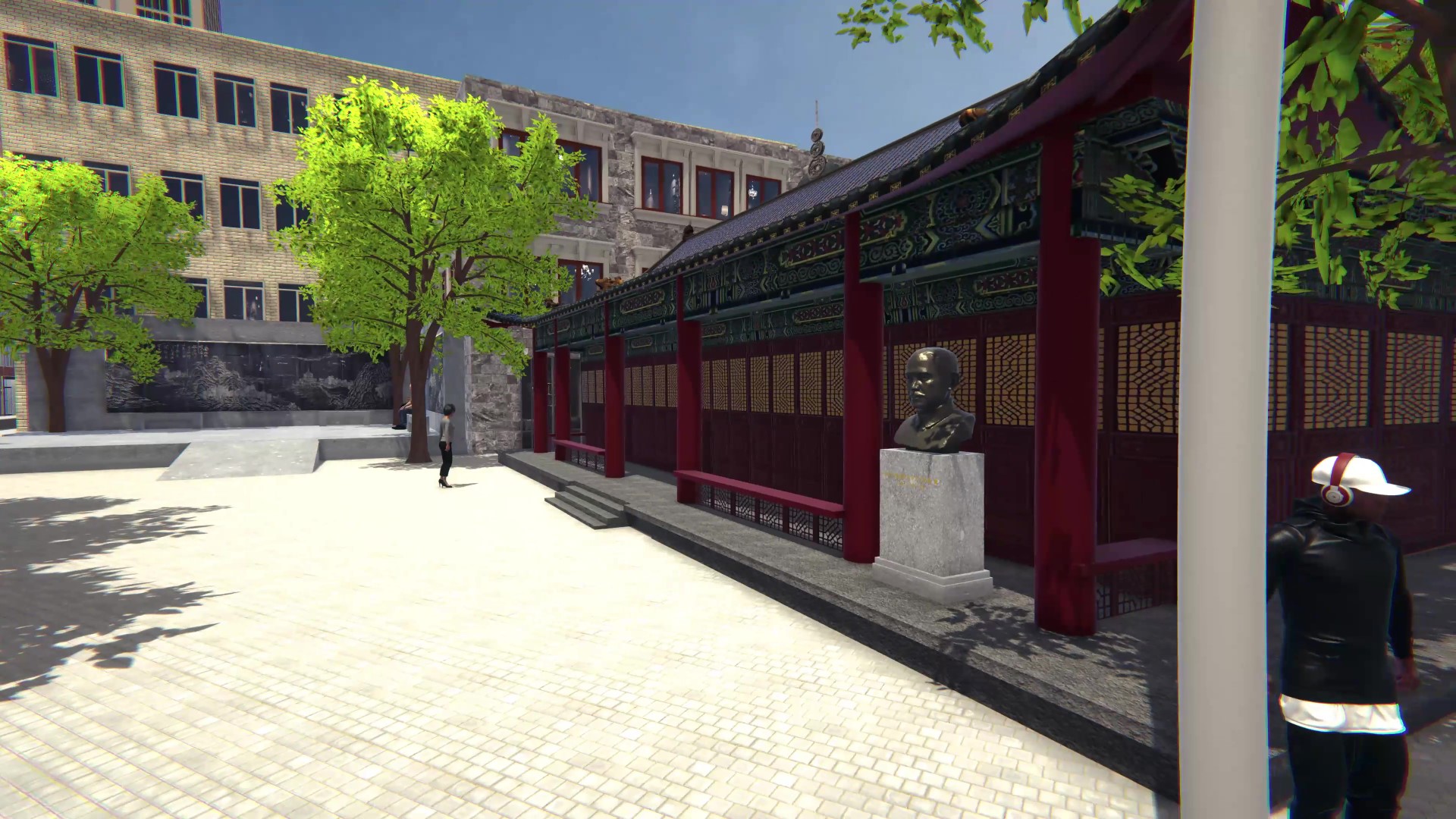
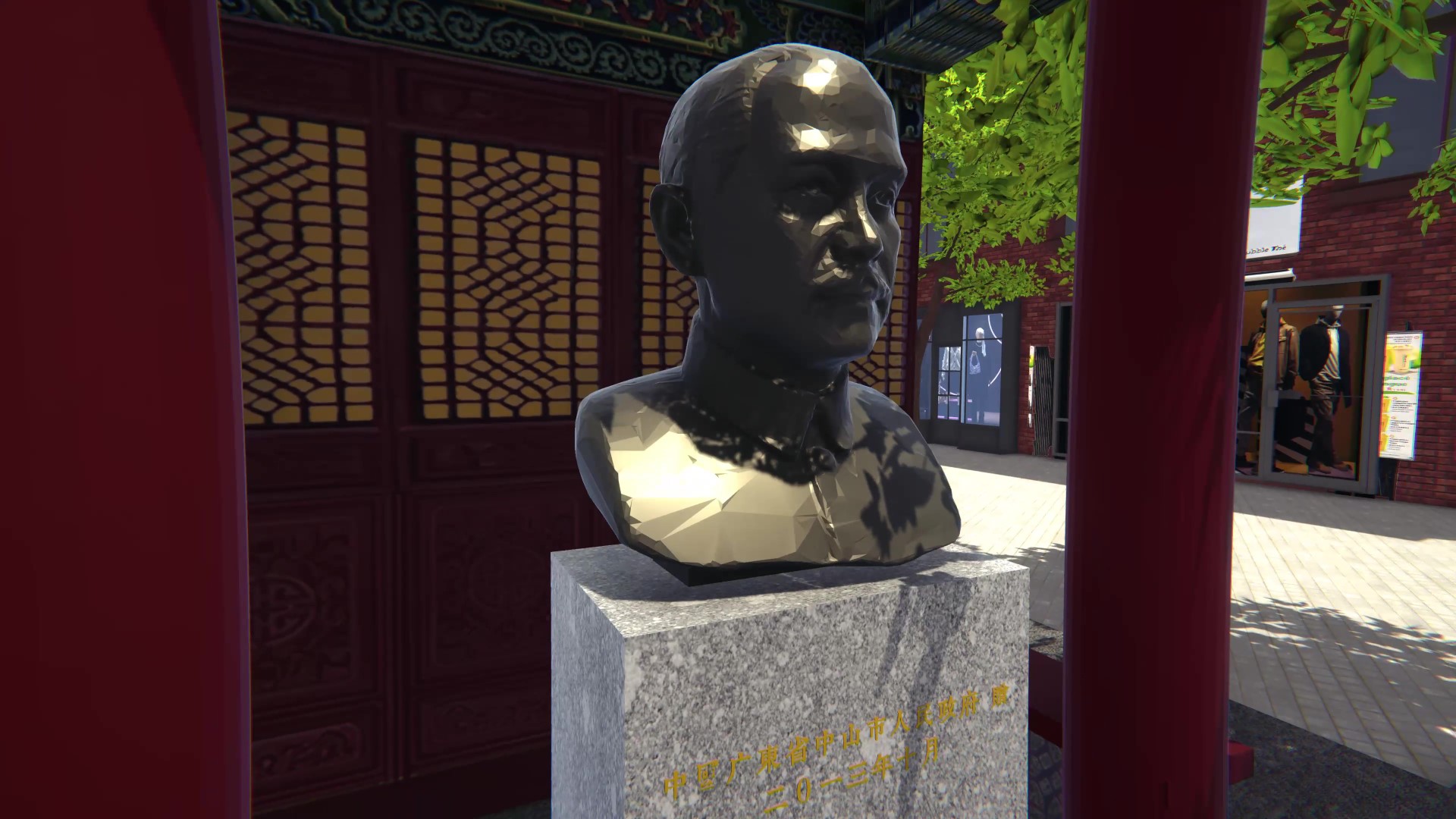
Digital Preservation: Reconstructing the Paifang (Gate) and District Layout
2. Procedural Facades & Depth Generation
The Challenge:
Standard satellite photogrammetry often results in “flat” textures lacking depth.
The Solution:
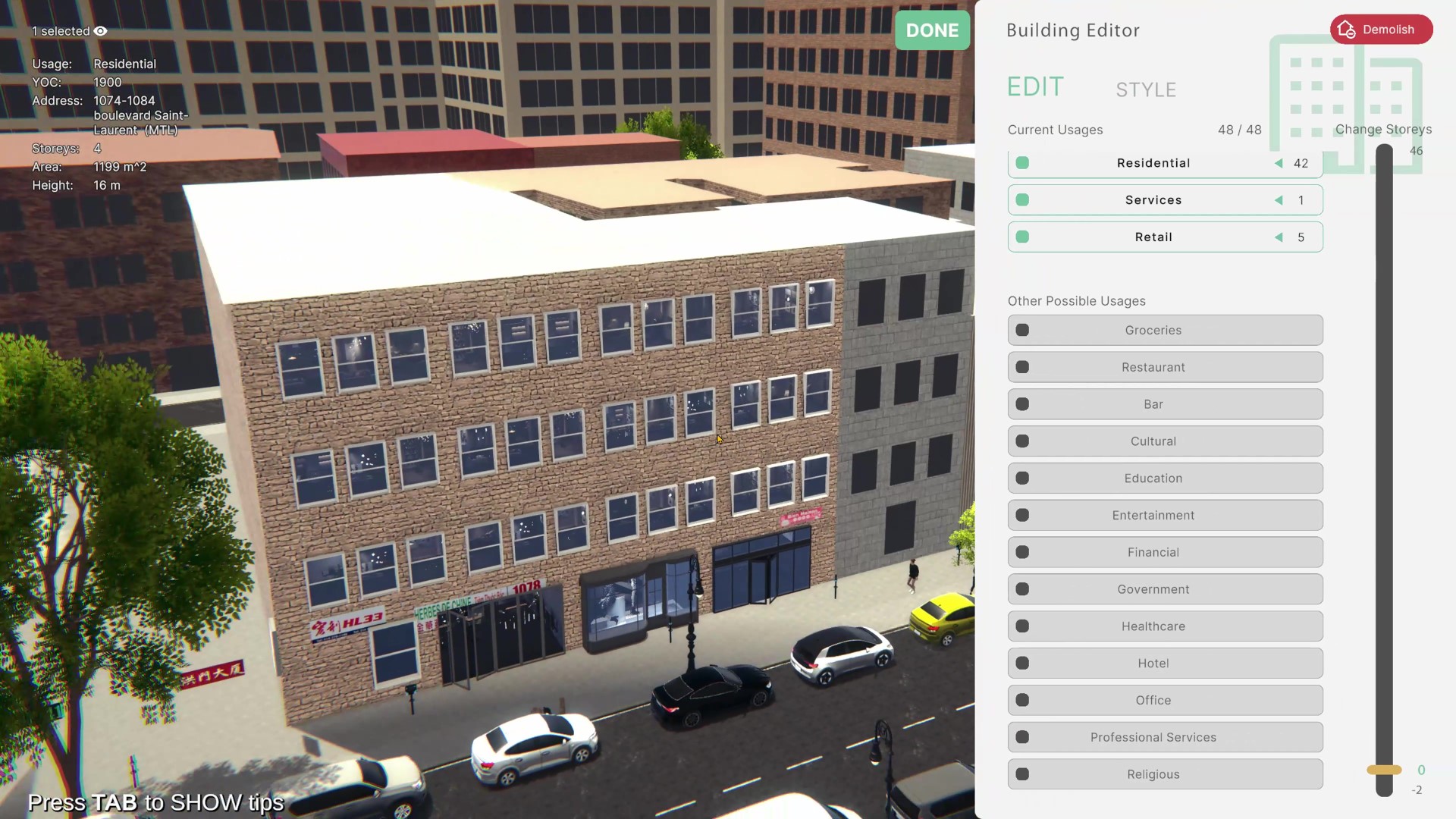
Developed a Procedural Facade System to inject visual fidelity:
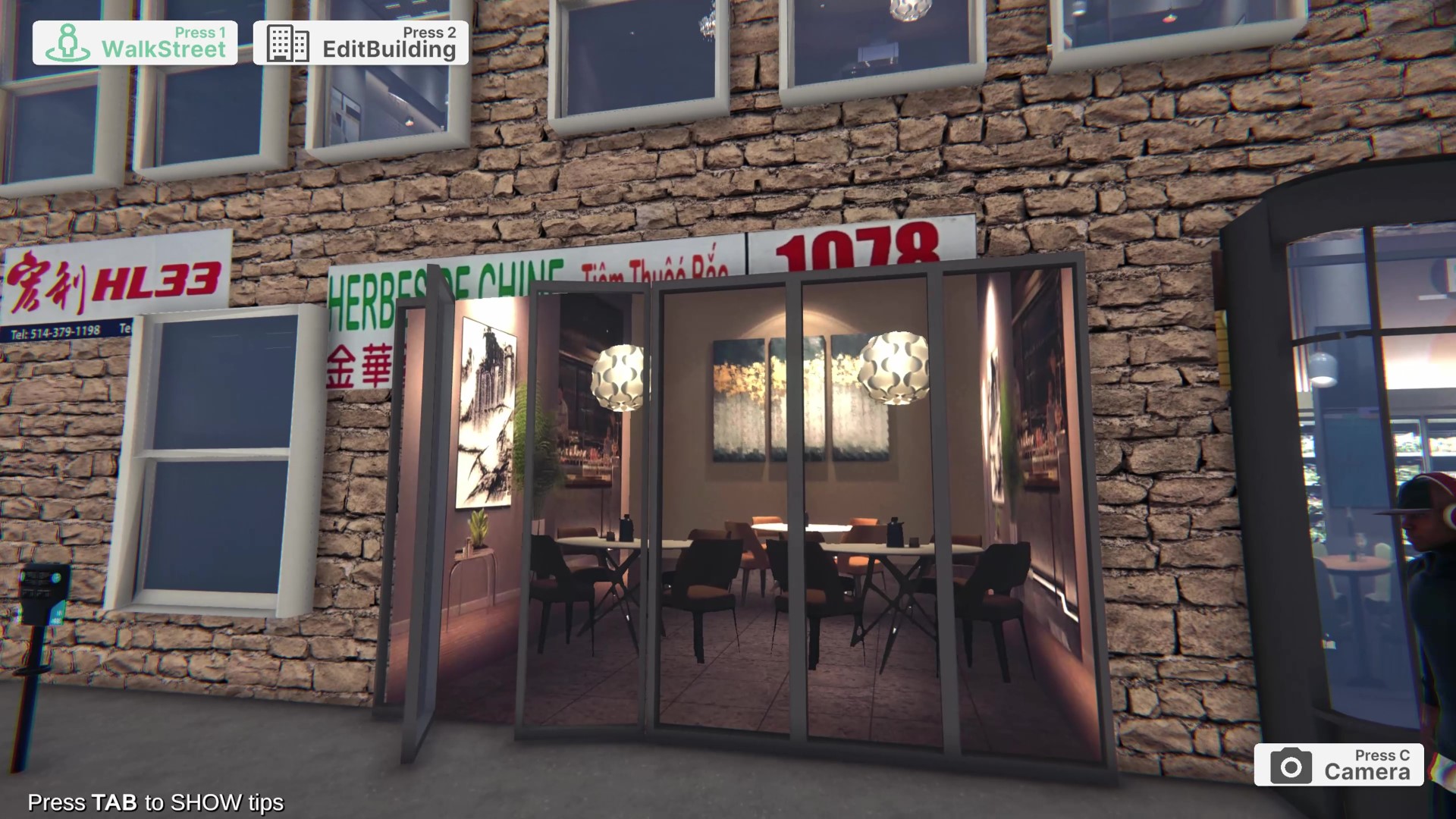
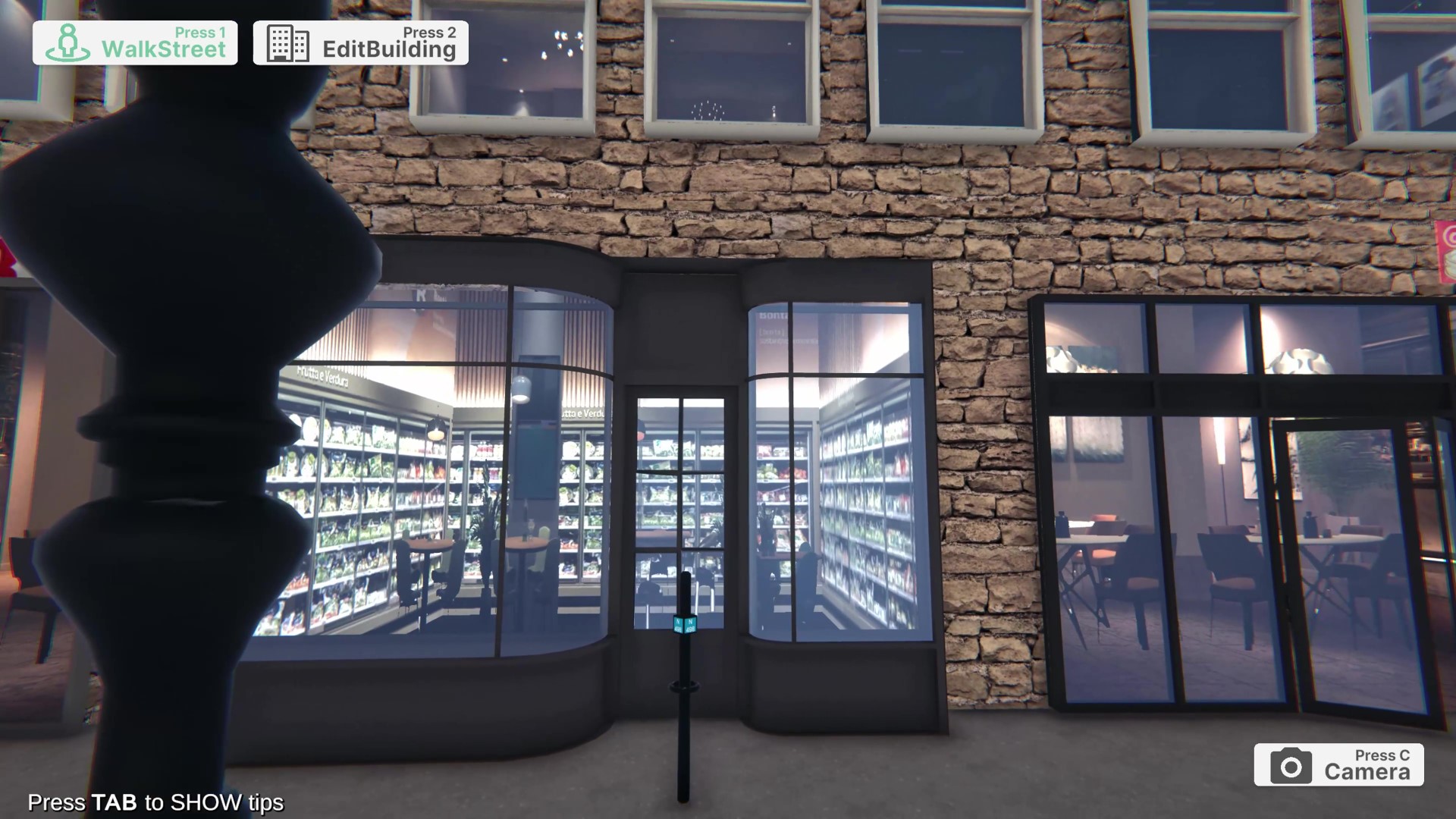
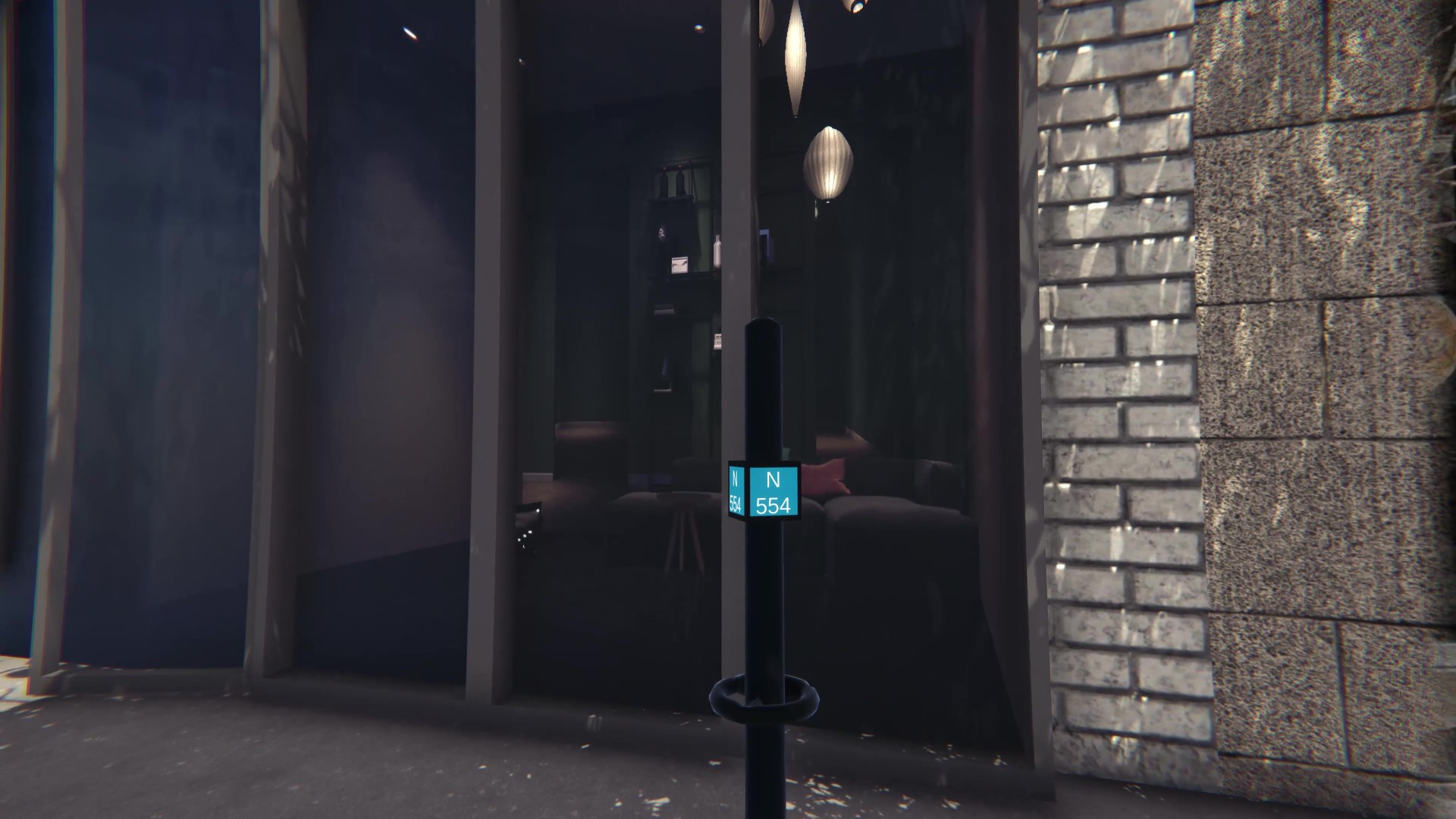
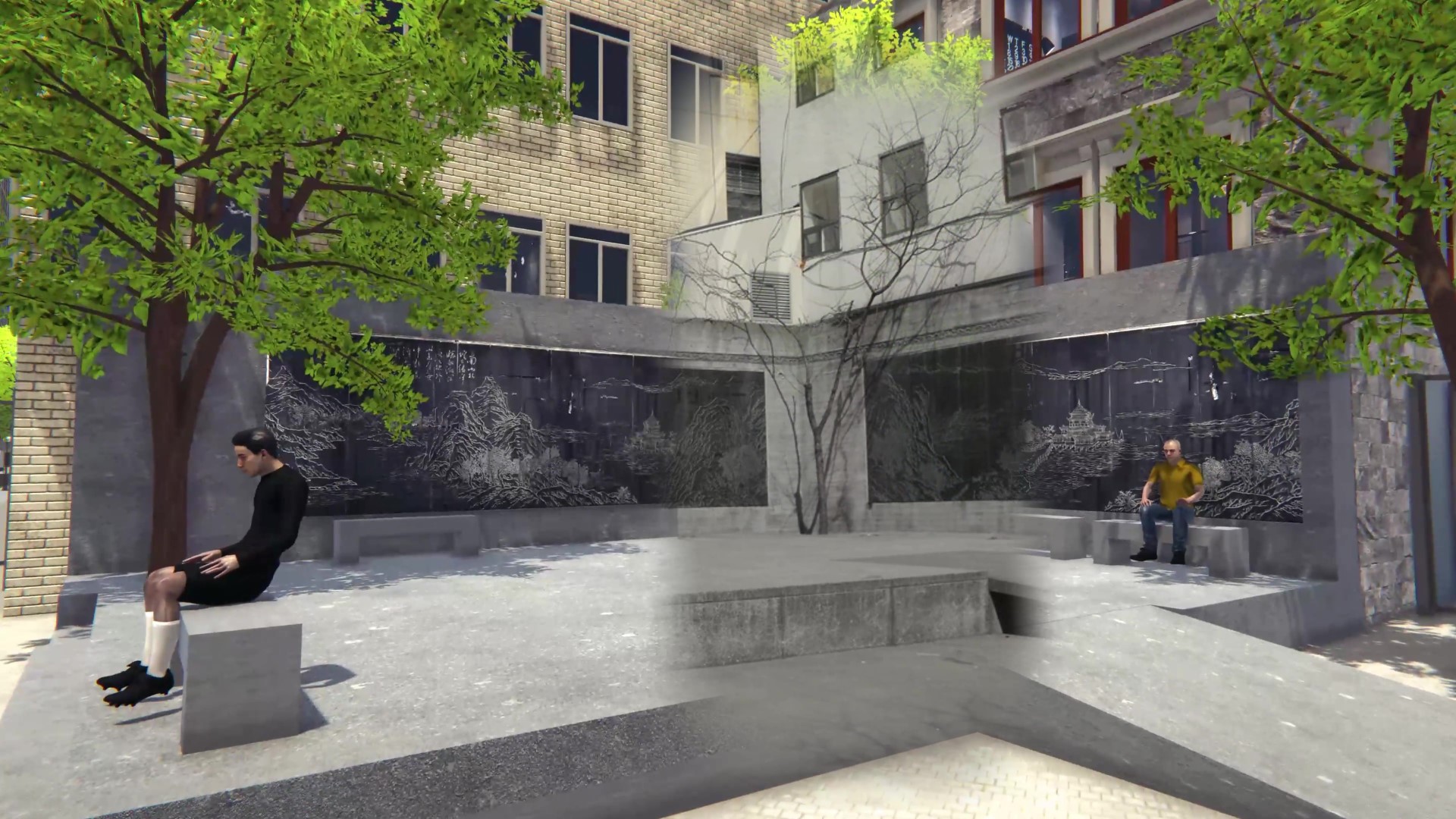
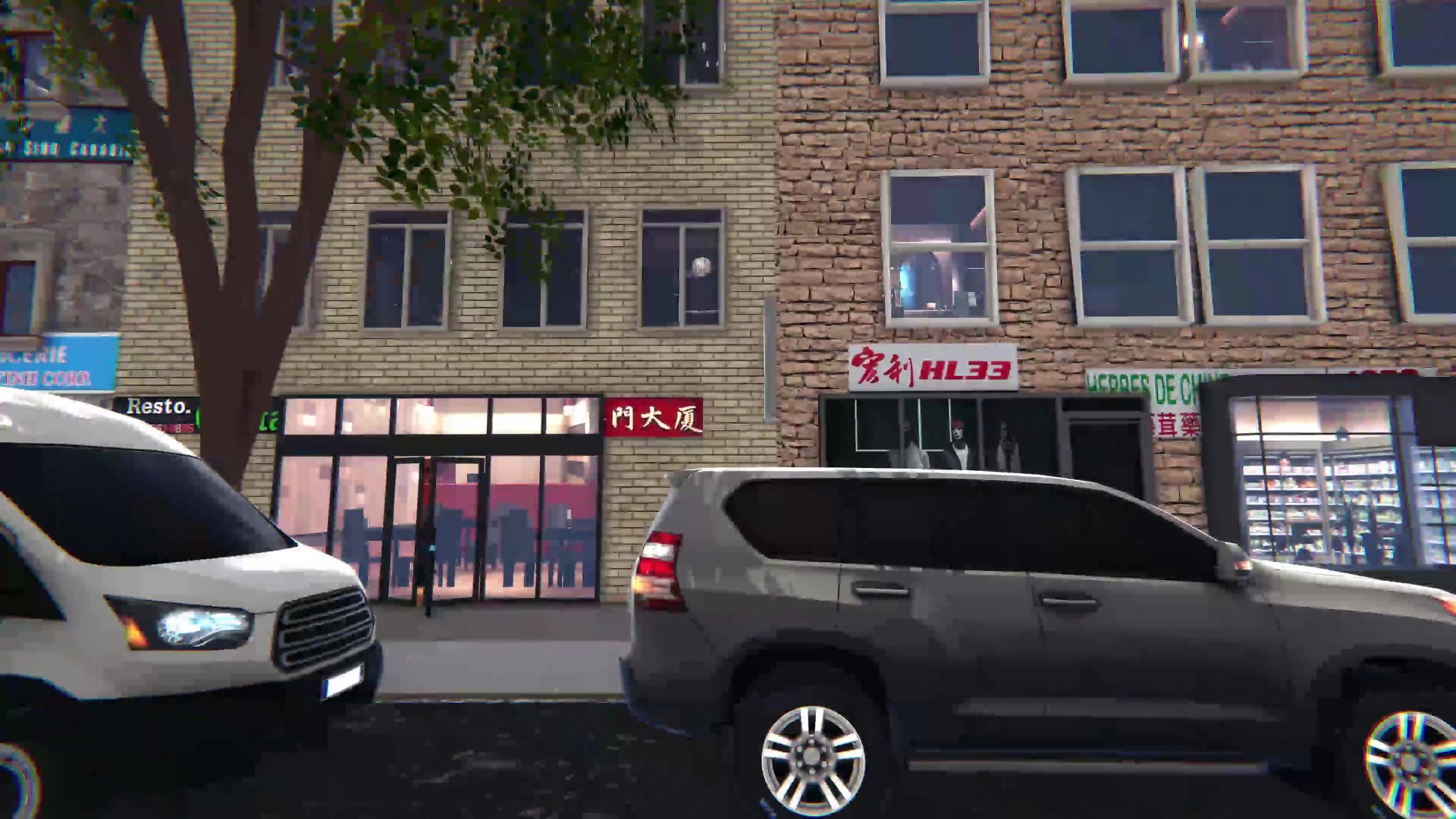
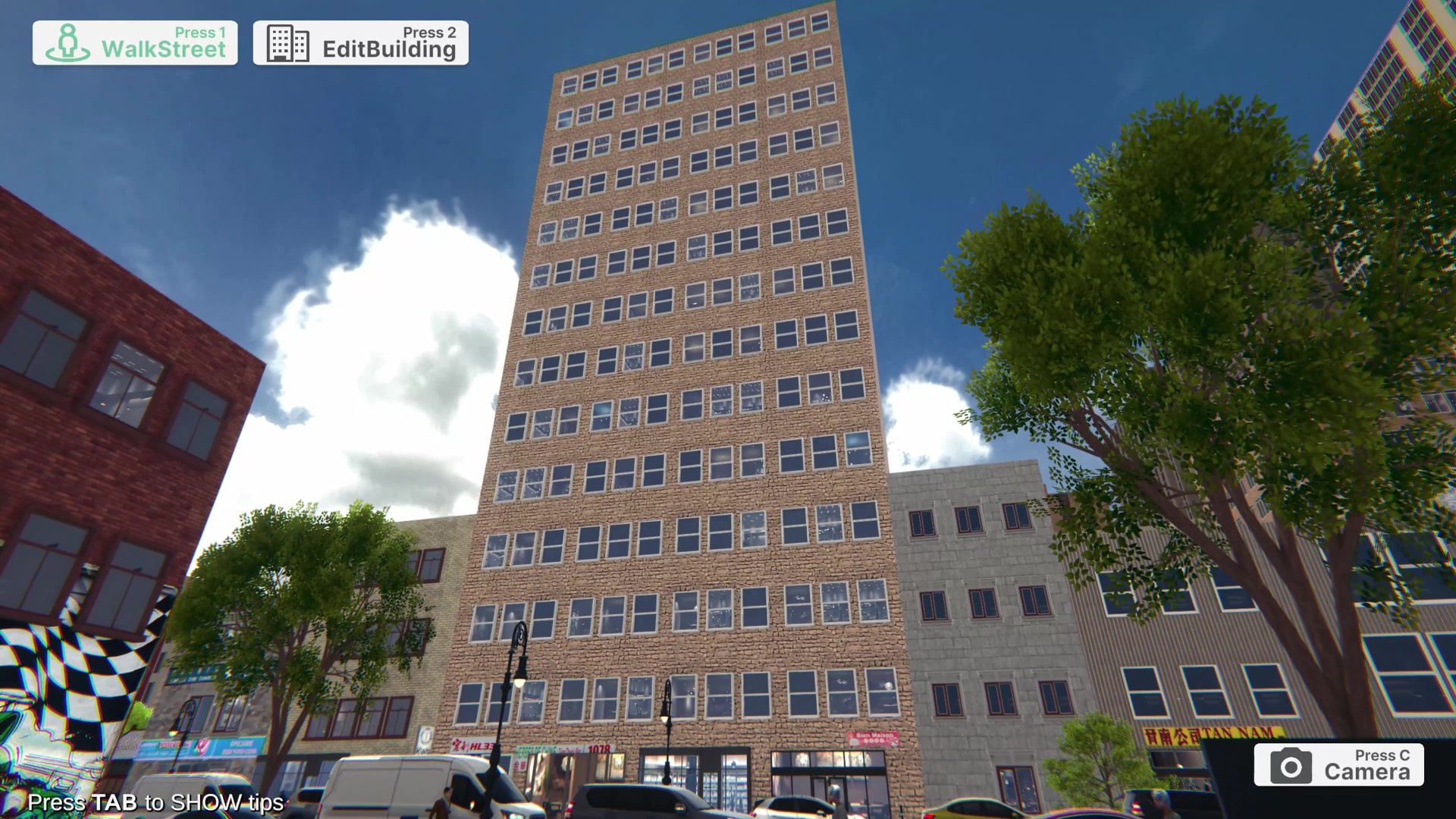
Window Logic: Implemented a system to generate procedural window frames and Fake Interiors based on building function.
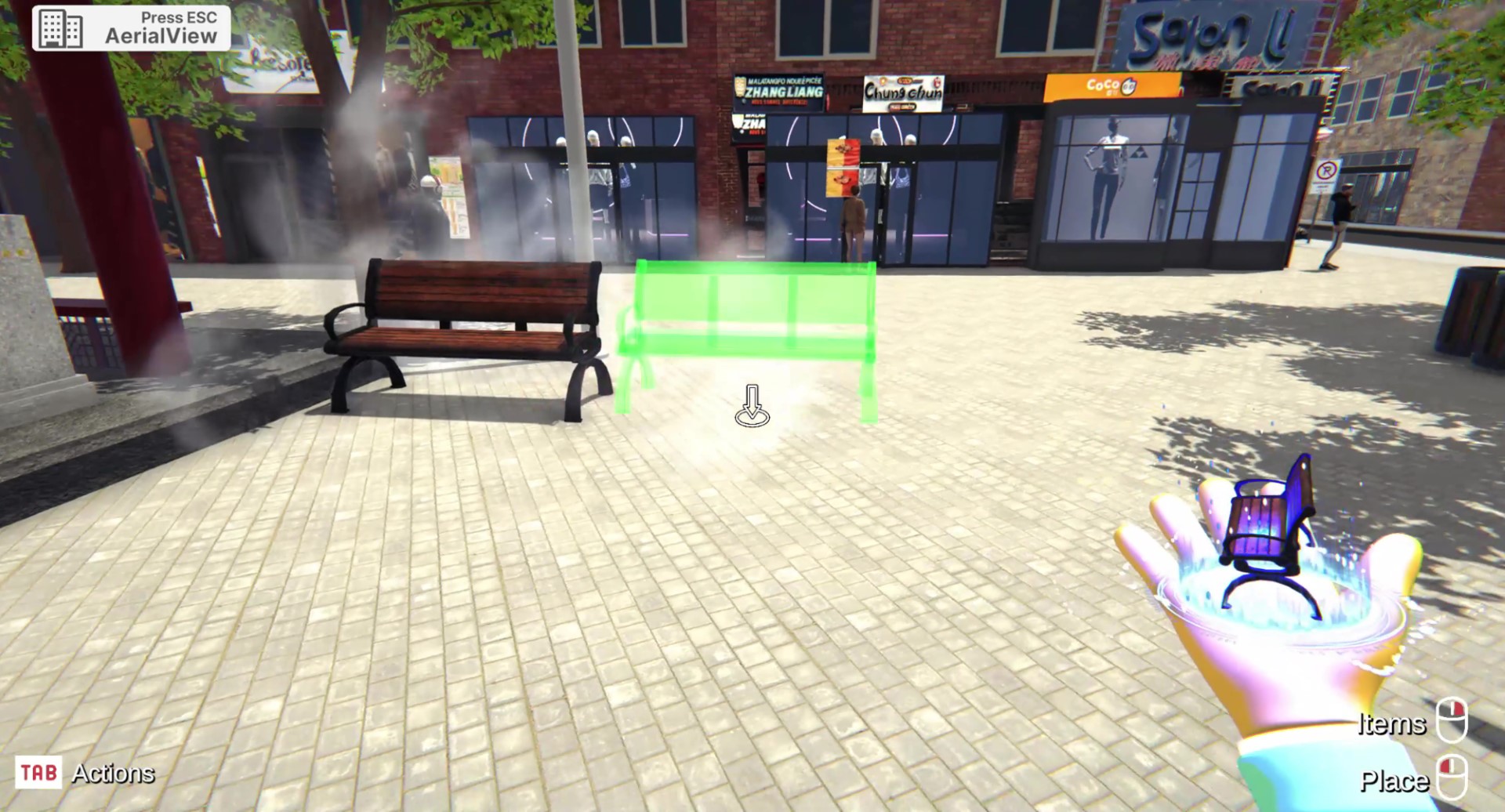
Dynamic Styling: The system allowed for adjustable styles based on the angle of view, creating a layered visual depth that mimics complex geometry without the high polygon cost of modeling every window sill.
Procedural Detailing: Adding depth to flat building data
3. AI-Assisted Asset Optimization
Vegetation Classification (AI Workflow):
Faced with a chaotic dataset of over 100 unclassified urban plant assets, I devised an AI-assisted sorting workflow:
AI Analysis: Utilized ChatGPT to analyze botanical names and metadata, classifying the 100+ types into functional categories (e.g., “Street Canopy”, “Decorative Shrub”).
Consolidation: Based on this classification, I consolidated the library into 10 high-quality, reusable “Master Models”.
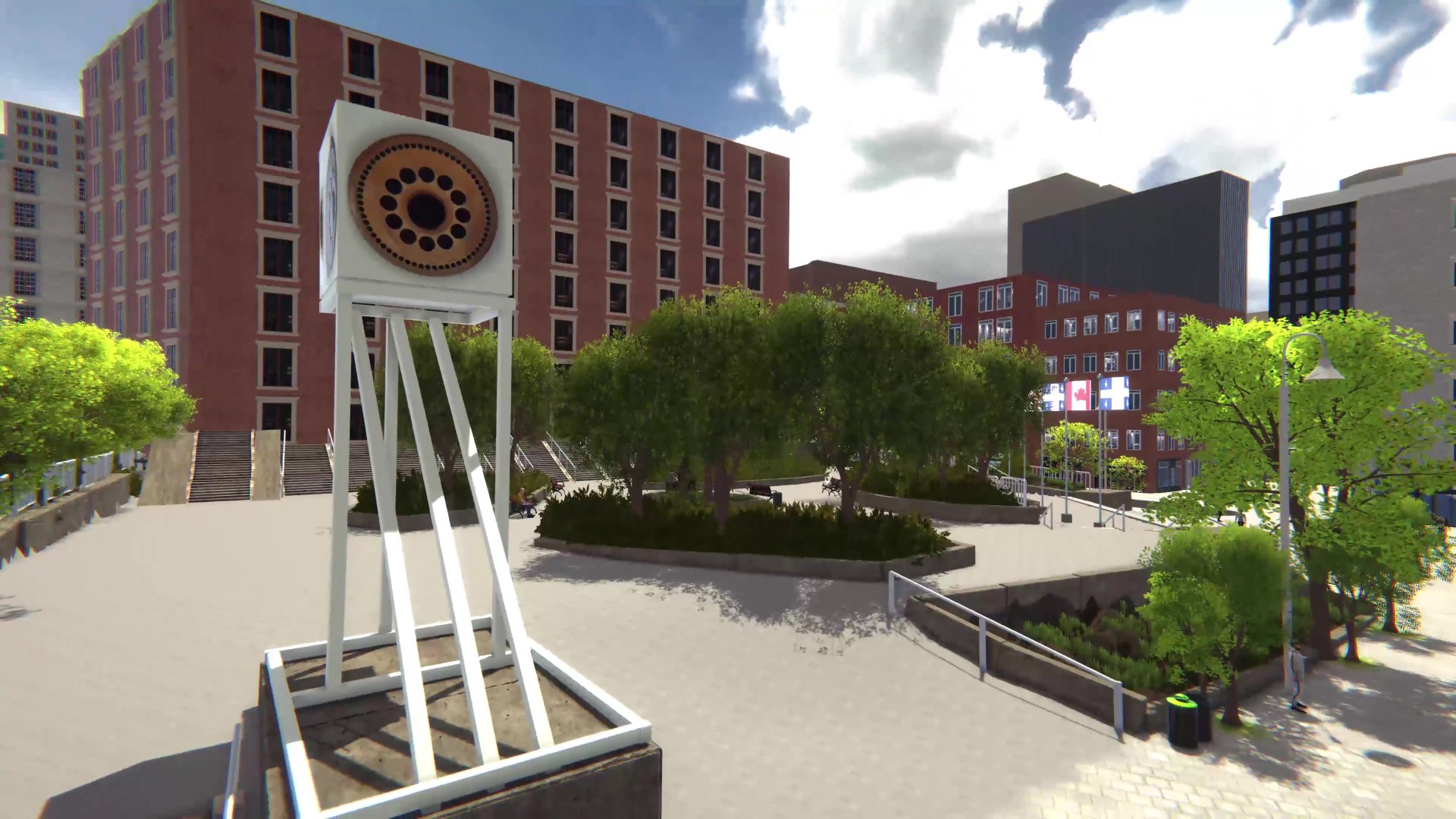
Impact: This dramatically improved scene organization (Hierarchy cleanup) and runtime efficiency (GPU Instancing) without sacrificing ecological variety.
Performance Tuning:
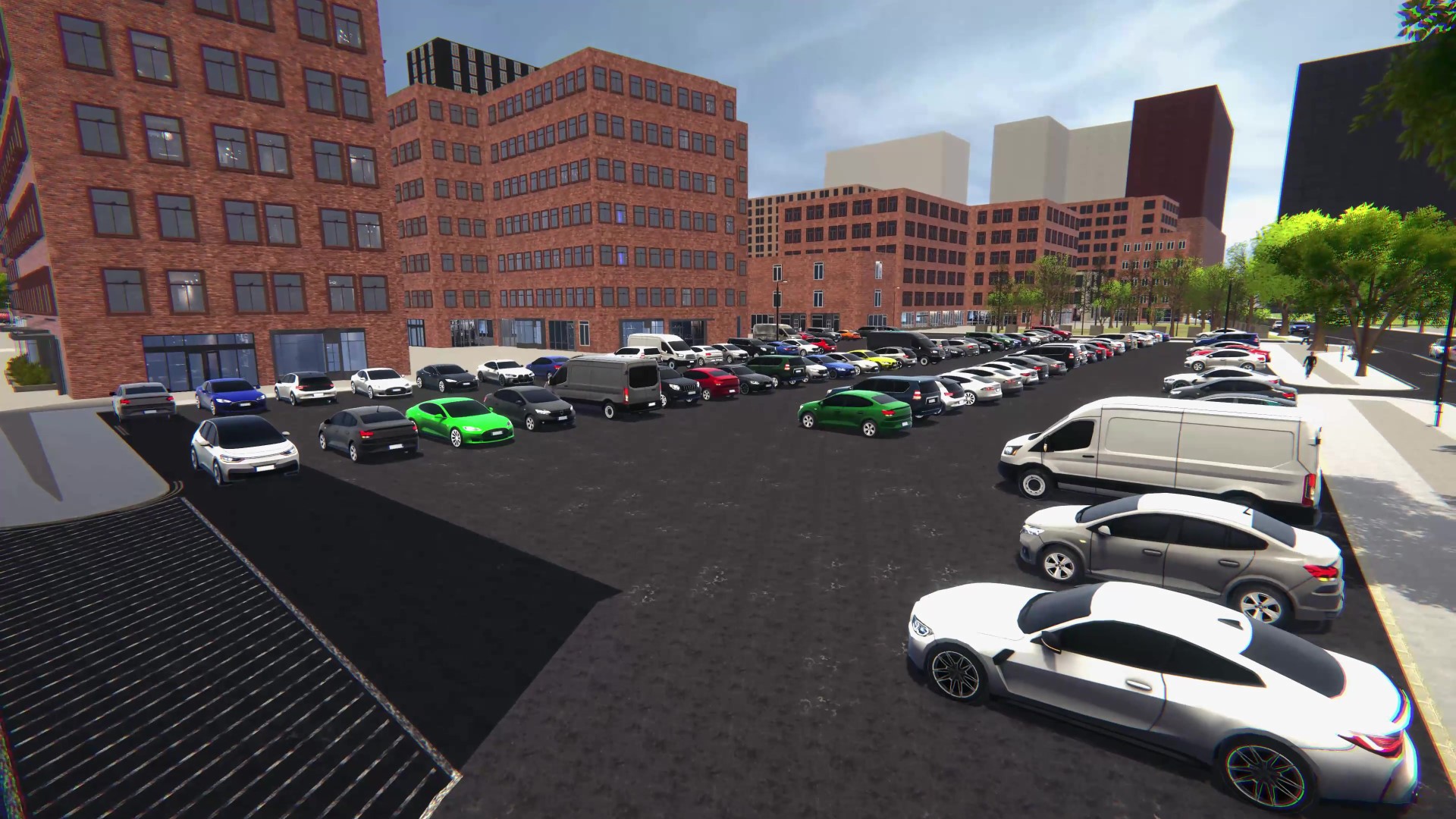
Optimized the district by implementing aggressive LOD (Level of Detail) groups and Mesh Merging strategies to reduce Draw Calls in the dense urban environment.