Gallery
No video available.
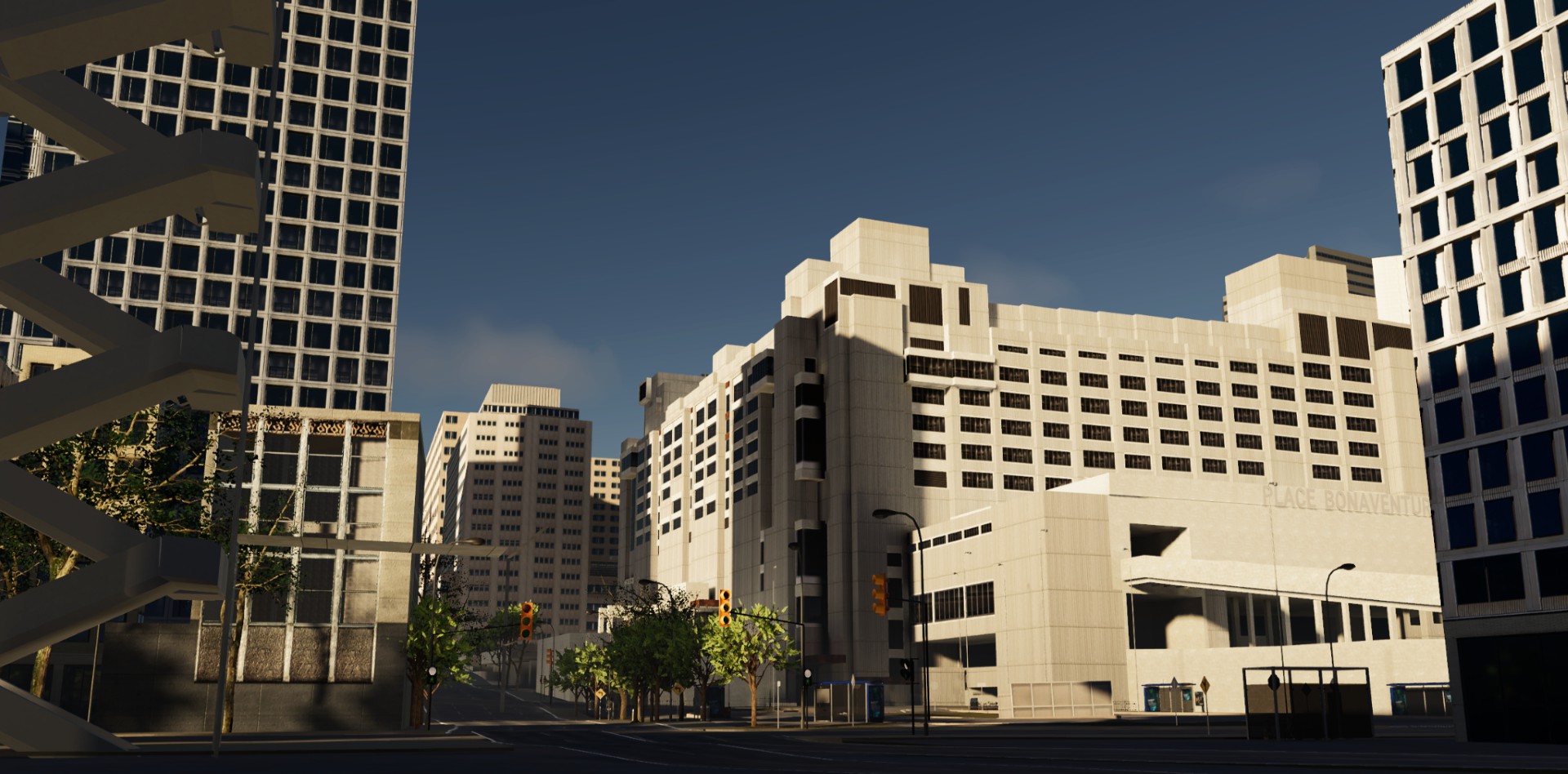
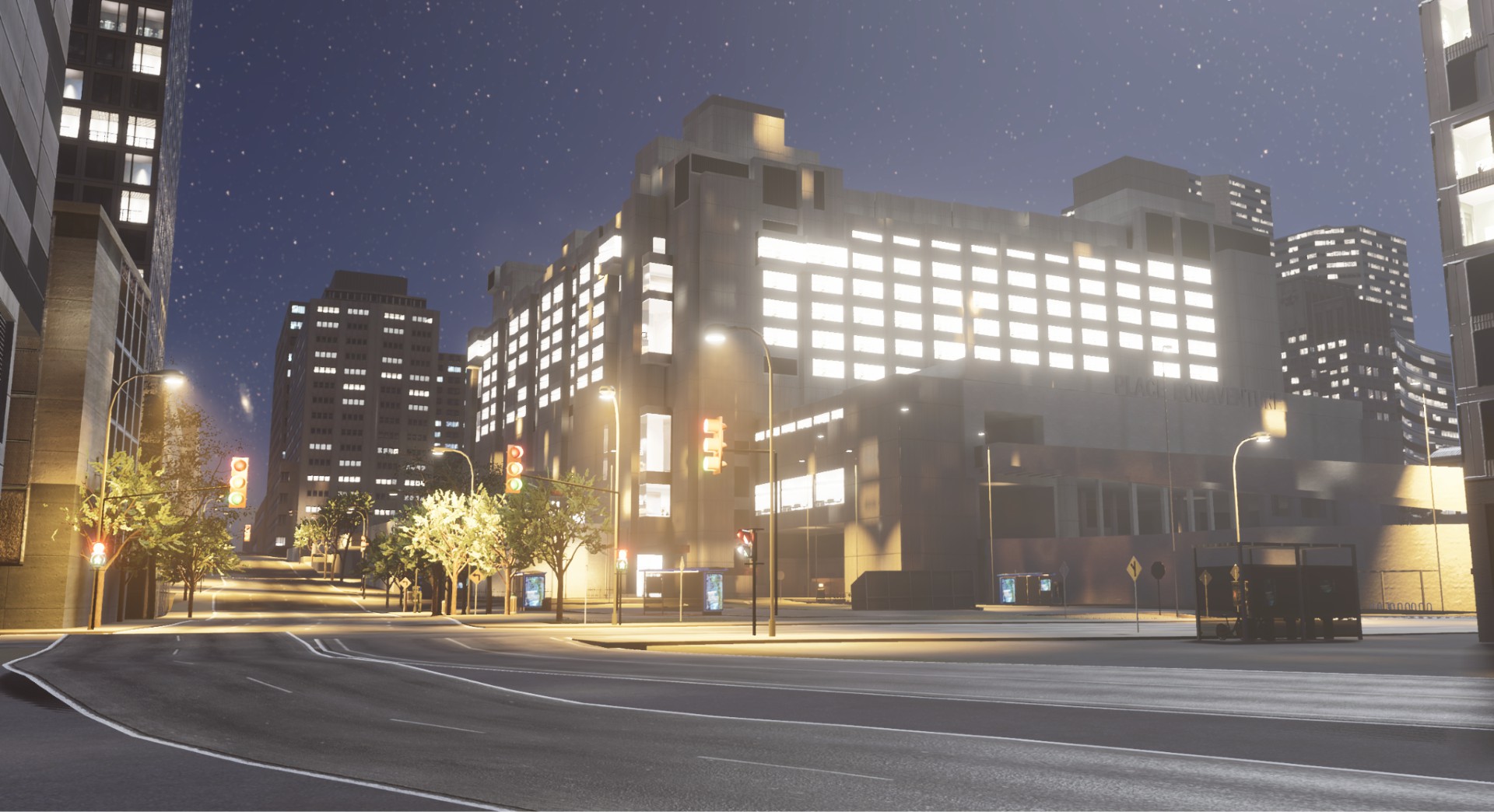
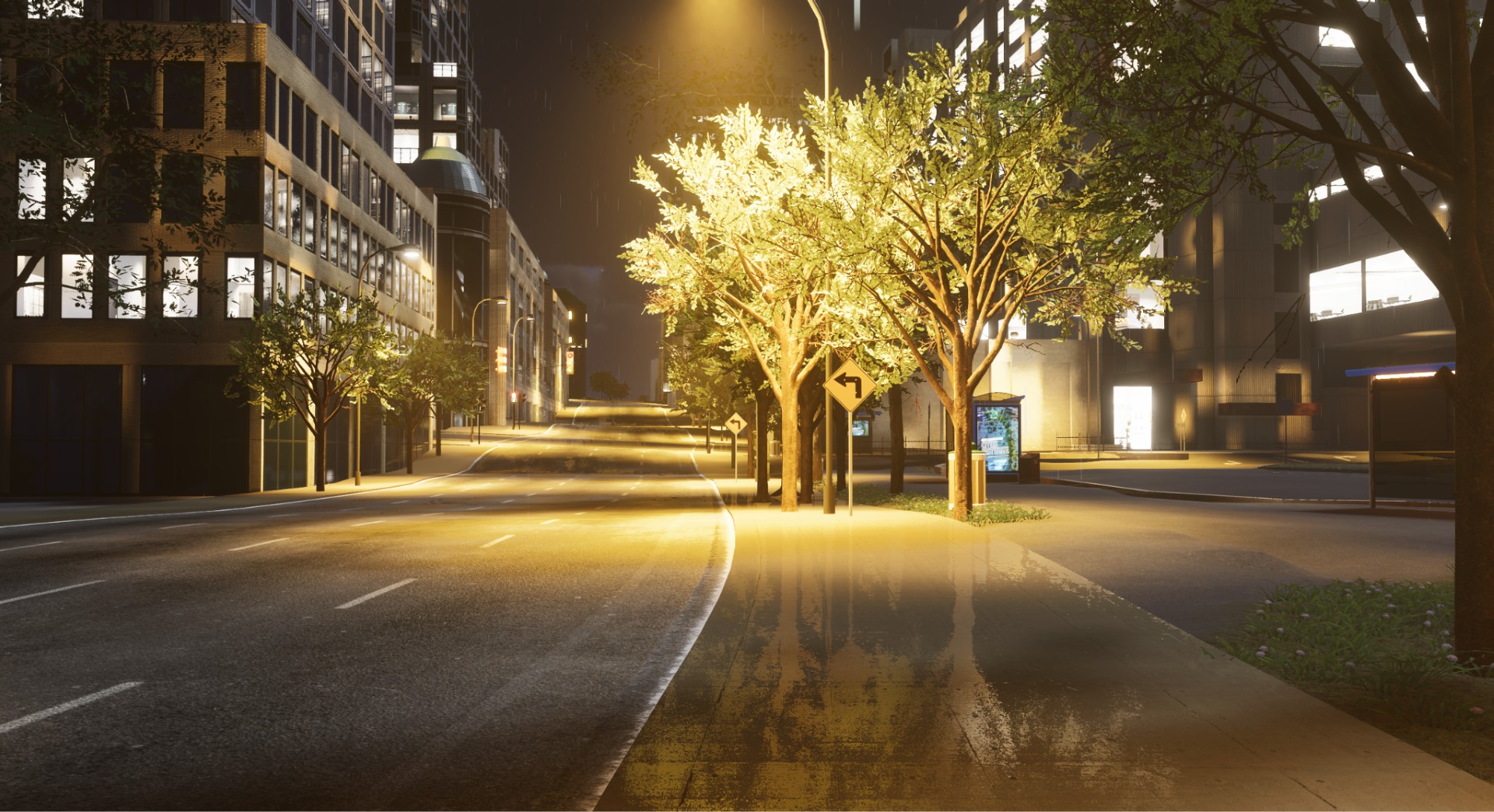
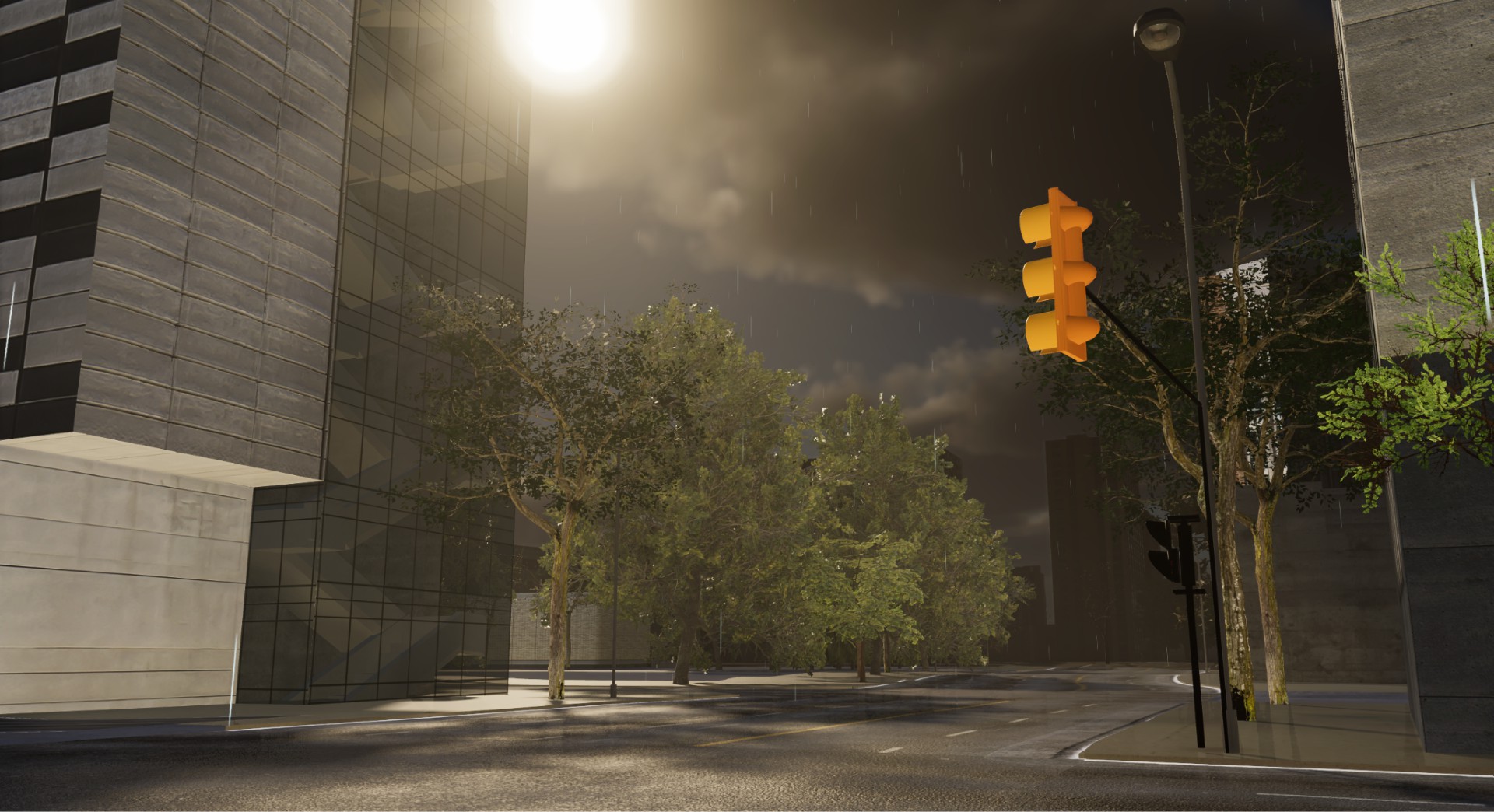
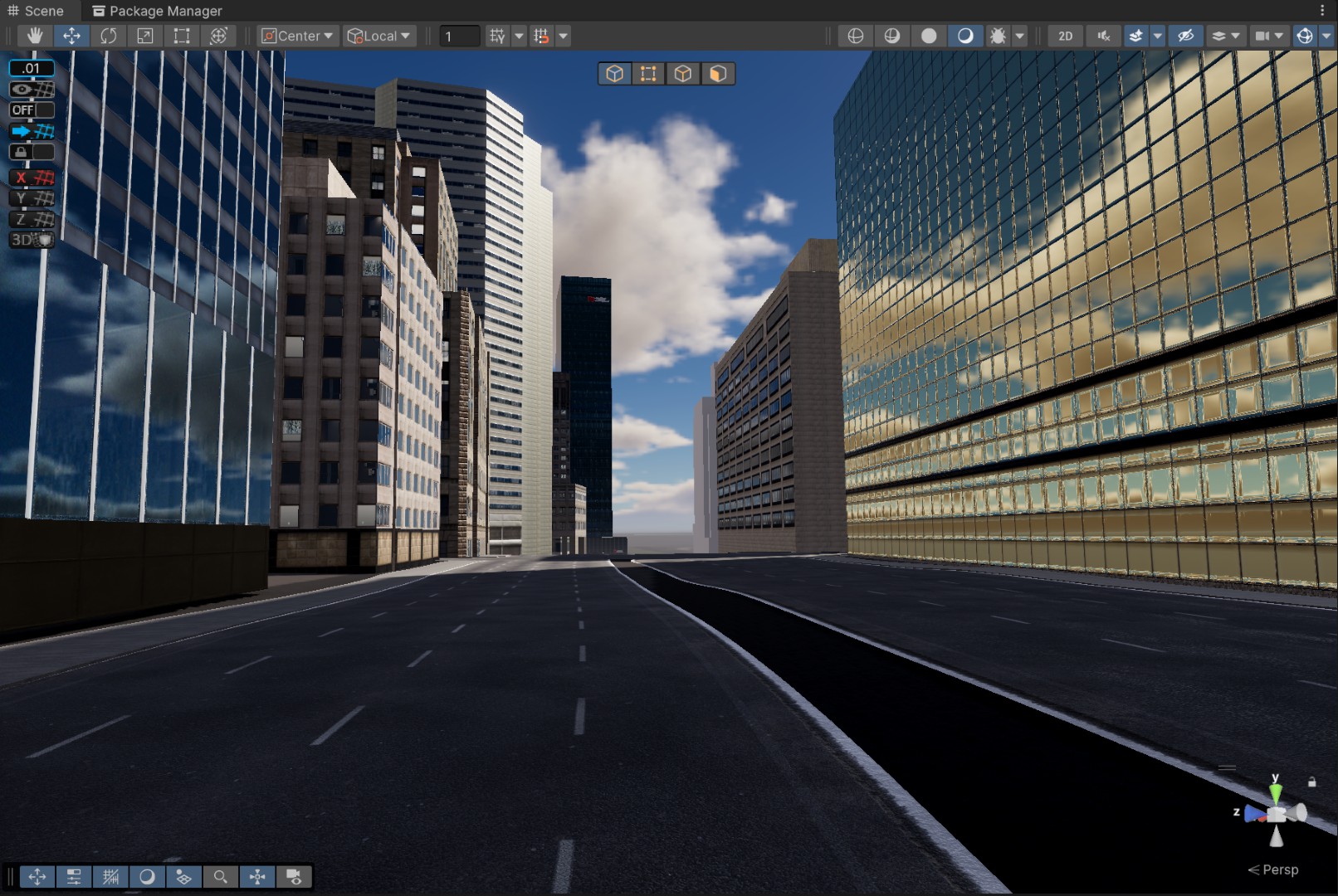
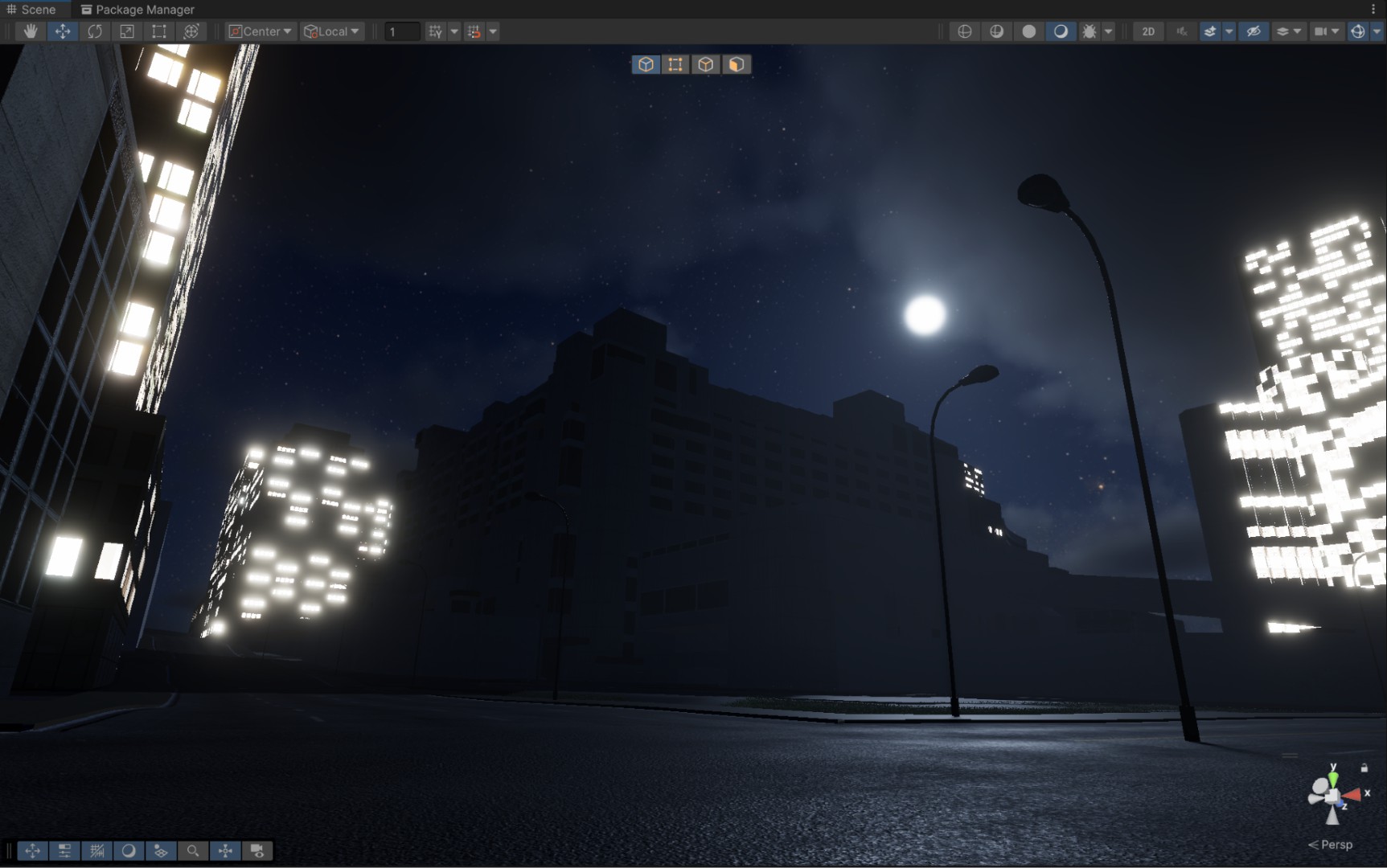
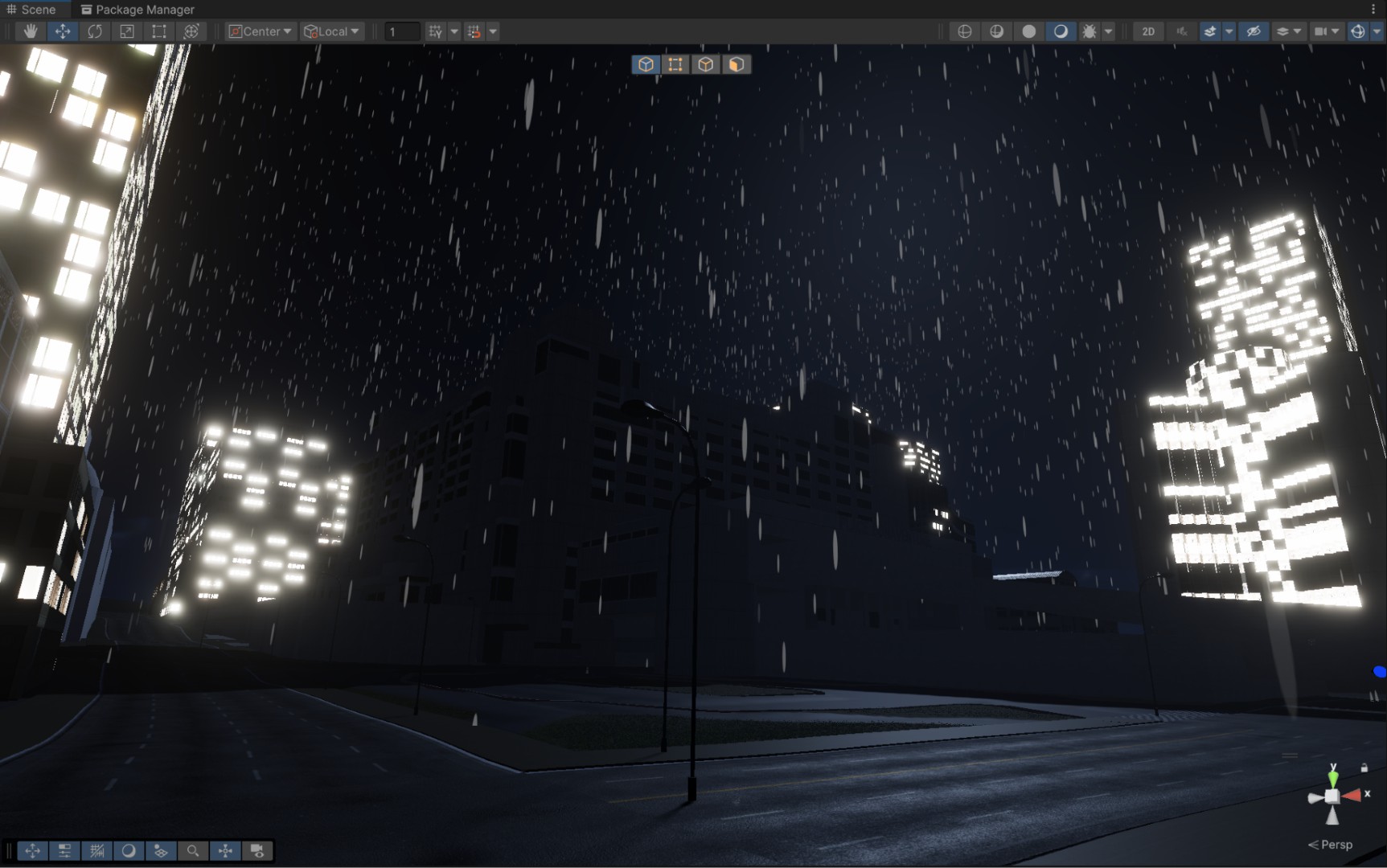
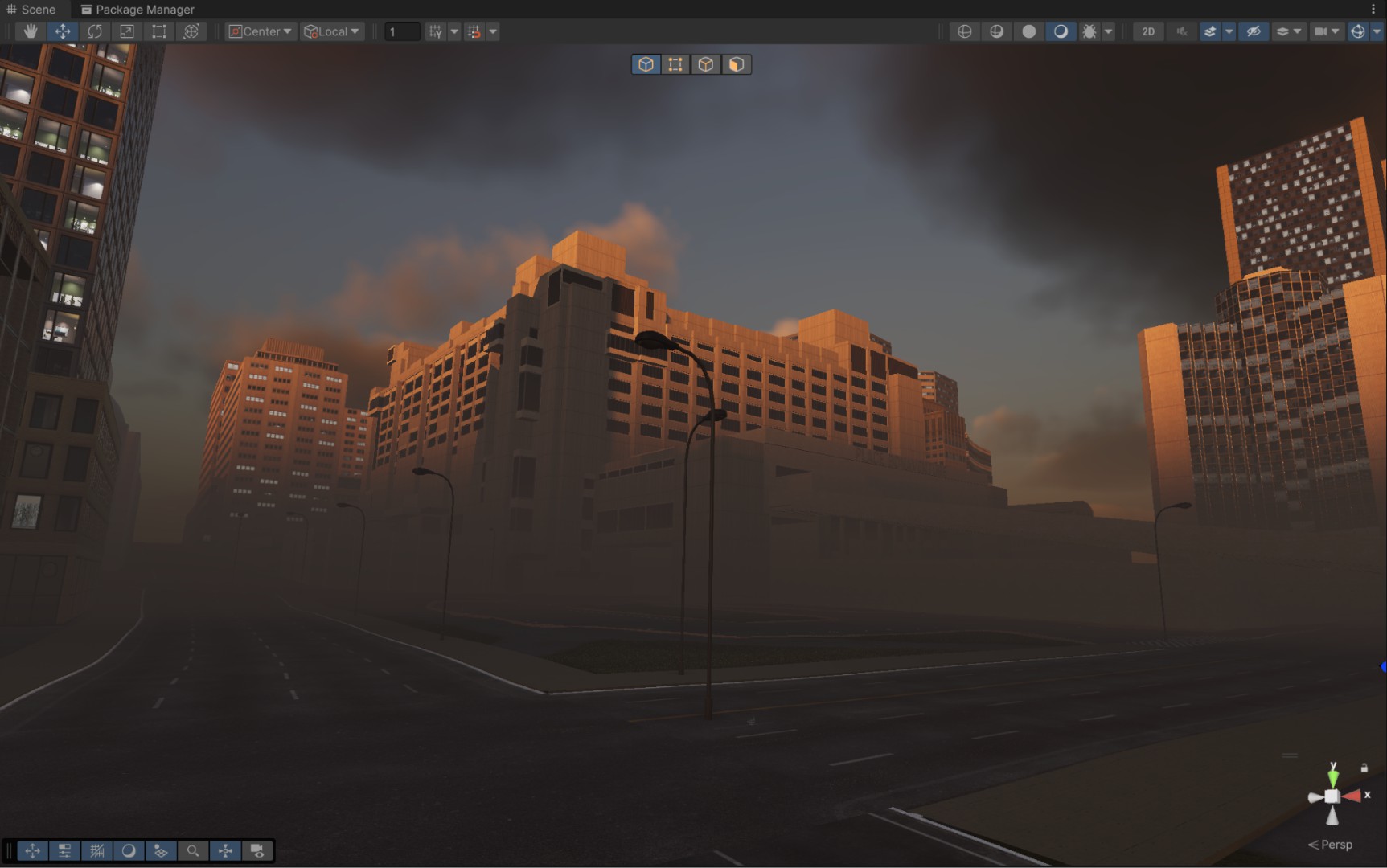
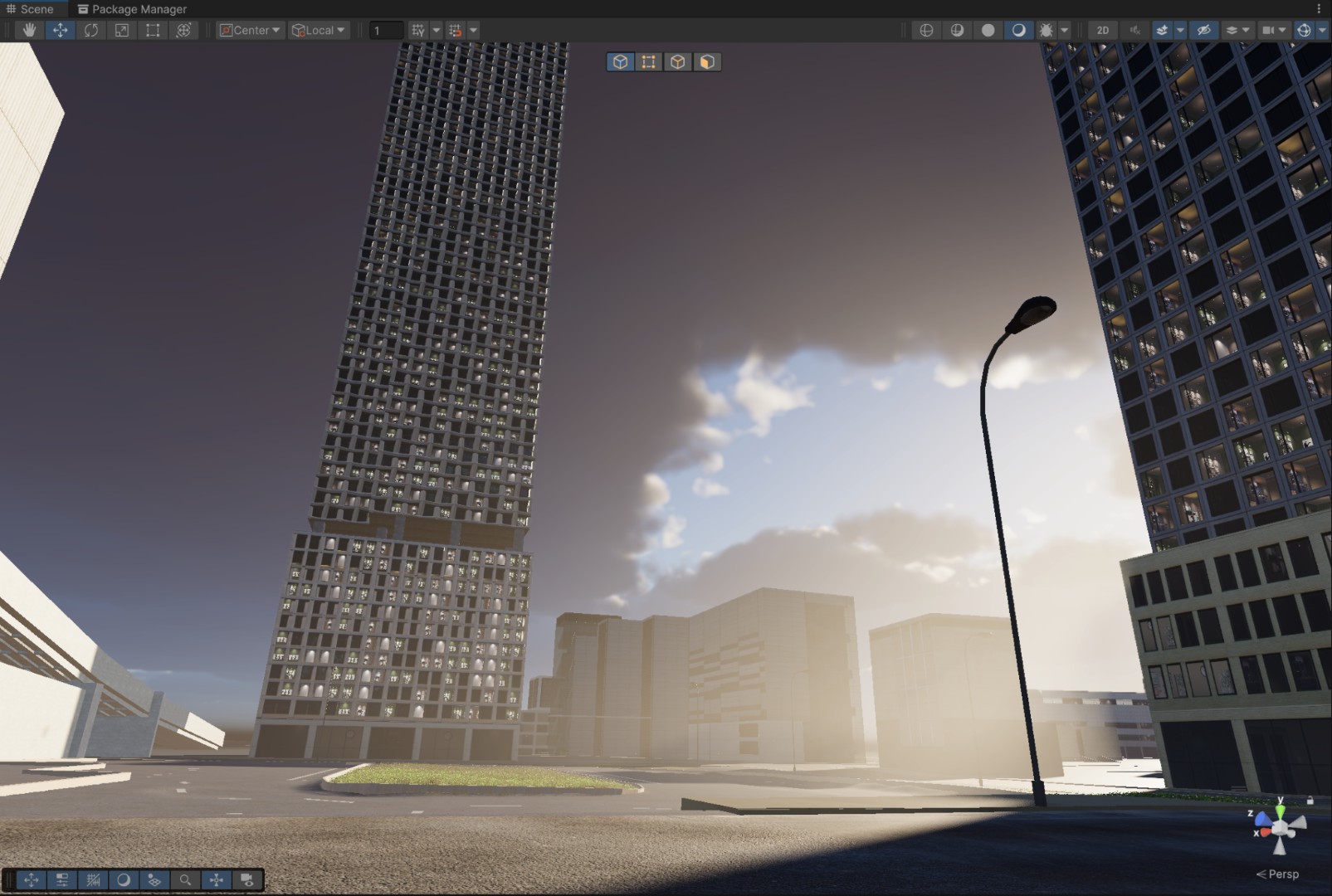

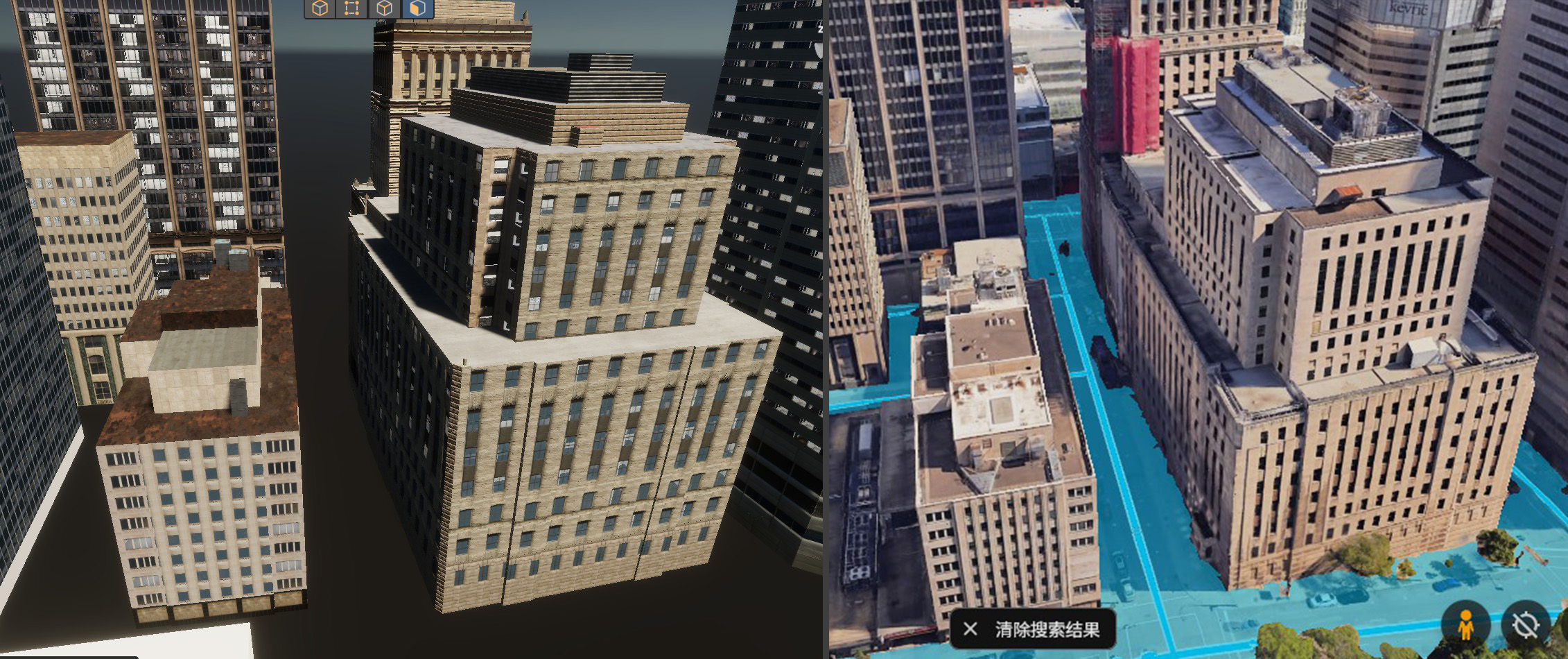
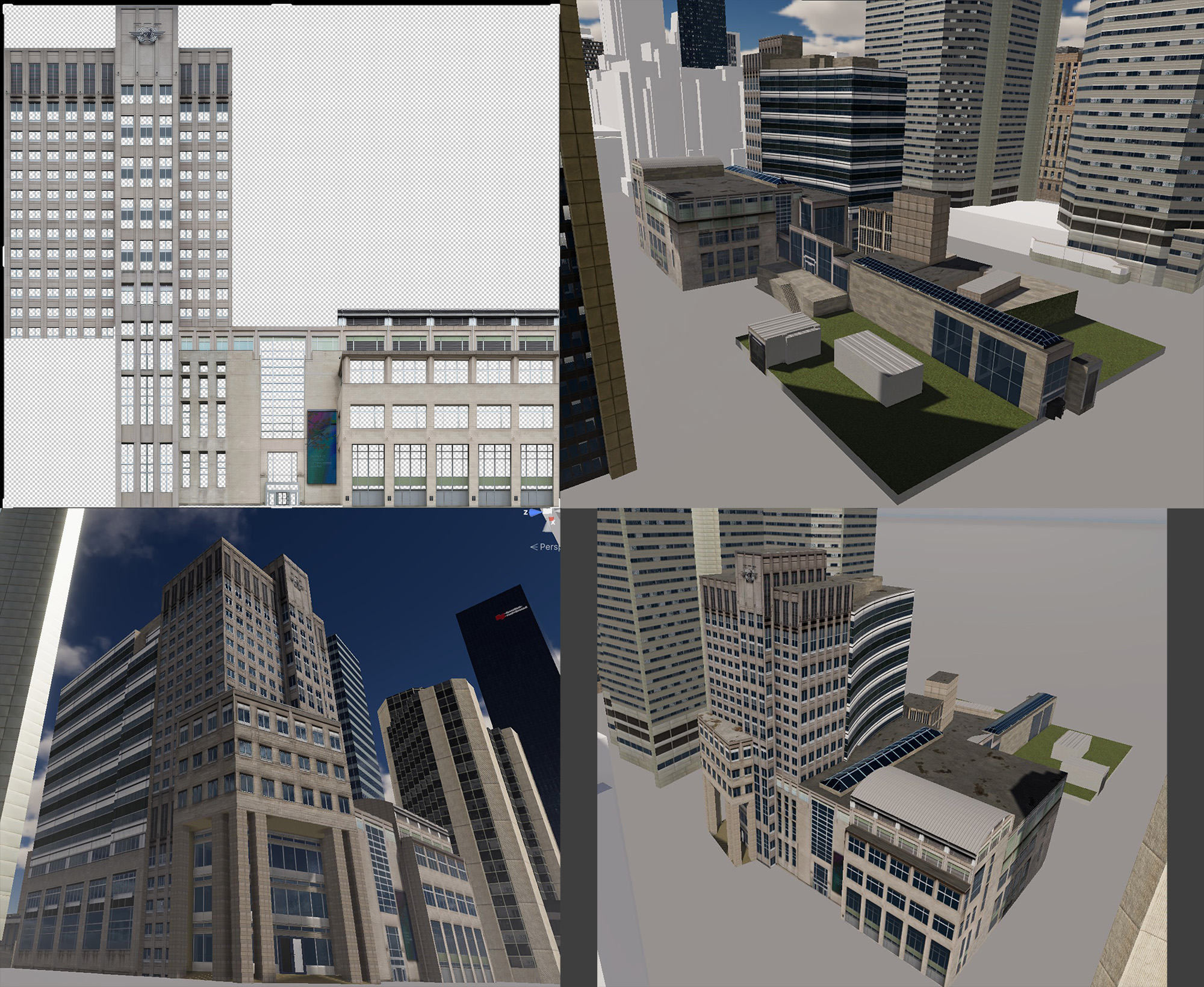
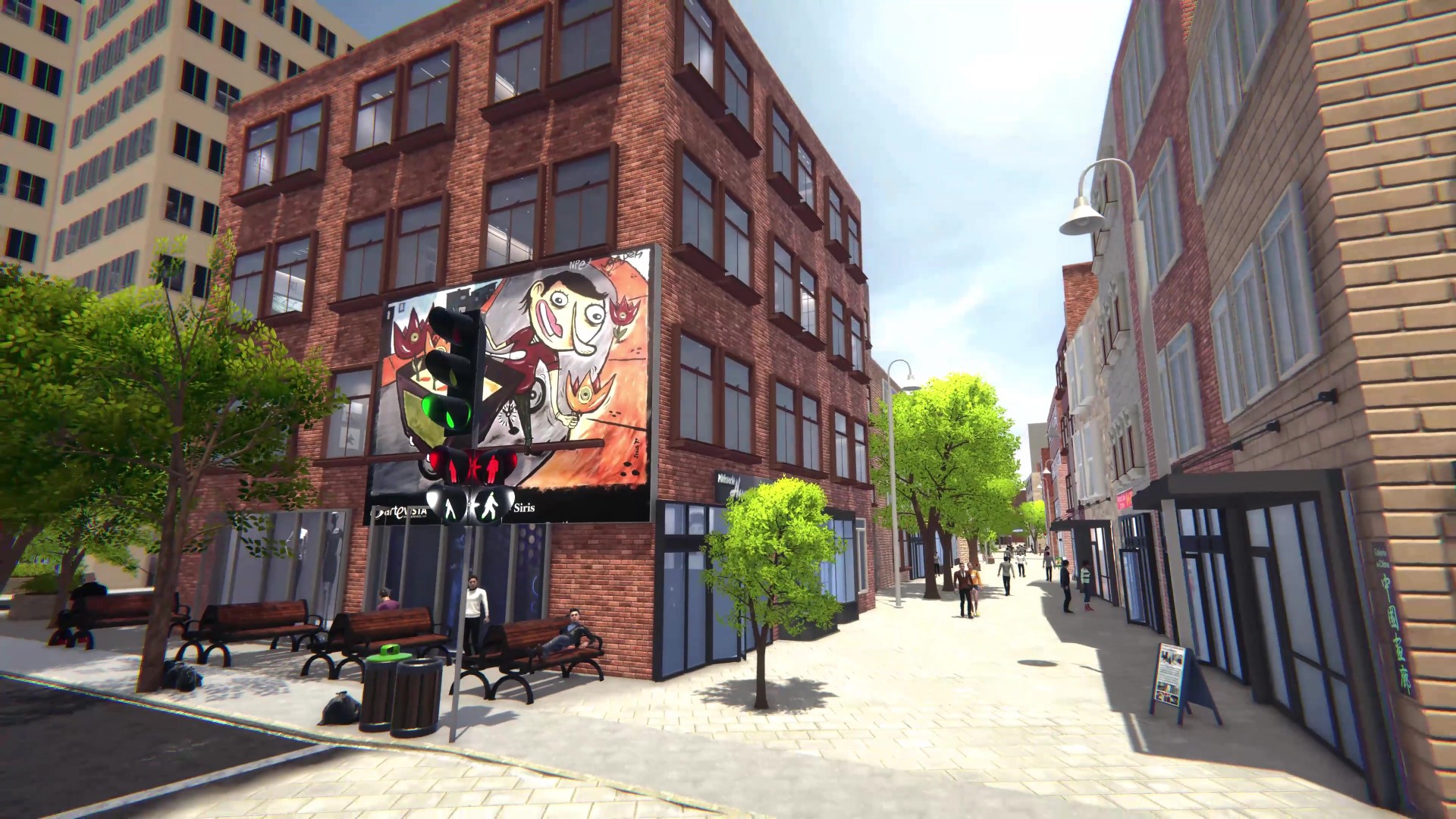
This research project was developed with the understanding that achieving the efficient decarbonization of transportation within a community needs solutions rooted in bottom-up feedback .
Overview: Developed a realistic digital twin of Montreal’s downtown core to serve as a simulation platform for urban decarbonization. The project quality garnered significant attention from the Montreal Transit Authority (ARTM).
Lighting & Atmosphere (Unity 6 Features): Leveraged the latest Unity 6 features to achieve photorealism without compromising performance.
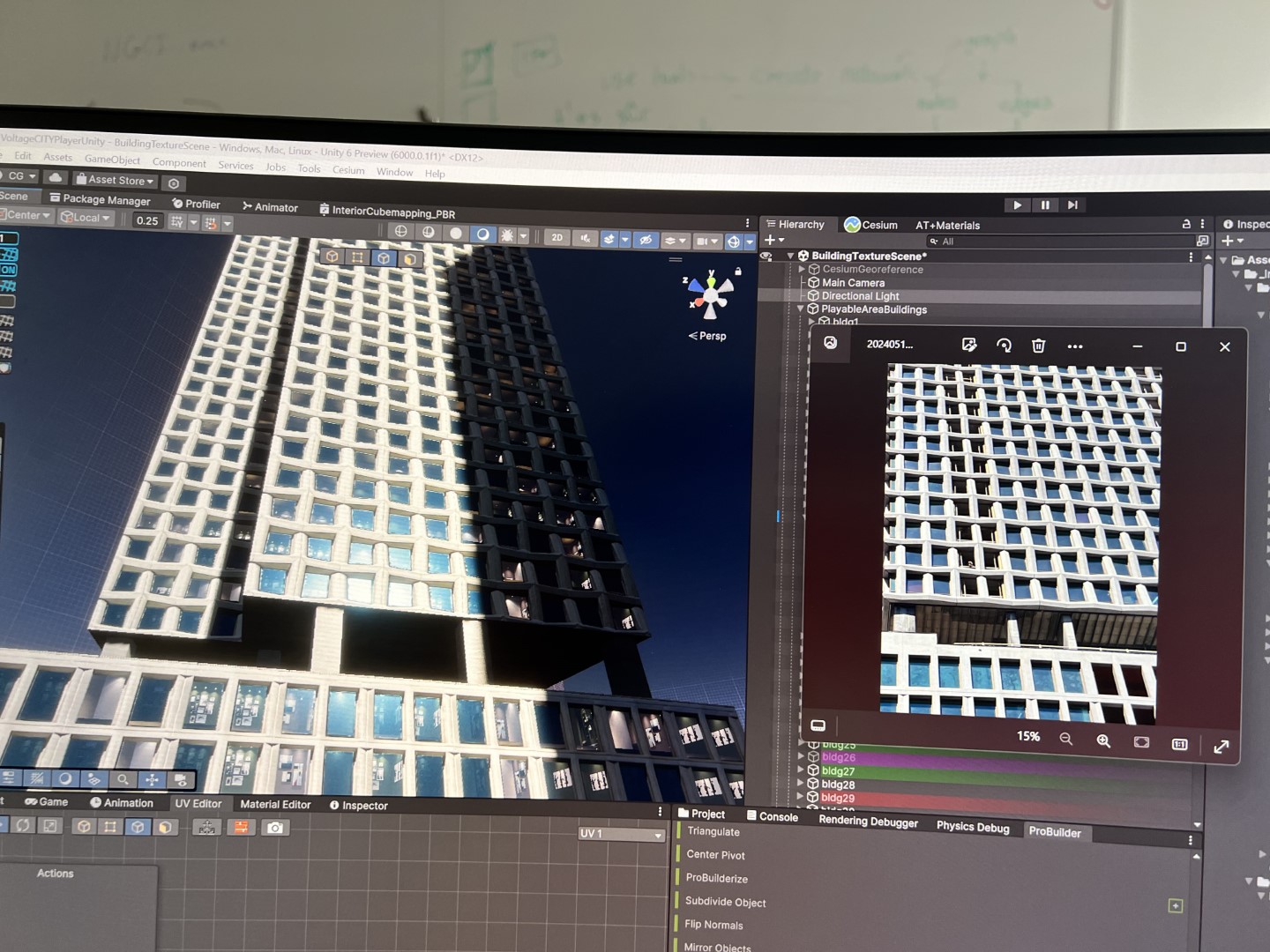
The Problem: The legacy project relied on procedural geometry to generate building windows and interiors. This approach caused an explosion in GameObject count and Draw Calls, creating a severe CPU bottleneck for the city-scale simulation.
The Solution (Interior Mapping): I customized an existing shader to implement Interior Mapping tailored to our building facades.
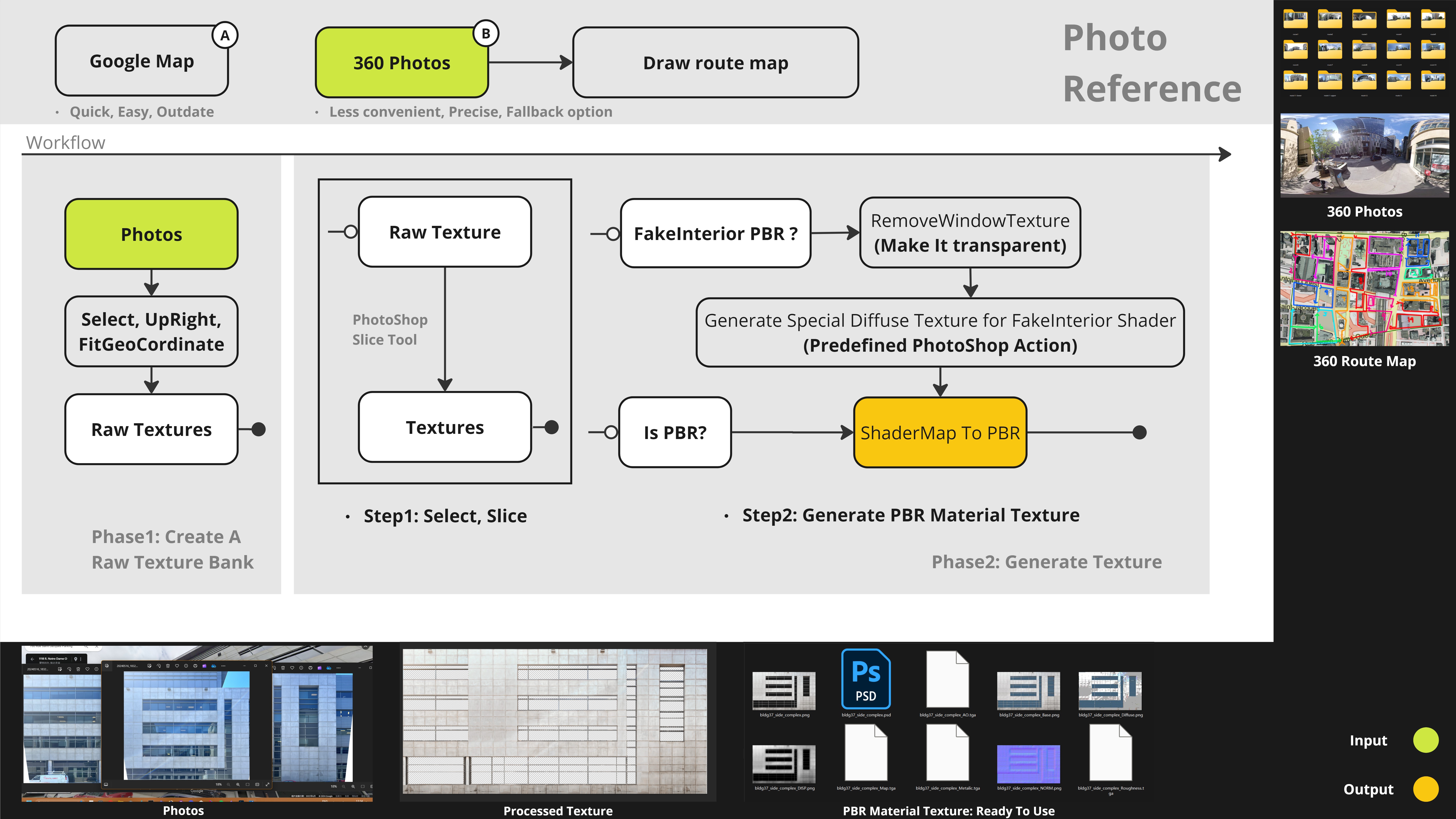
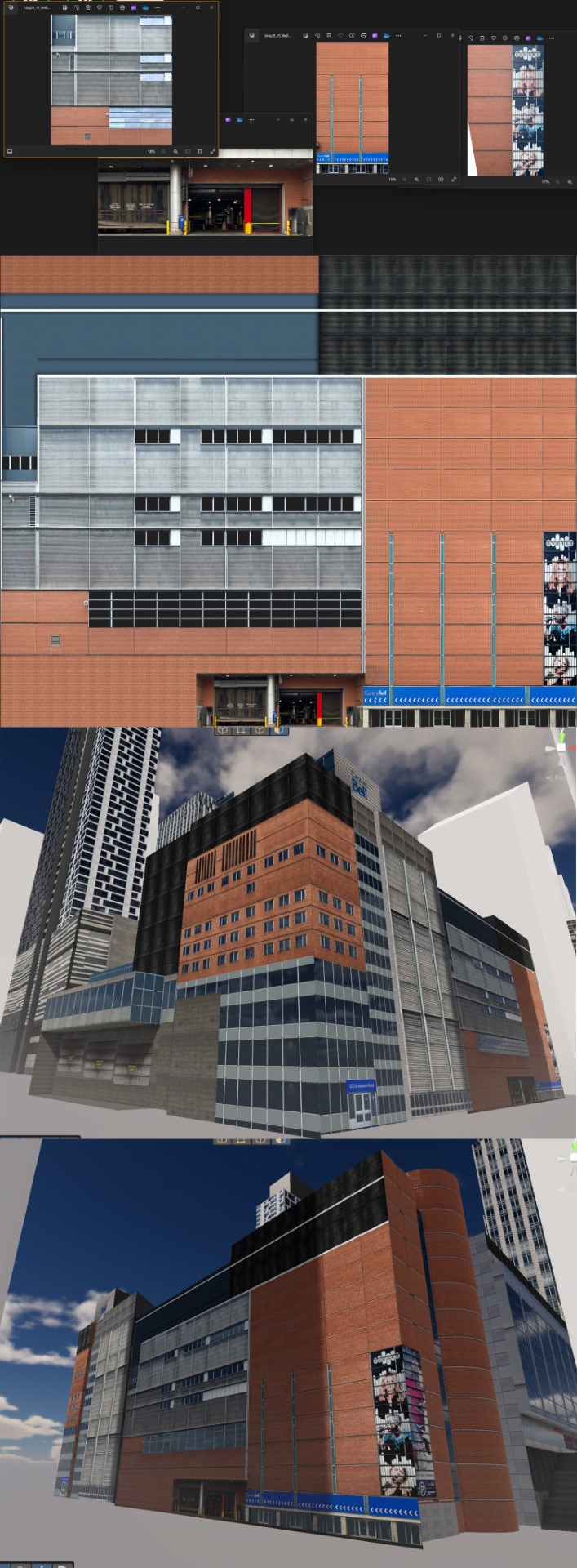
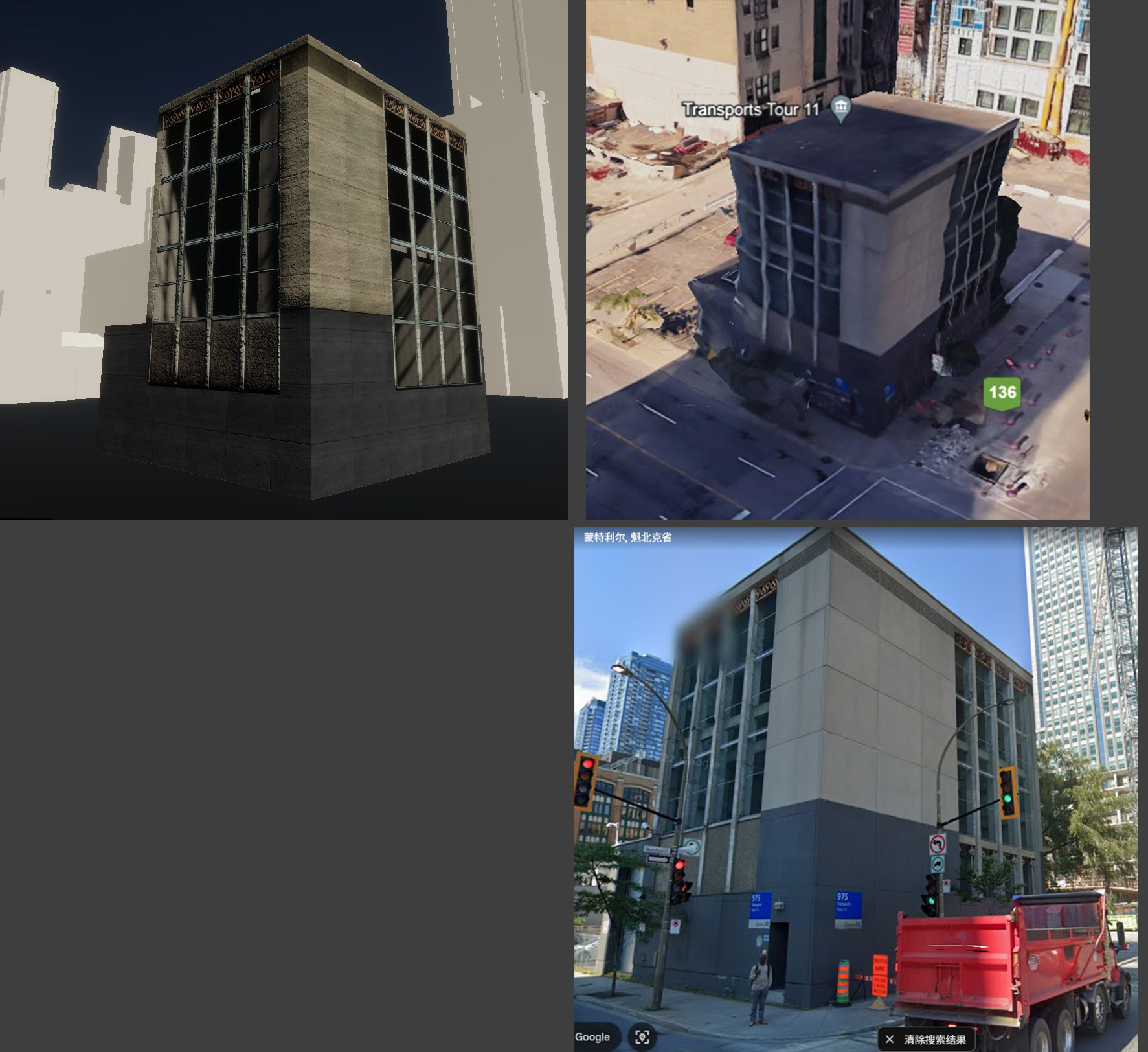
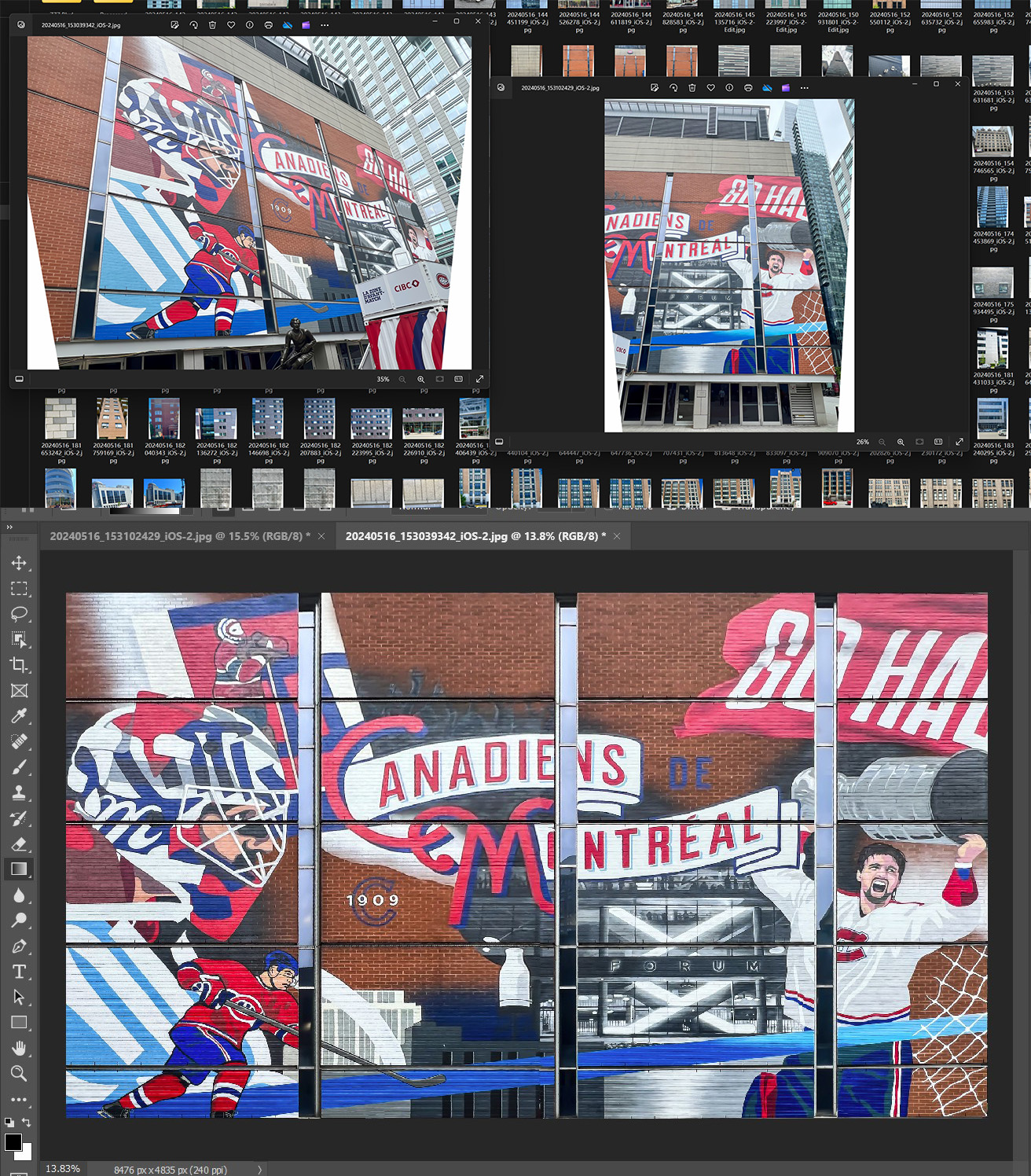
Pipeline Automation: To texture over 60+ unique buildings in the downtown area efficiently, manual UV mapping and painting were not feasible. I designed a semi-automated pipeline:
Result: This pipeline accelerated asset production speed by roughly 300%, allowing a small team to populate the entire downtown core in weeks rather than months.
Collaboration & Leadership: Standardized the modeling workflow and conducted team training sessions on Unity ProBuilder. This empowered level designers to perform modular building adjustments and texture replacements independently, reducing dependency on the core tech team.
No video available.