Gallery
No video available.
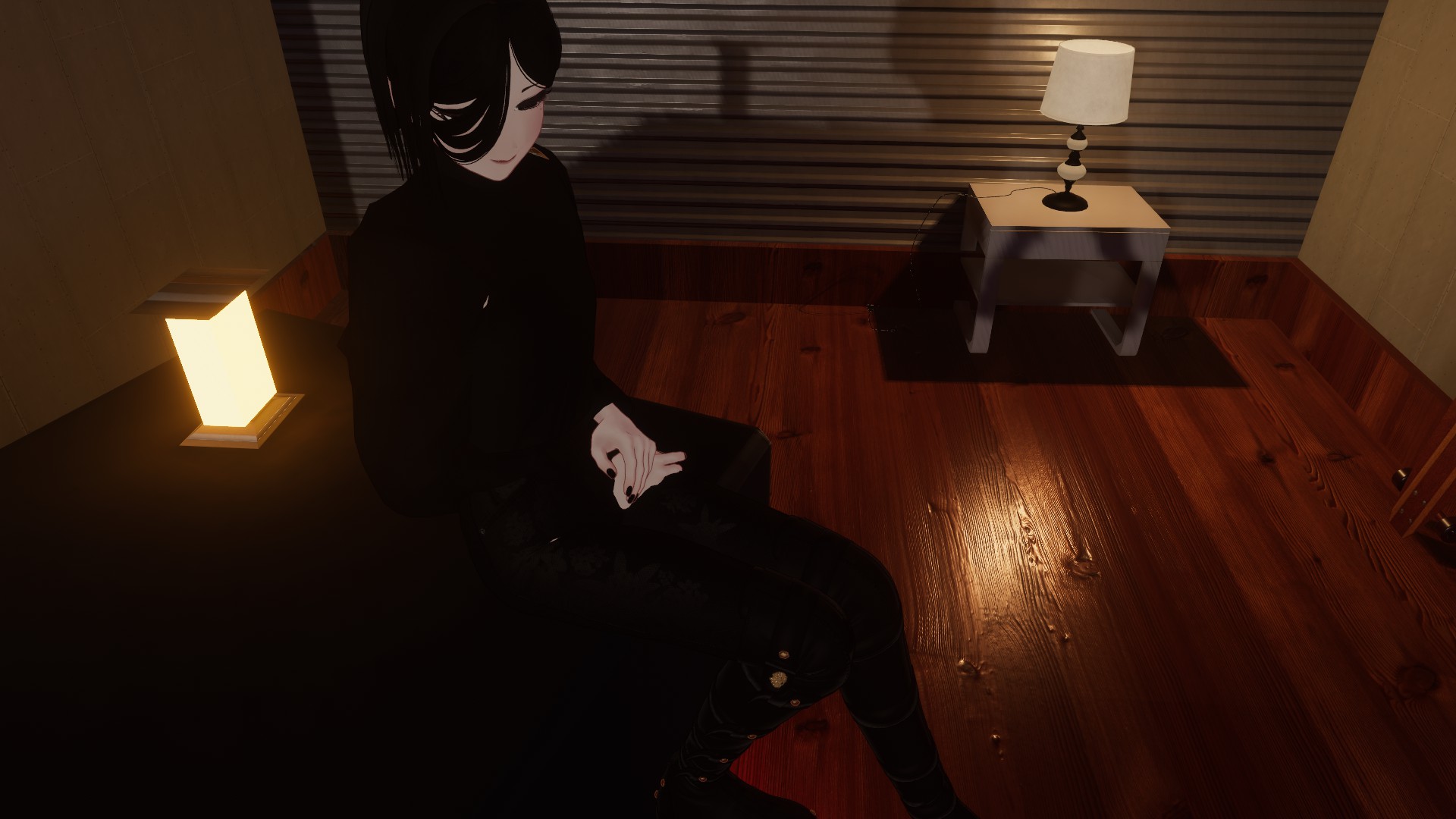
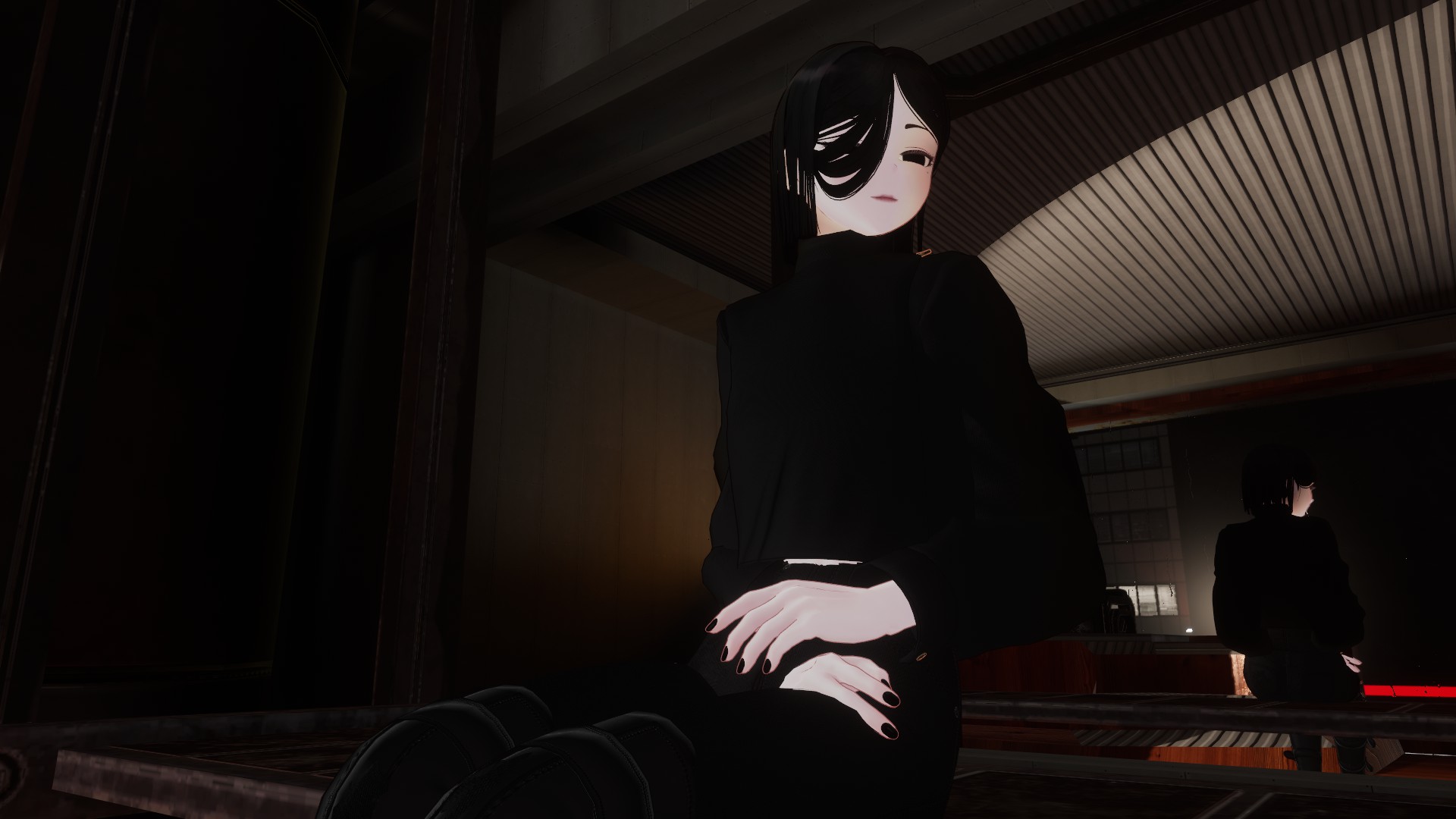
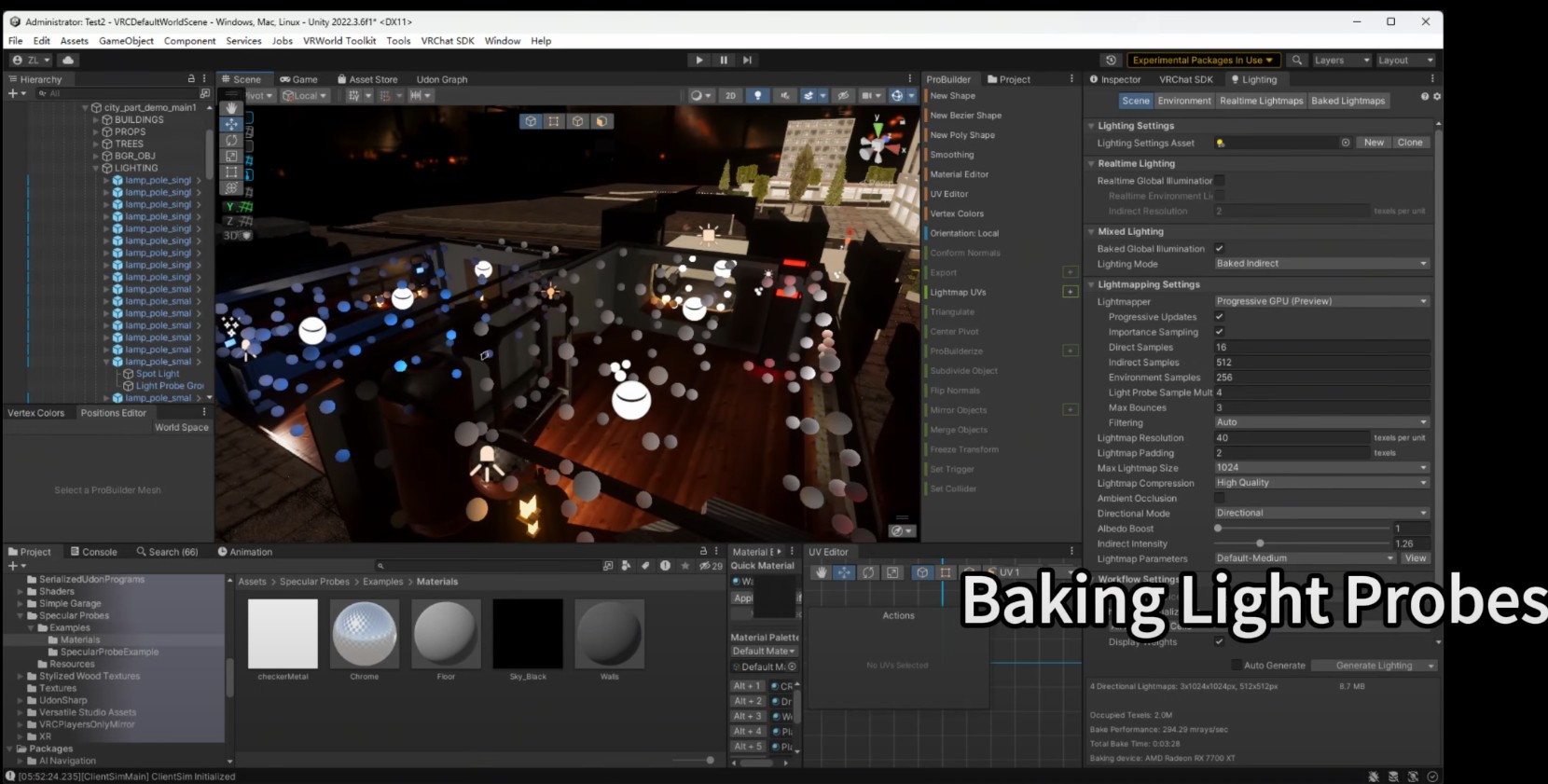
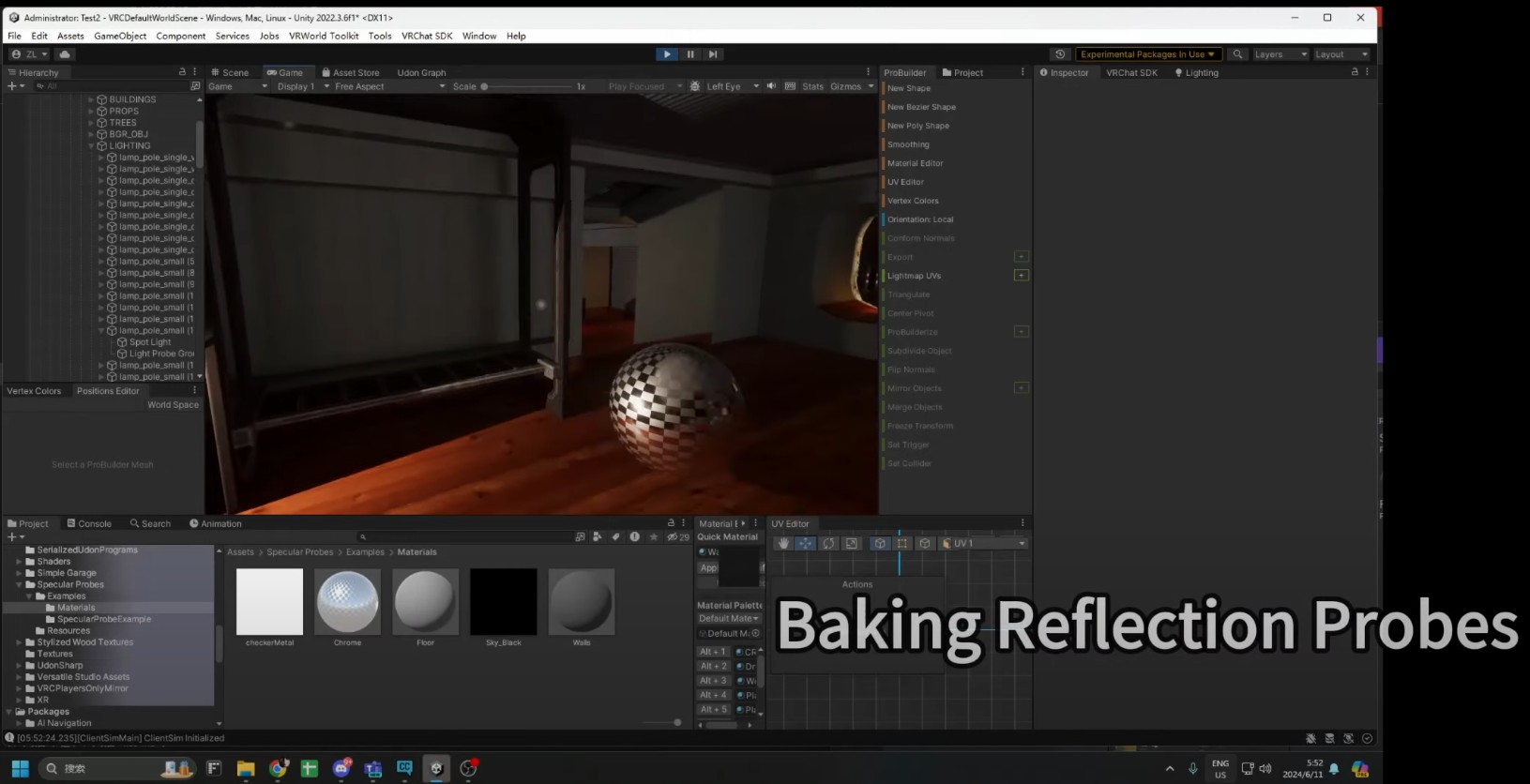
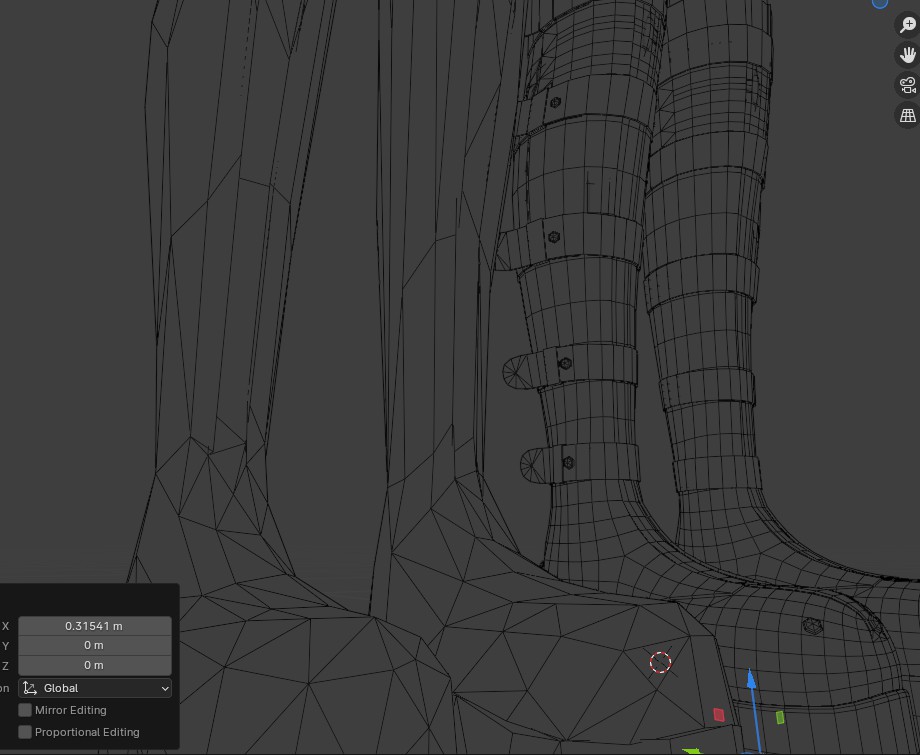
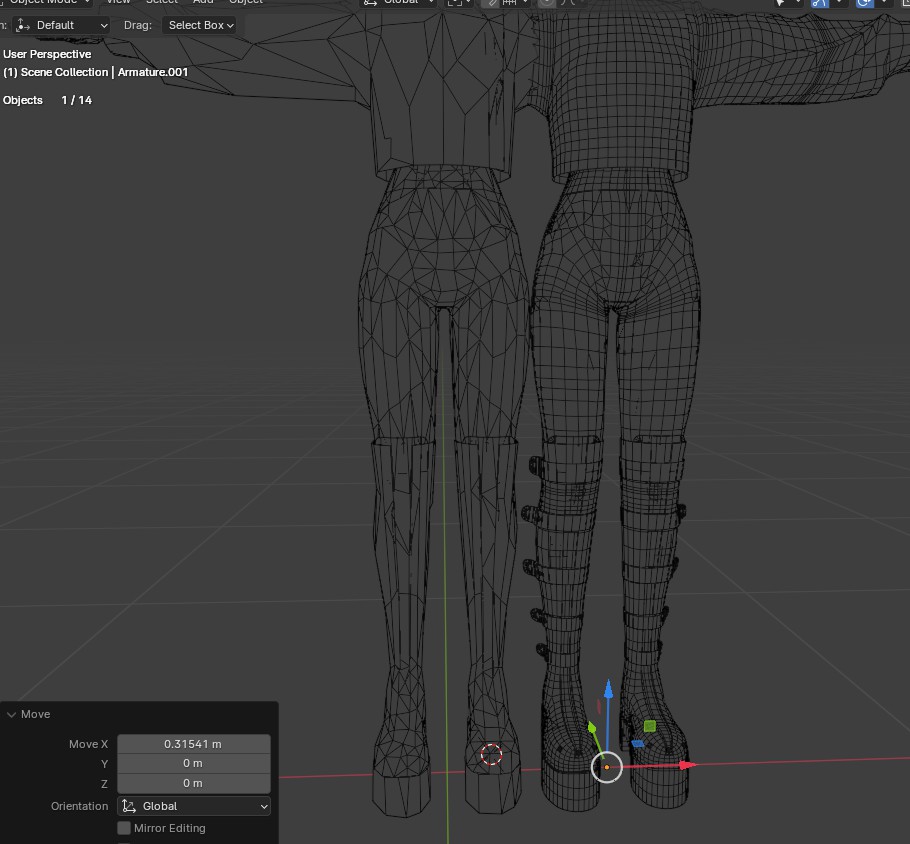
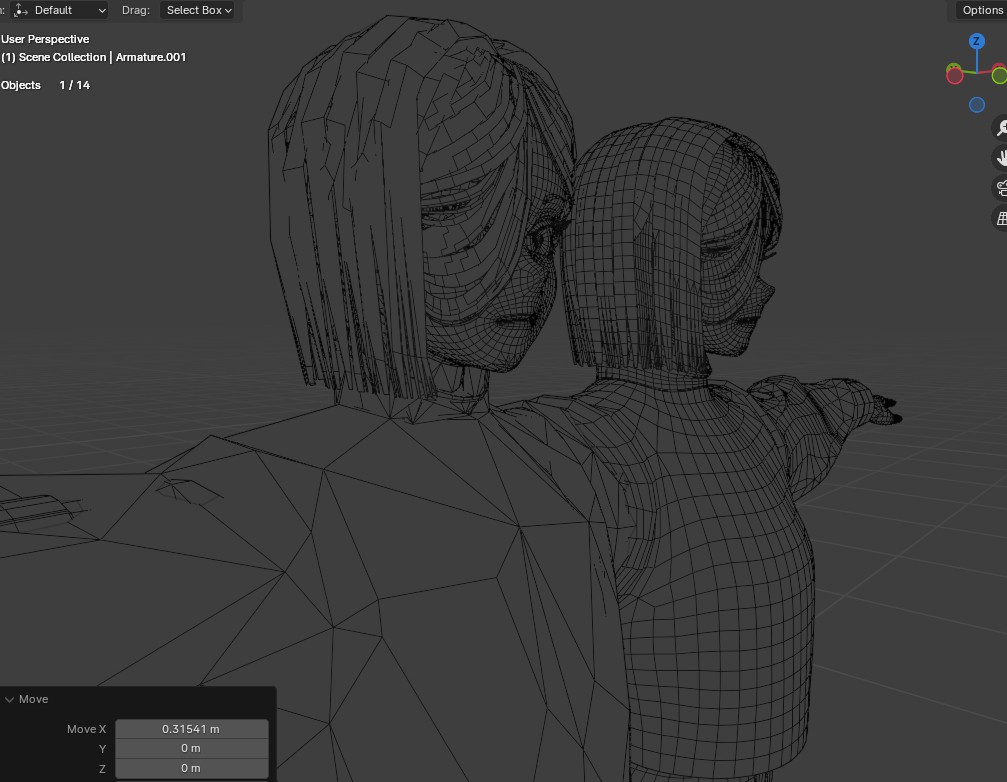
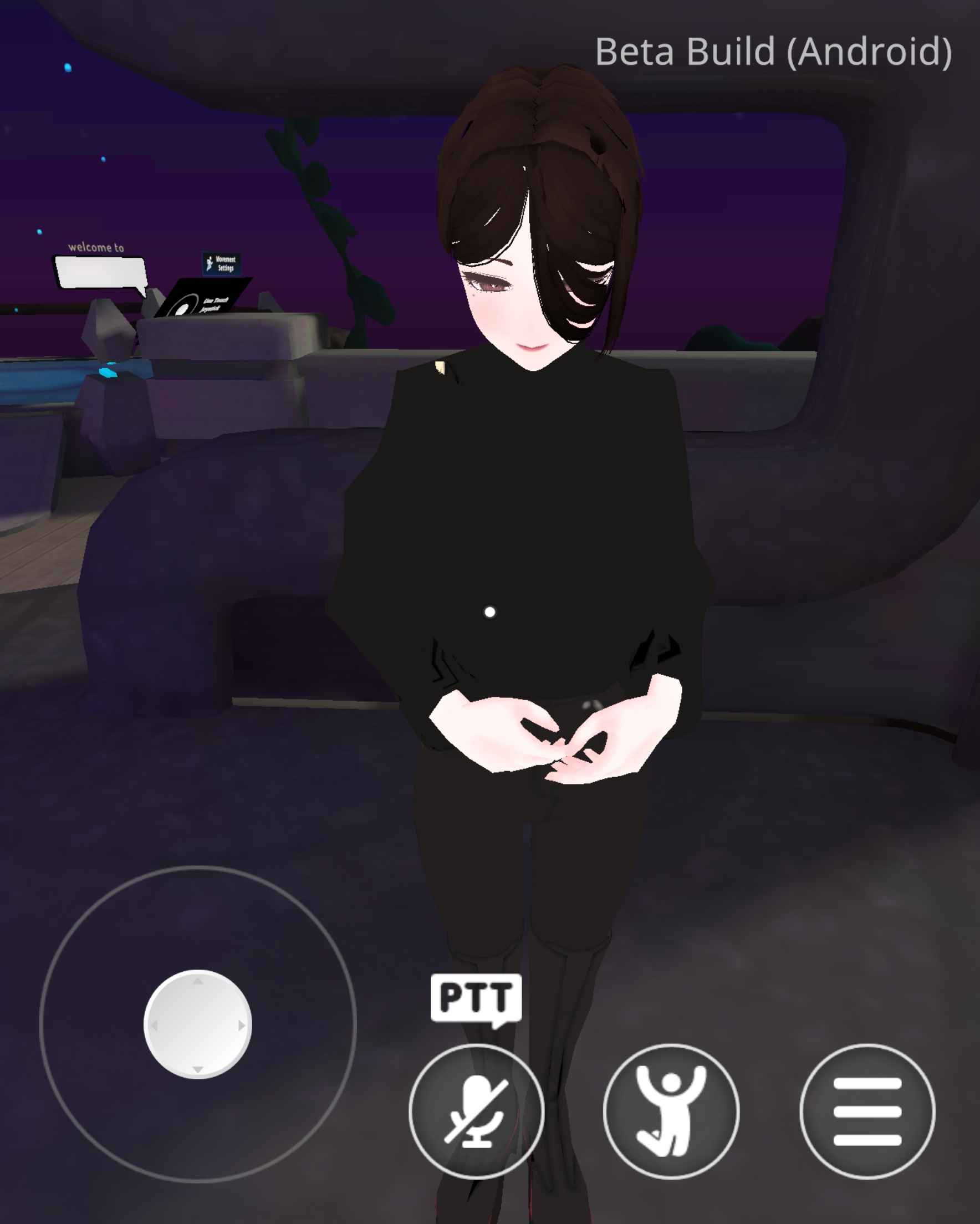
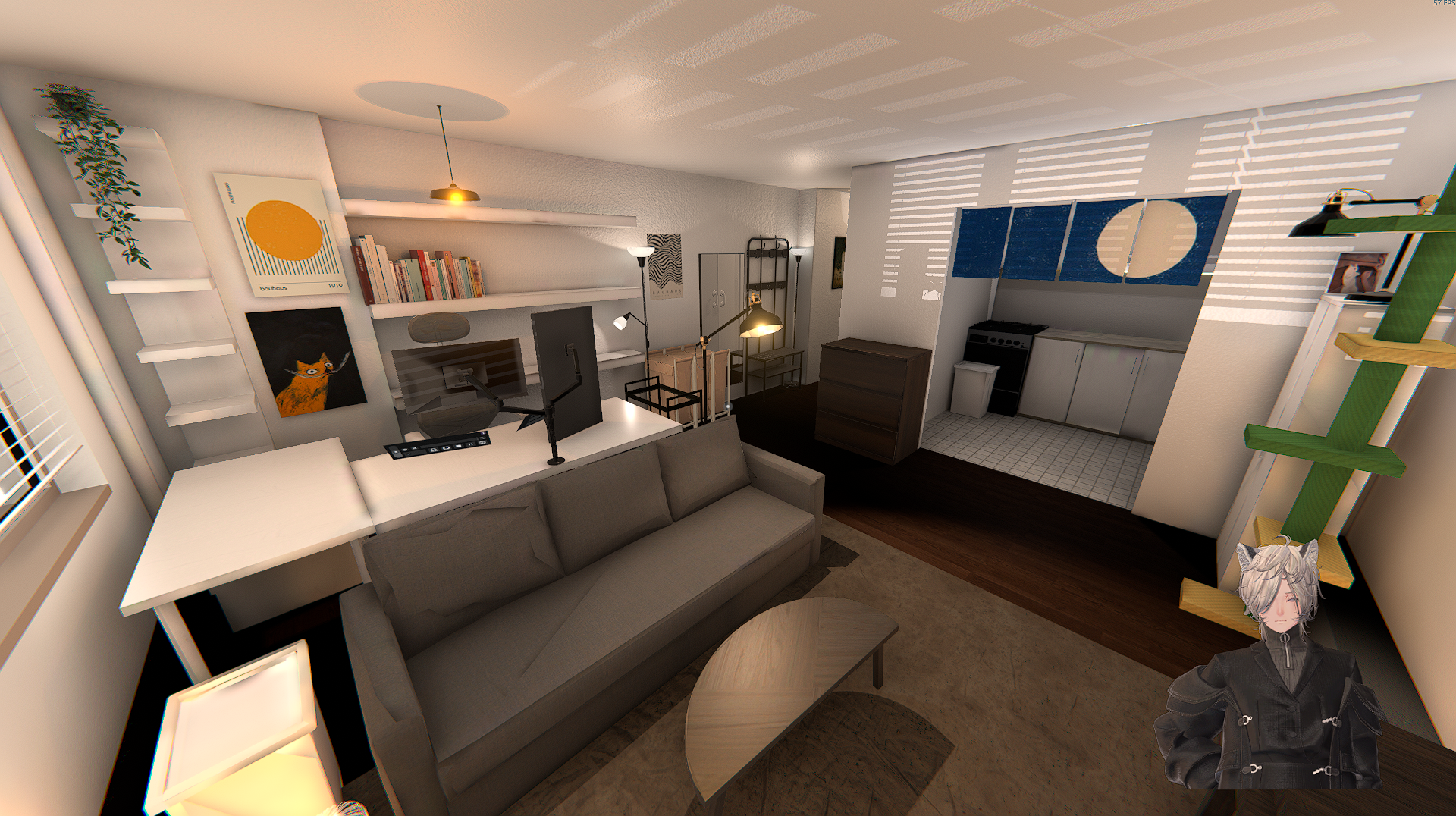
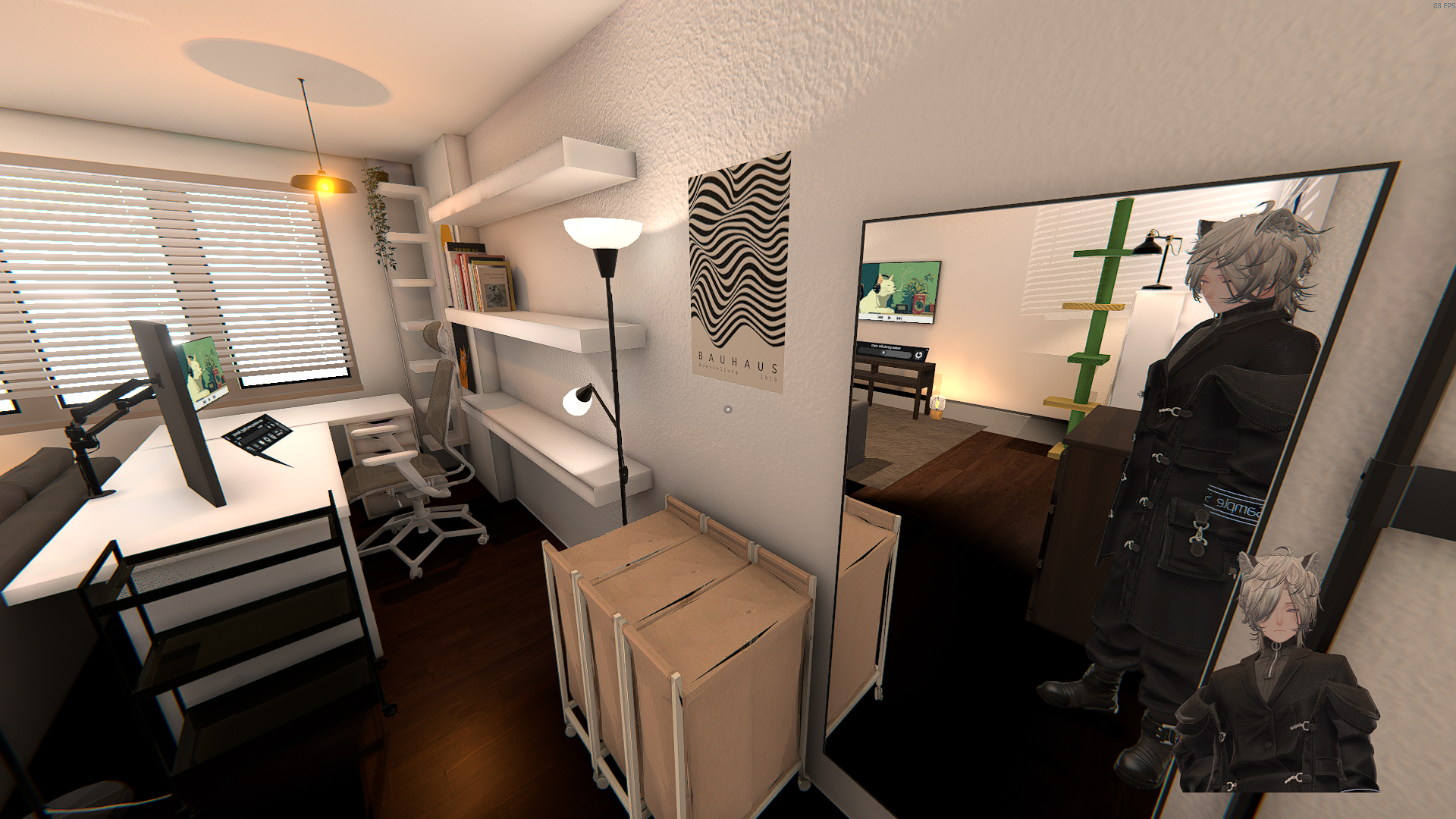
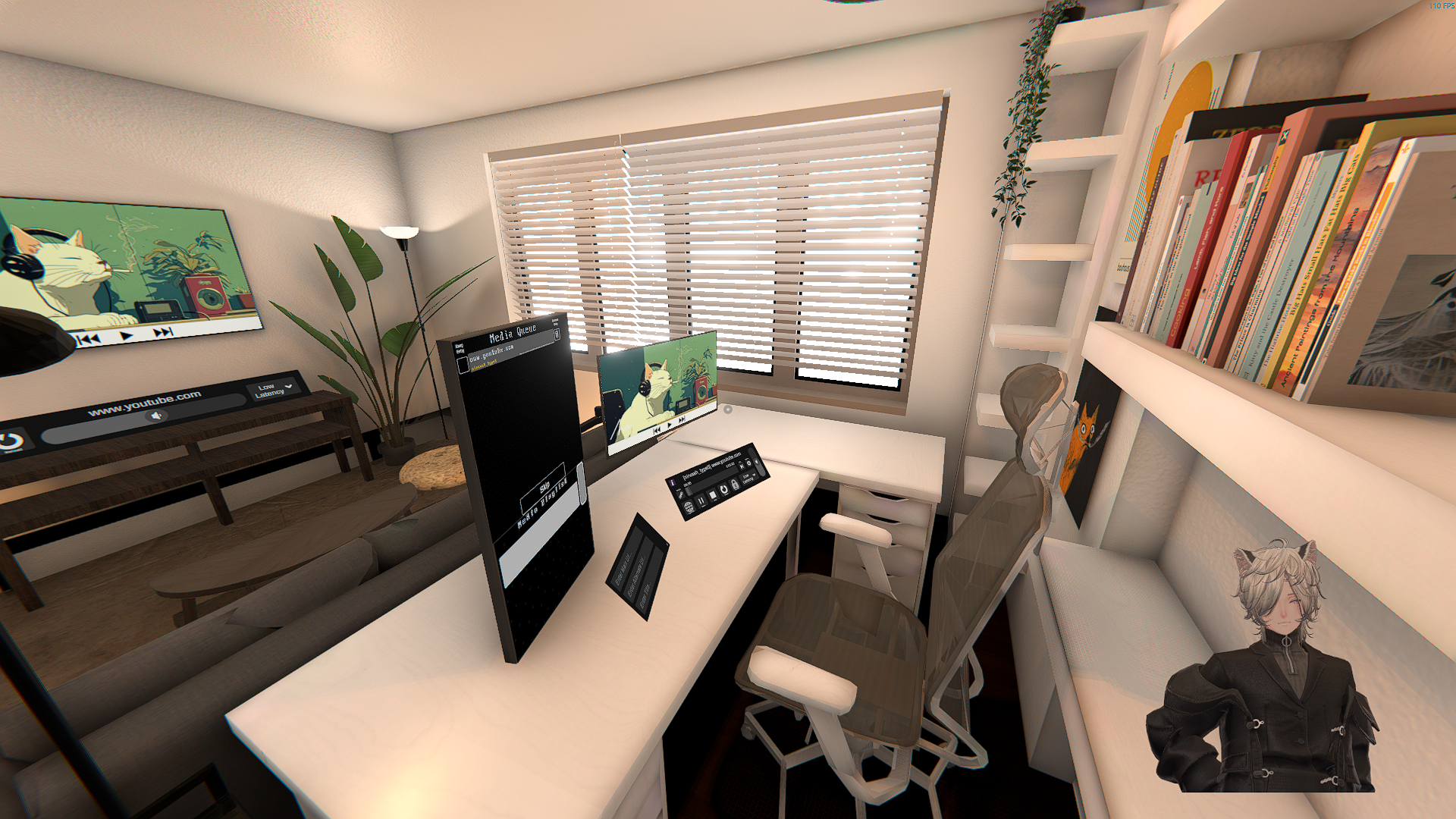
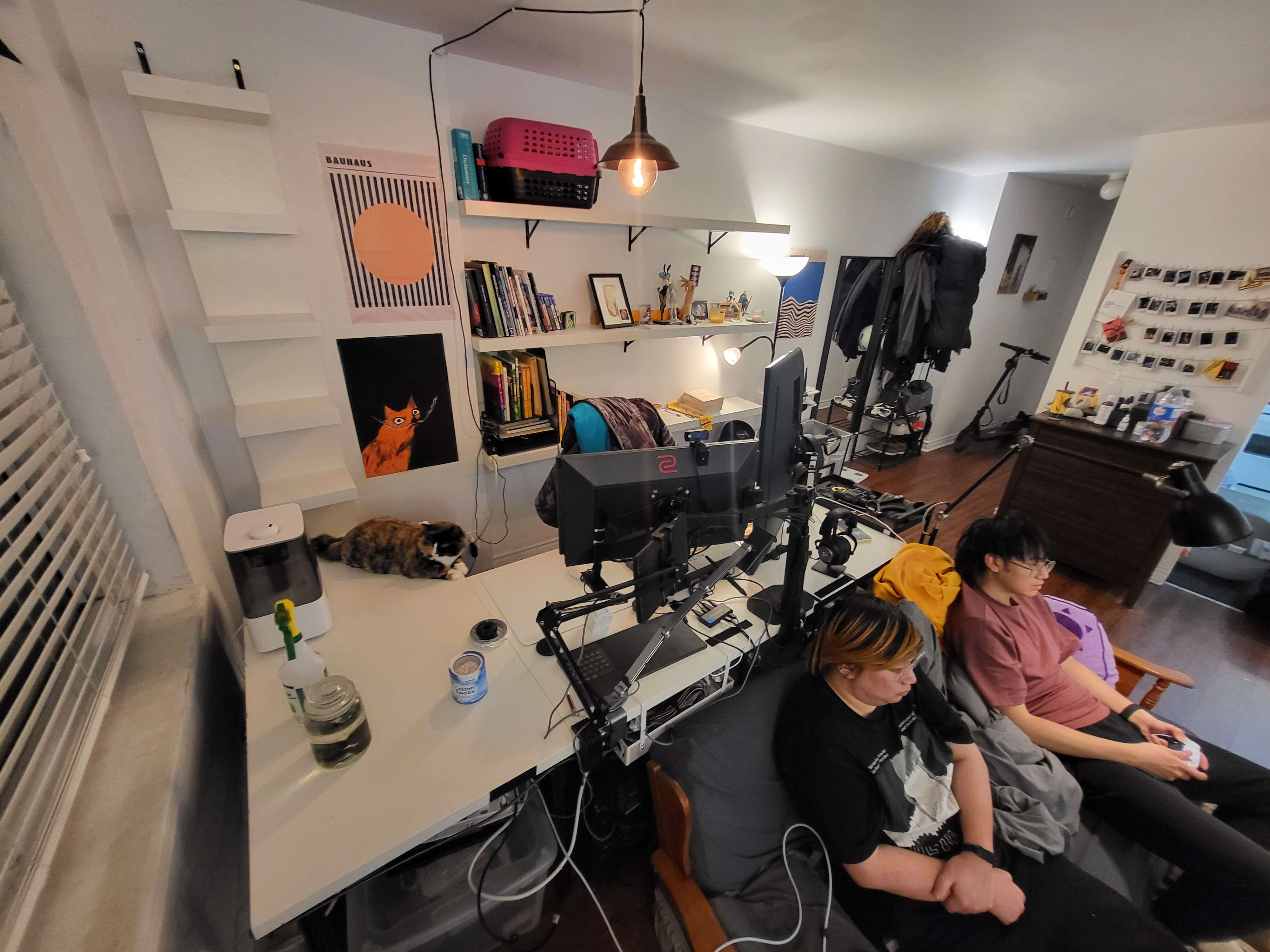
A living archive of my technical explorations in VRChat. Focuses on cross-platform optimization (PC vs. Android), static lighting architectures, and rapid environment prototyping (e.g., a 3-day digital twin sprint). Demonstrates the ability to deliver high-fidelity interactive experiences under strict mobile performance constraints.
Introduction: The Spark of Technical Art VRChat is more than just a social platform to me; it is an incredible incubator that empowers new developers to create. It was my immersion in this creative community that originally sparked my passion for Technical Art.
This section serves as a living archive of my contributions to this platform. My work here focuses on balancing creative expression with strict technical constraints, learning to deliver high-fidelity experiences across PC and mobile (Android/Quest) hardware.
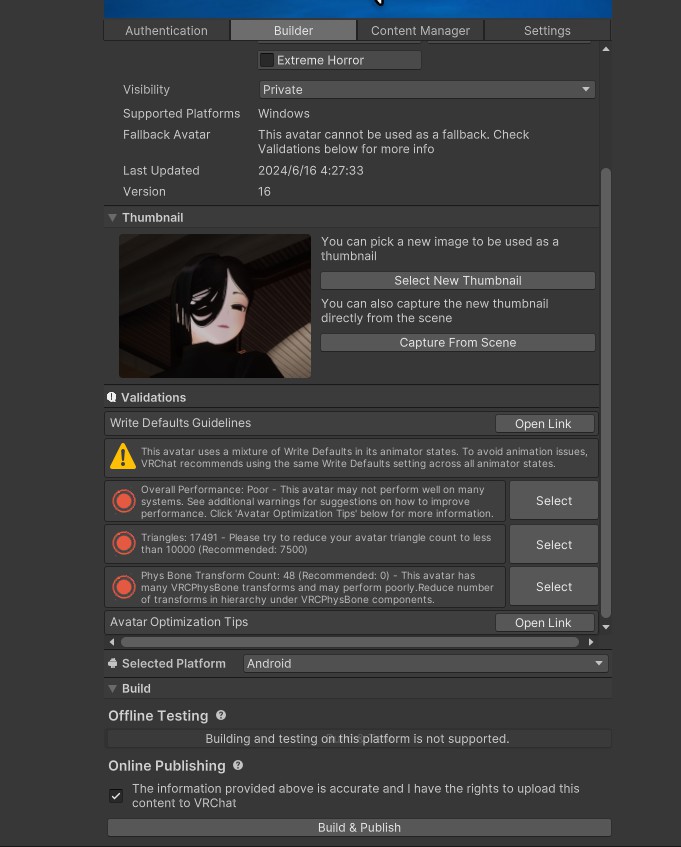
Overview: Executed a comprehensive optimization pipeline for both a static environment and a dynamic avatar, ensuring “Good/Excellent” performance ranks on Android platforms while maintaining visual fidelity on PC.
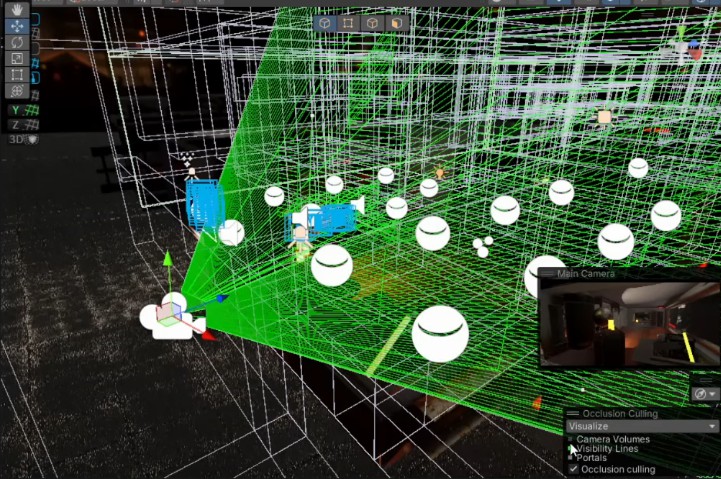
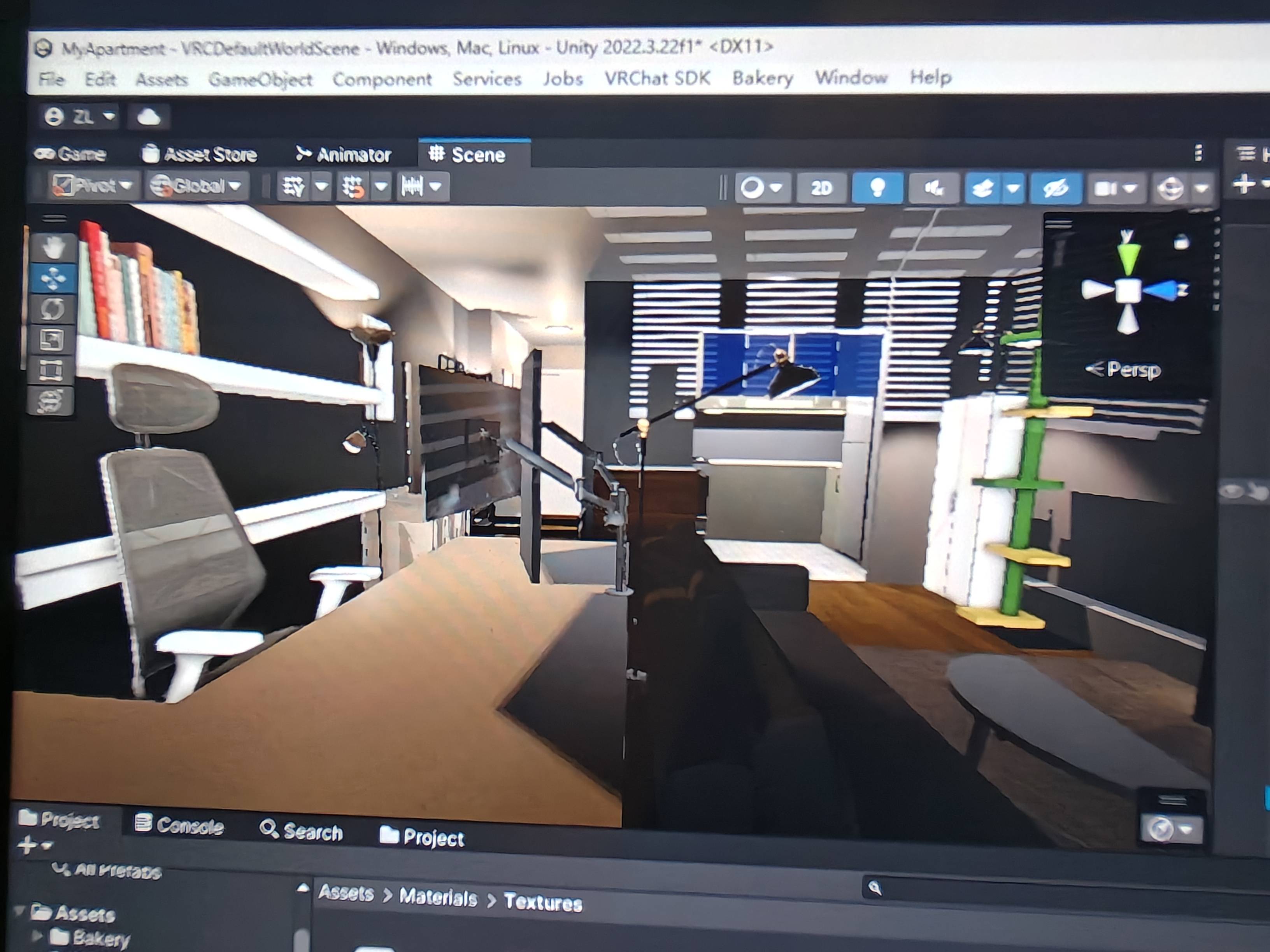
Environment: Baked Lighting & Culling Strategy Constructed layouts and executed a full Static Lighting Pipeline to accommodate mobile hardware limitations.
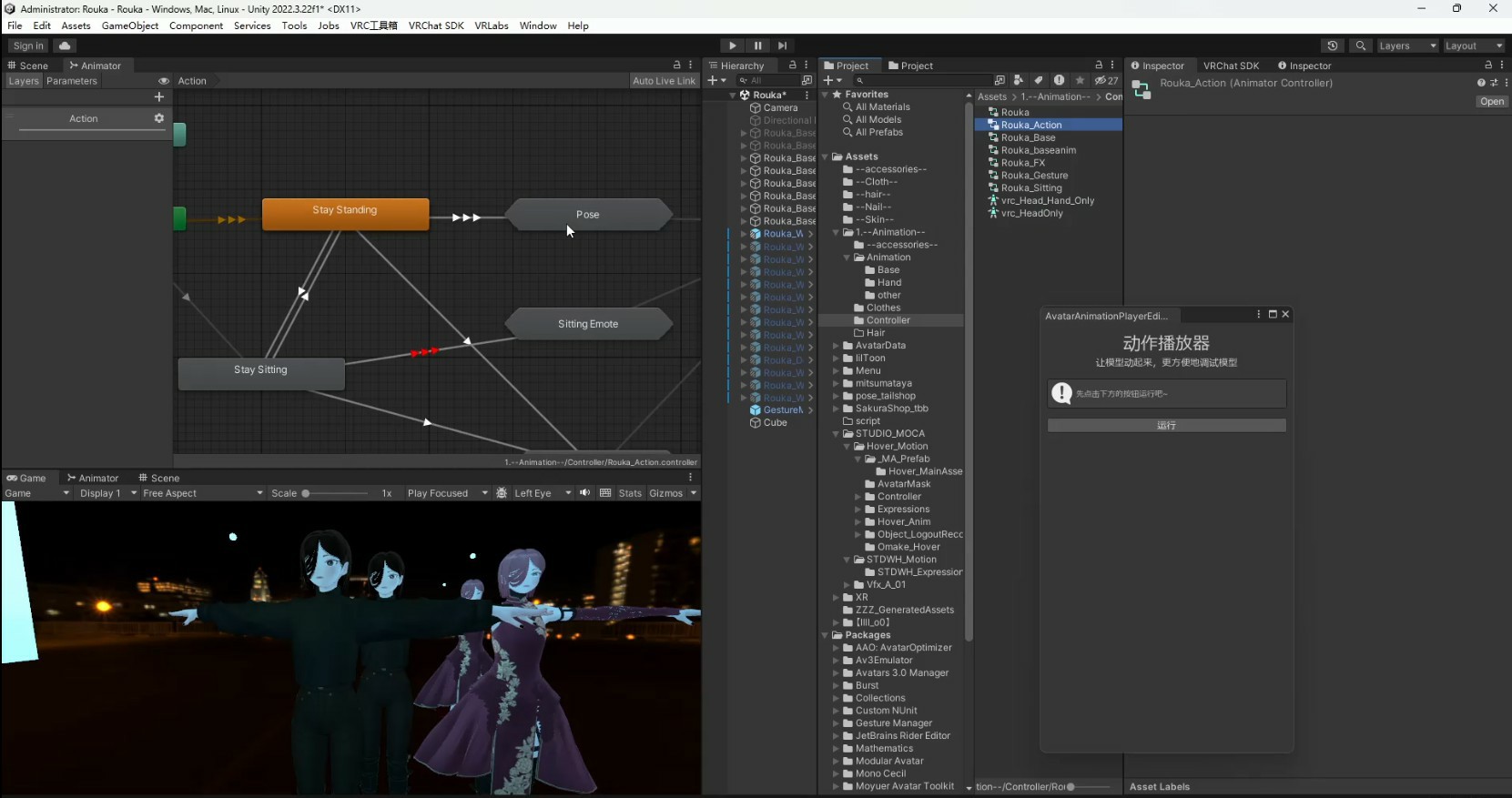
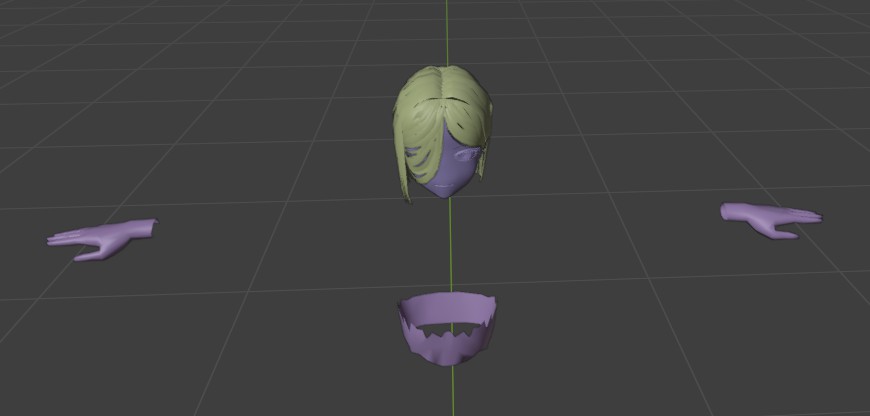
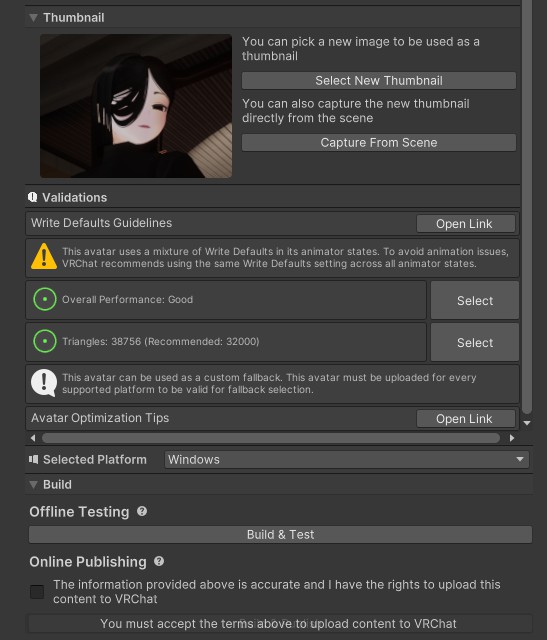
Character System: Mesh Optimization & State Machine Integrated and optimized character assets to meet strictly limited polygon budgets.
Context: A Farewell in 3 Days As I prepared to depart from Montreal—my home for many years—I decided to preserve my living space digitally. This project was executed as a rapid 3-day sprint (72 hours), demonstrating my ability to deliver high-fidelity environments under tight time constraints.
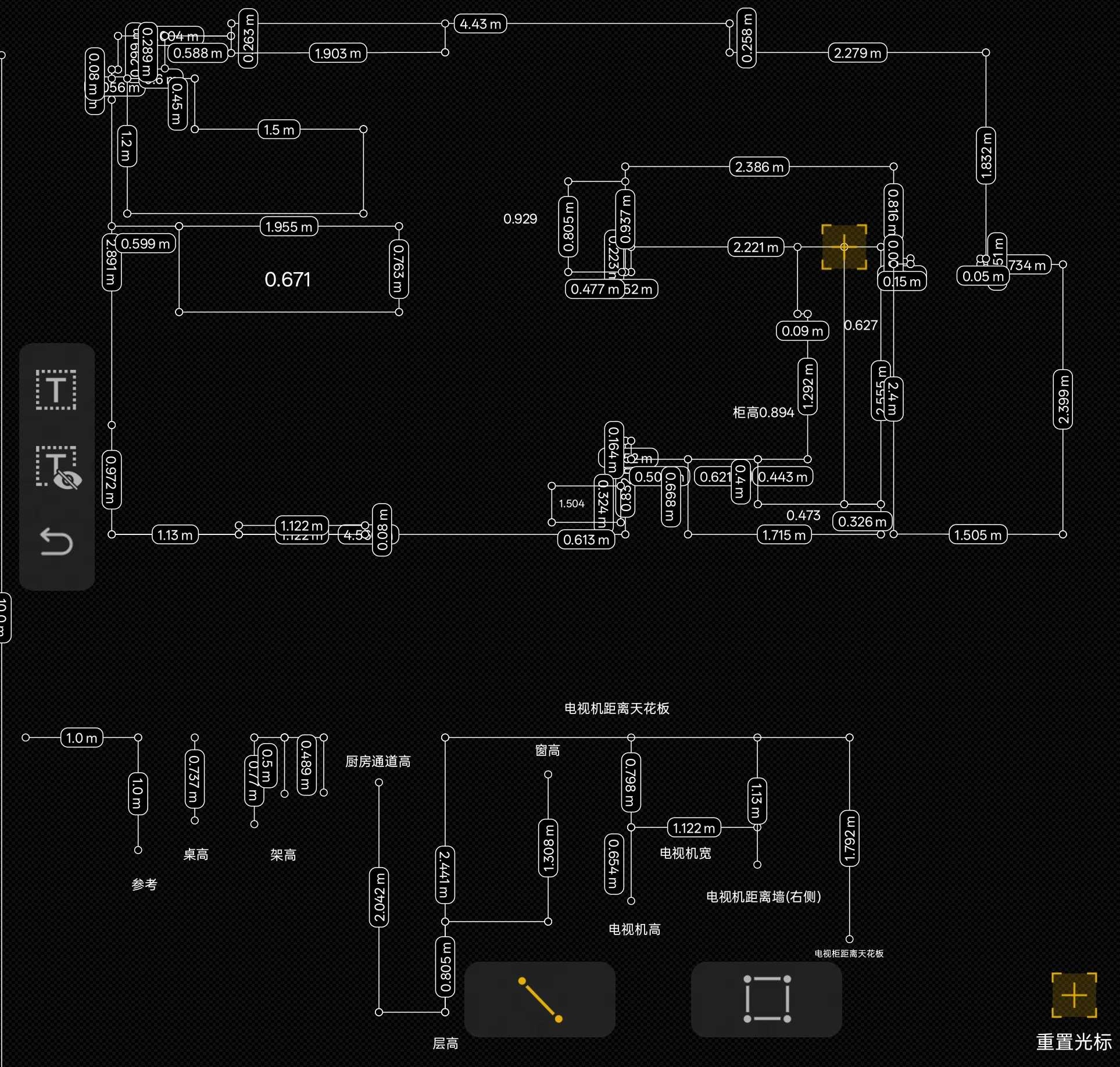
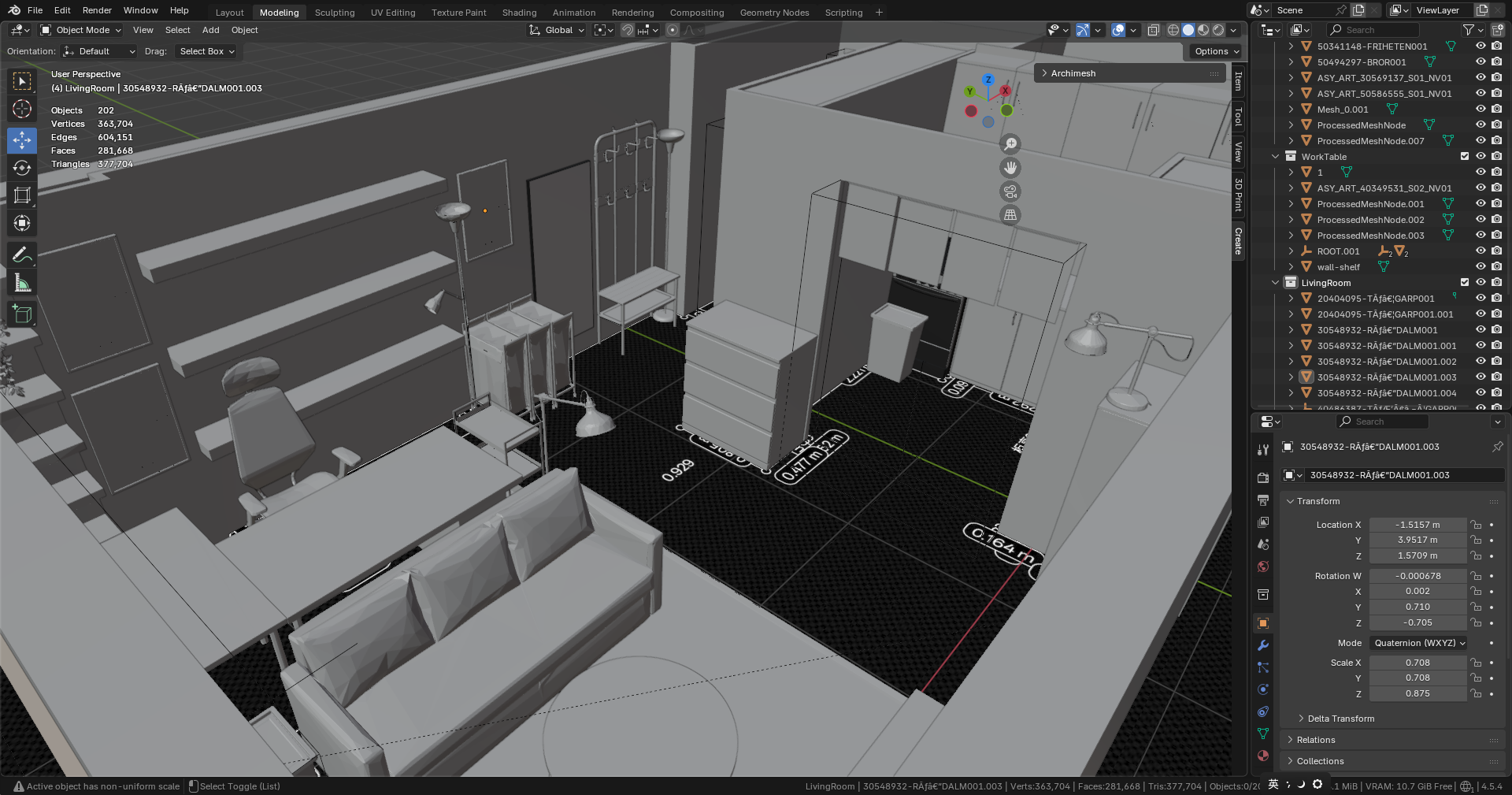
Workflow: Blender to Unity Pipeline Unlike previous projects utilizing in-engine blockouts, this environment was modeled entirely in Blender to ensure precise architectural dimensions.
No video available.